Chicken Korma (Curry House Style)
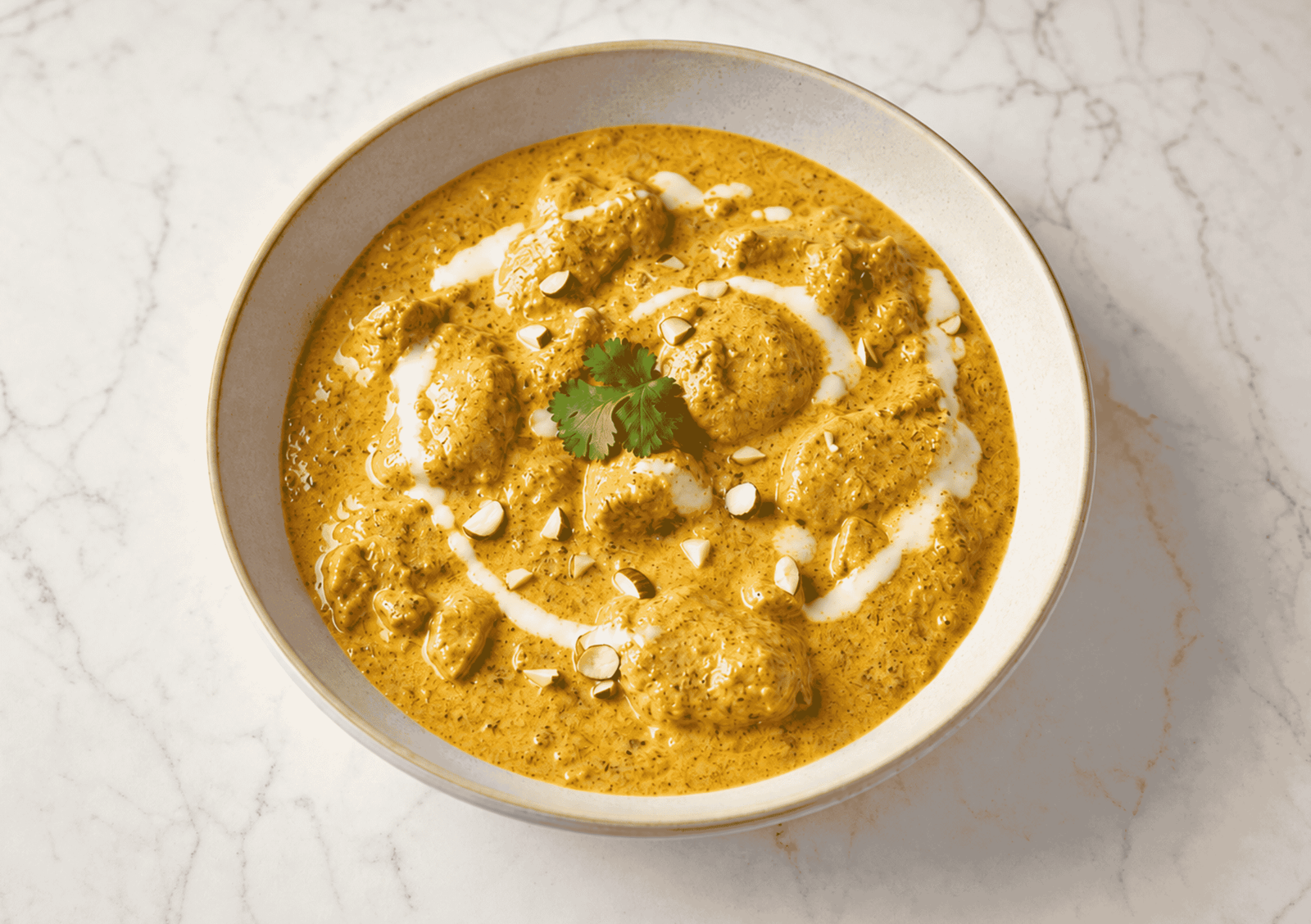
Curry house chicken korma is a mild, creamy curry made with tender pre-cooked chicken, base curry sauce, ground almonds, coconut and double cream. It has a smooth consistency, gentle aromatic warmth and a measured sweetness rather than noticeable chilli heat.
This version serves four and follows the preparation system used throughout Curry House Recipes. The base sauce and chicken are cooked in advance, allowing the finished curry to come together quickly in one pan. Ground almonds give the sauce body, while creamed coconut and cream provide its familiar richness.
Korma should still taste balanced. Sugar is included, but it should not dominate the coconut, cardamom and almond. Add the full amount only if it suits your preference, then use salt and a restrained amount of rosewater to sharpen the final flavour.
What Is Curry House Chicken Korma?
The curry house korma is a restaurant style curry developed for diners who prefer mild, creamy sauces. It is distinct from the many regional South Asian dishes called qorma or korma, which can use browned onions, yoghurt, nuts, whole spices and slow cooked meat without producing the sweet coconut sauce familiar in curry houses.
In a curry house kitchen, the sauce can be prepared quickly because its main components have already been cooked. Thin base curry sauce supplies the onion and vegetable foundation, while pre-cooked chicken only needs reheating. Almonds, coconut and cream are added in the pan to create the finished character.
The result should be pale golden, thick enough to coat the chicken and easy to spoon over rice. Whole cardamom and cinnamon provide background aroma, but the curry should not taste heavily spiced.
Why Does This Korma Use Base Curry Sauce?
Base curry sauce contains slowly cooked and blended onions, vegetables, tomato and mild spices. It replaces the long onion cooking stage that would otherwise be required for each curry. Because it is thin, it can be added to a hot pan in stages and reduced to the required consistency.
Use Curry House Base Sauce for this recipe rather than a jar of finished curry sauce. Warm it before cooking so each addition keeps the pan simmering. Cold base sauce drops the temperature, extends the cooking time and makes reduction less predictable.
The sauce may separate slightly while stored. Stir it thoroughly before measuring. If it has become thick in the refrigerator, dilute it with a little hot water until it pours easily.
Why Use Pre-Cooked Chicken?
Pre-cooked chicken makes the cooking time reliable and prevents the korma sauce from becoming over reduced while raw meat cooks. The chicken has already absorbed mild seasoning and can be heated through during the final simmer.
Chicken breast gives the familiar lean curry house result, while chicken thigh remains slightly juicier. Either can be used provided the pieces are fully cooked, stored safely and cut into sizes that will reheat evenly.
Chicken tikka can also be added for a lightly charred variation. Its marinade and grilled edges introduce a stronger flavour, so the finished curry will differ from the softer, plainer chicken korma served by many curry houses.
What Makes the Korma Sauce Creamy?
Several ingredients contribute to the consistency rather than relying on cream alone. Ground almonds thicken the base sauce and give it a soft nutty flavour. Coconut milk powder disperses through the sauce, while creamed coconut melts and adds both richness and body.
Double cream is added near the end. It rounds out the sauce and softens the spice aroma, but it should not be boiled aggressively. Once the cream enters the pan, lower the heat and maintain a gentle simmer.
This combination creates a smoother result than adding a large amount of cream to thin sauce. It also helps the korma cling to the chicken instead of running across the plate.
How Sweet Should Chicken Korma Be?
Sweetness varies considerably between curry houses. Some versions are distinctly sweet, while others use just enough sugar to soften the tomato and spice notes in the base sauce. This recipe starts with a moderate amount and allows further adjustment before serving.
Taste the sauce after the creamed coconut and cream have been added. Both ingredients have their own mild sweetness, so judging the curry before that point can lead to too much sugar. Add any extra a small pinch at a time.
Salt is equally important. A korma that tastes flat may need salt rather than more sugar or cream. Rosewater can bring a light floral aroma, but even a small excess can overpower the entire pan.
How to Make Curry House Chicken Korma
Warm the base sauce and have every ingredient measured before heating the pan. Once the whole spices become fragrant, the remaining stages move quickly. Keep the heat high enough to reduce the base sauce at first, then lower it before adding the cream. See the recipe card at the bottom for exact quantities and printable directions
Ingredients You Will Need
- Ghee
- Cinnamon stick
- Green cardamom pods
- Garlic and Ginger Paste
- Ground almonds
- Coconut milk powder
- Caster sugar
- Curry House Base Sauce
- Pre-Cooked Chicken
- Creamed coconut
- Double cream
- Rosewater, optional
- Garam masala
- Fine salt
Cooking Instructions
Step 1: Warm the base sauce. Heat the base curry sauce in a separate saucepan until it is steaming and maintains a gentle simmer. Keep it warm beside the main pan.
Step 2: Infuse the ghee. Melt the ghee in a wide frying pan over a medium heat. Add the cinnamon and cracked cardamom pods, then fry briefly until fragrant without allowing the spices to darken.
Step 3: Cook the garlic and ginger. Add the garlic and ginger paste. Stir continuously until the raw aroma softens and the paste begins to sizzle in the ghee.
Step 4: Add the dry ingredients. Stir in the ground almonds, coconut milk powder and most of the sugar. Cook very briefly so they absorb the spiced ghee, taking care not to let the almond catch.
Step 5: Build the sauce. Add the first portion of hot base sauce and stir until smooth. Allow it to bubble and reduce, then add the remaining sauce in stages until the almond and coconut are evenly incorporated.
Step 6: Heat the chicken. Add the pre-cooked chicken and fold it through the sauce. Stir in the creamed coconut and simmer gently until it has completely melted and the chicken is piping hot throughout.
Step 7: Finish with cream. Reduce the heat to low and stir in the double cream. Simmer gently until the sauce is smooth and coats the chicken, adding a little more hot base sauce if it becomes too thick.
Step 8: Balance and serve. Add the garam masala and optional rosewater. Taste, then adjust the salt and remaining sugar. Remove the whole cinnamon and cardamom pods where possible before serving.
Should the Whole Spices Be Removed?
The cinnamon stick and cardamom pods are used to perfume the ghee, but they are not intended to be eaten. You can remove them immediately after infusing the ghee, which gives a milder aroma and makes serving easier.
For a slightly stronger spice note, leave them in while the sauce cooks and remove them before plating. Cracking the cardamom pods is enough to release their aroma. Crushing them into fragments makes them difficult to find later.
If a pod remains in the finished curry, tell diners that whole spices may be present. Biting directly into green cardamom is much more intense than tasting the aroma it contributes to the sauce.
Can I Make Chicken Korma Without Pre-Cooked Chicken?
You can cook the chicken separately immediately before making the curry. Cut boneless chicken breast or thigh into even pieces and gently cook it in a covered pan with a small amount of water and a little salt. Once fully cooked, add the chicken and any mild cooking liquid during the korma’s reheating stage.
Do not add raw chicken at the end and assume the brief curry house simmer will cook it safely. Cooking raw chicken directly in the sauce requires a longer method and more liquid, which changes the balance of this recipe.
If you prefer a from scratch one pan korma, use a recipe developed specifically for raw chicken rather than adapting the timings in this curry house version.
Why Is My Korma Sauce Grainy?
Ground almonds naturally give the sauce a little texture, but it should not feel dry or clumped. Graininess often occurs when the almond is fried for too long before liquid is added, or when the base sauce is poured in too quickly without stirring.
Add the first portion of hot base sauce as soon as the almond mixture has absorbed the ghee. Stir firmly around the entire pan until smooth, then add the rest gradually. Finely ground almonds produce a softer sauce than coarse almond meal.
If the sauce remains coarser than preferred, pass the base sauce through a fine sieve before cooking and use finely milled coconut milk powder. Blending the completed curry is not suitable once the chicken has been added.
Why Did the Cream Separate?
Cream can separate when added to a violently boiling sauce or when the pan contains too little liquid. Reduce the heat first and stir the cream in gradually. The sauce should simmer gently rather than boil hard after this point.
If the korma looks oily, remove it from the heat and stir in a small amount of hot base sauce. This can help bring the sauce back together. Do not add cold water, as the sudden temperature change can make the appearance worse.
Separation is less likely with double cream than lower fat alternatives. If using a dairy free cream, choose one intended for cooking and follow its heating instructions.
Variations and Substitutions
- Replace the pre-cooked chicken with chicken tikka for a more pronounced grilled flavour.
- Use pre-cooked lamb, king prawns, fried paneer or pre-cooked or lightly steamed mixed vegetables while keeping the sauce method unchanged
- Substitute finely blended cashew paste for the ground almonds. The sauce will be smoother and slightly richer.
- Use coconut milk powder rather than desiccated coconut, which remains fibrous and changes the texture.
- Omit the rosewater if you do not enjoy floral flavours. There is no need to replace it.
- Use a plant based cooking cream and neutral oil for a dairy free sauce, checking that the prepared chicken or chosen alternative meets your needs.
- Reduce the sugar for a more savoury korma, but taste only after adding the coconut and cream.
Cooking Tips
- Heat the base sauce before starting the curry.
- Measure every ingredient in advance because the first stages move quickly.
- Crack the cardamom pods without crushing them into small pieces.
- Keep the ground almonds moving and add liquid before they begin to brown.
- Add the base sauce in stages so each portion can reduce and combine smoothly.
- Use finely ground almonds rather than coarse almond meal.
- Make sweetness adjustments only after the coconut and cream are incorporated.
- Keep the heat low after adding double cream.
- Use rosewater sparingly and taste before adding more.
- Remove whole spices before serving whenever possible.
What to Serve with Chicken Korma
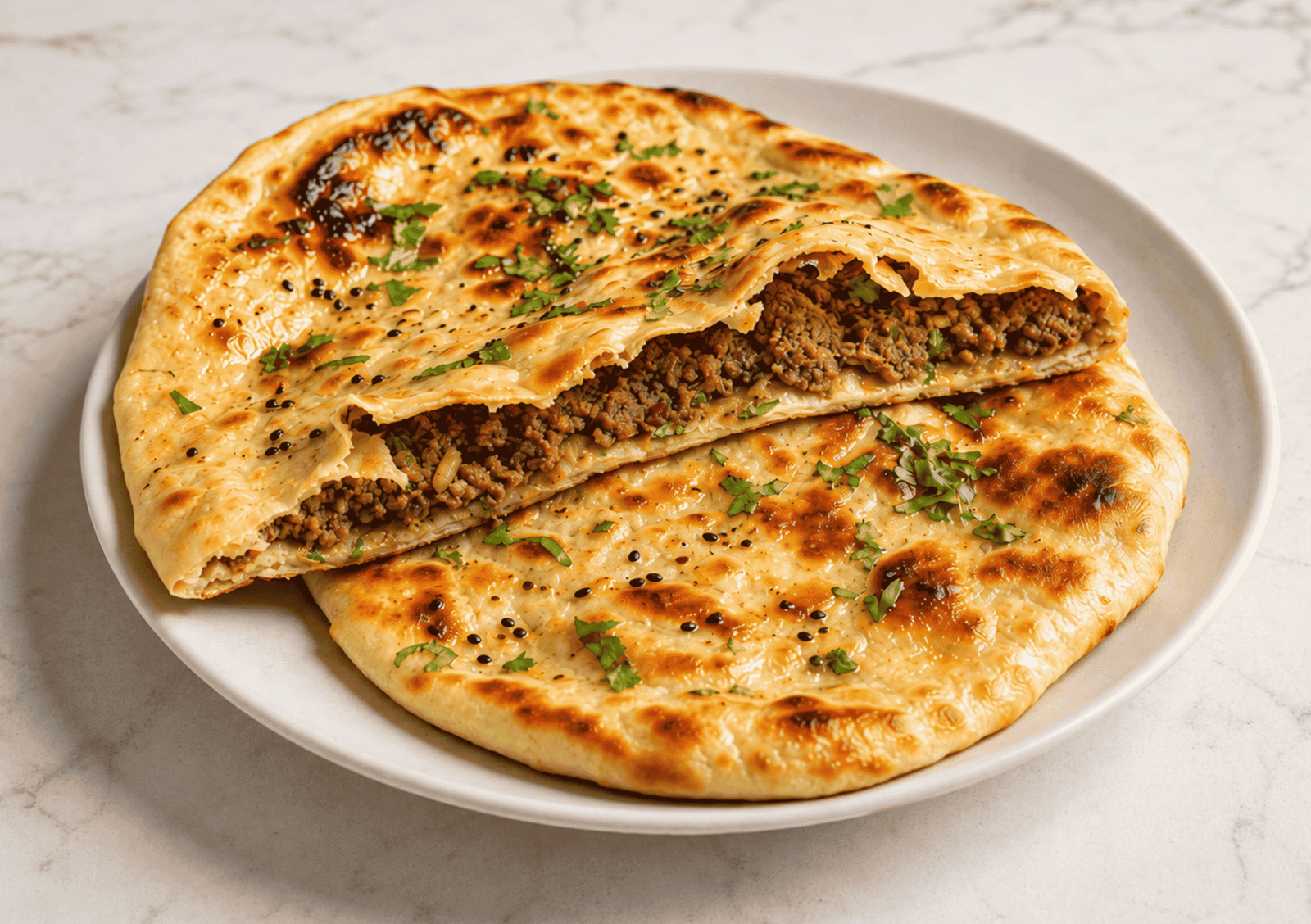
Chicken korma pairs well with curry house pilau rice or perfect white basmati rice. The mild sauce also works well with naan, chapati or homemade paratha.
For contrast, serve a sharper side such as red onion chutney or coriander and mint chutney. Cucumber raita is useful when the meal also includes hotter curries.
When cooking for a group, place korma alongside a hotter chicken Madras or lamb vindaloo so diners can choose between mild and spicy sauces.
How to Store, Freeze and Reheat Chicken Korma
Cool leftover korma promptly and refrigerate it in a covered container within two hours. Eat it within two days. Cream based sauces thicken when chilled, so expect to loosen the curry during reheating.
Freeze cooled portions in airtight containers for up to three months. Defrost them fully in the refrigerator and use within 24 hours. The sauce may appear slightly separated after thawing, but gentle reheating and regular stirring usually bring it back together.
Reheat chicken korma only once. Warm it over a low heat, stirring frequently and adding a small amount of water or base sauce as needed, until the chicken and sauce are steaming hot throughout. Avoid rapid boiling because it can tighten the chicken and split the cream.

Curry House Chicken Korma
Ingredients
- 3 tablespoons ghee
- 1 cinnamon stick approximately 5cm long
- 6 green cardamom pods lightly cracked
- 1½ tablespoons Garlic and Ginger Paste
- 50 g finely ground almonds
- 25 g coconut milk powder
- 25 g caster sugar divided and adjusted to taste
- 600 ml heated Curry House Base Sauce plus extra if needed
- 600 g Pre-Cooked Chicken with any mild cooking liquid drained and reserved
- 80 g creamed coconut finely chopped
- 120 ml double cream plus a little extra to garnish if wanted
- ½ teaspoon rosewater optional
- 1 teaspoon garam masala
- ½ teaspoon fine salt plus more to taste
Instructions
- Heat the base curry sauce in a separate saucepan until steaming, then keep it at a gentle simmer over low heat.
- Melt the ghee in a wide frying pan over a medium heat. Add the cinnamon and cracked cardamom pods. Fry for 30 to 40 seconds until fragrant.
- Add the garlic and ginger paste. Stir continuously for 30 seconds, without allowing it to brown.
- Add the ground almonds, coconut milk powder and 20g of the caster sugar. Stir for 15 to 20 seconds so the dry ingredients absorb the ghee.
- Pour in 200ml hot base sauce and stir firmly until smooth. Increase the heat to medium high and simmer for 2 minutes, then add the remaining sauce in two additions, allowing it to return to a simmer each time.
- Add the pre-cooked chicken and stir to coat. Add the creamed coconut and simmer for 5 to 7 minutes, stirring regularly, until it has melted and the chicken is steaming hot throughout.
- Reduce the heat to low. Stir in the double cream and simmer gently for 2 to 3 minutes. Add a little extra base sauce or reserved chicken cooking liquid if the sauce becomes too thick.
- Stir in the garam masala, salt and optional rosewater. Taste and add the remaining sugar only if needed. Remove the whole spices where possible and serve with an optional swirl of cream.