Curry House Mixed Vegetable Bhaji
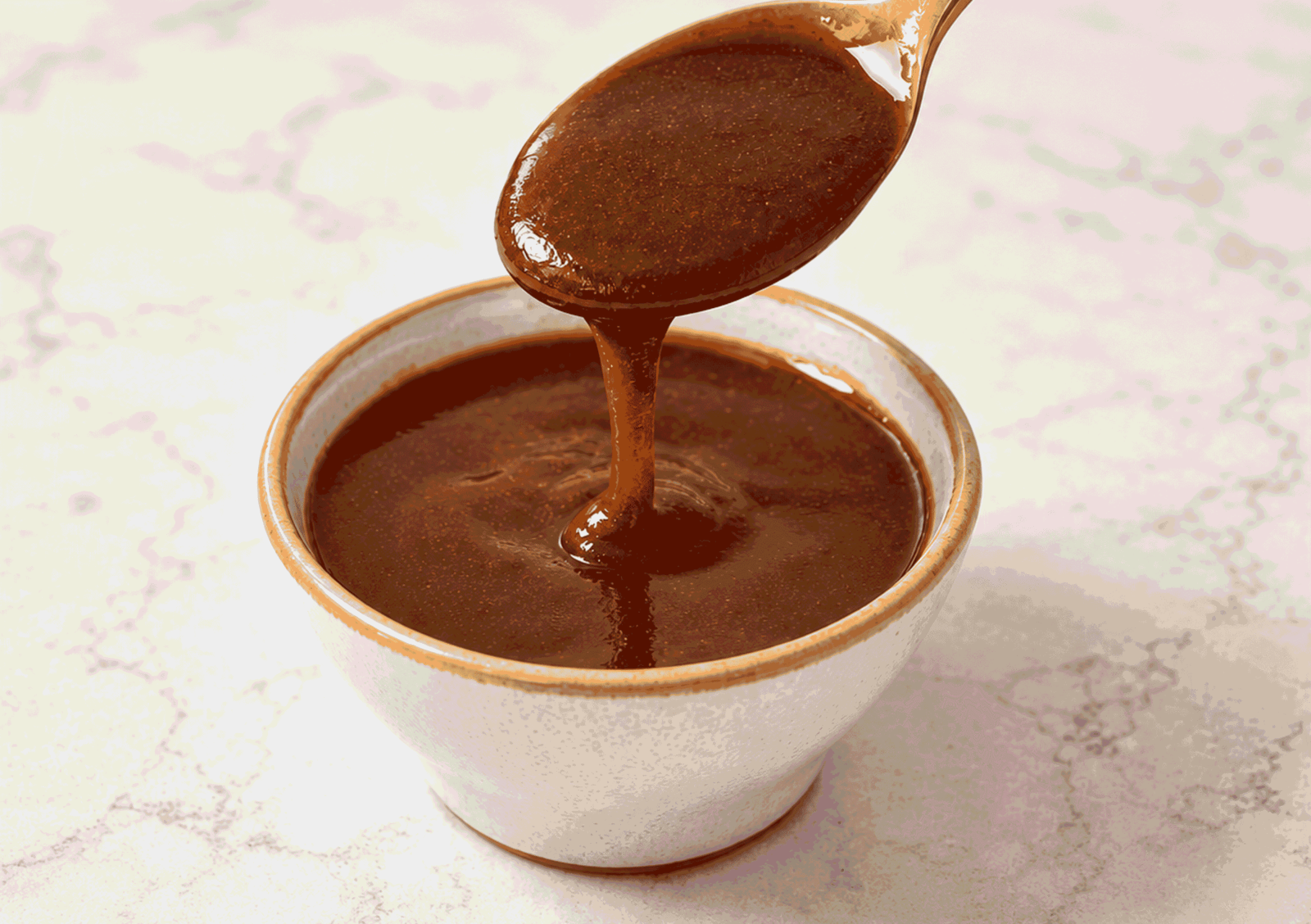
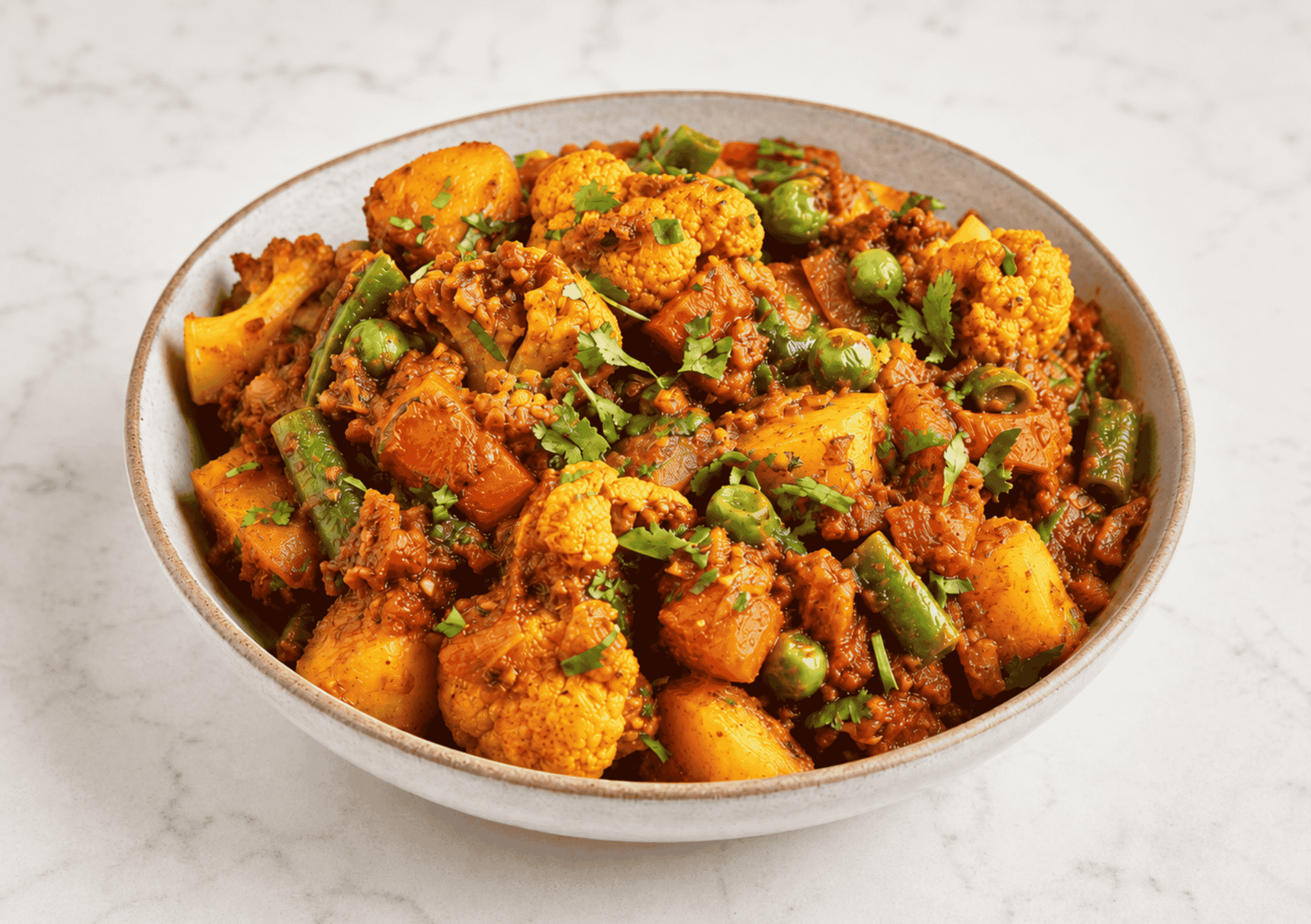
This curry house mixed vegetable bhaji combines potato, cauliflower, carrot, green beans and peas in a thick, well reduced masala. The vegetables remain distinct, while a small amount of curry house base sauce brings everything together without turning the dish into a loose vegetable curry.
It works well as a side dish alongside a curry, rice and naan, but the portion is generous enough to serve as a light vegetarian main. The recipe is naturally vegan when the prepared ingredients are made with vegetable oil.
What Is Mixed Vegetable Bhaji?
In this context, mixed vegetable bhaji is a British Indian Restaurant style vegetable side dish. The word bhaji can refer to different foods across South Asia and on British menus. Here, it does not mean a battered onion fritter. It describes vegetables cooked with aromatics and spices until the masala clings to them.
There is no compulsory vegetable combination. Curry houses can adapt the dish to the produce they have available, although potato, cauliflower, carrot, green beans and peas make a dependable mixture. The important features are varied texture, balanced seasoning and a sauce that has reduced sufficiently to coat the vegetables.
Is This the Same as Onion Bhaji?
No. Onion bhajis are formed from sliced onion and a seasoned gram flour batter before being fried. Mixed vegetable bhaji is cooked in a pan and served as a vegetable curry or side dish. The shared name can be confusing, but the preparation and finished texture are completely different.
Which Vegetables Work Best?
Choose vegetables that retain some structure after cooking. Potato gives the dish substance, cauliflower holds the masala well, carrot adds mild sweetness, and green beans provide a firmer bite. Peas are added near the end because they need very little cooking.
Cut the vegetables into evenly sized pieces so they become tender at roughly the same time. Dense vegetables should be smaller than quick cooking ones. Avoid steaming them until completely soft because they will continue cooking in the masala.
Other suitable choices include broccoli, cabbage, mushrooms, peppers, courgette and spinach. Add mushrooms, courgette and spinach directly to the pan rather than steaming them with the firmer vegetables. Each releases water, so allow the pan to reduce before adding more base sauce.
Why Steam the Vegetables First?
Light steaming gives better control over a mixture containing vegetables with different cooking times. It allows the potato and carrot to soften without forcing the finished masala to simmer for so long that the cauliflower breaks apart.
The vegetables should be almost tender rather than fully cooked. A knife should enter the potato with slight resistance, and the cauliflower should still hold its shape. Let excess steam escape before the vegetables go into the pan, as trapped water can make the bhaji thin.
How to Make Curry House Mixed Vegetable Bhaji
Prepare and lightly steam the firm vegetables before starting the masala. Once the pan is hot, the recipe moves quickly, so have the base curry sauce warmed and the remaining ingredients measured. Add the sauce in two stages and let it reduce until it coats the vegetables. See the recipe card at the bottom for printable directions and exact quantities.
Ingredients
- Waxy potato
- Cauliflower
- Carrot
- Green beans
- Frozen peas
- Rapeseed oil
- Cumin seeds
- Onion
- Garlic and Ginger Paste
- Mixed Powder
- Kashmiri chilli powder
- Ground turmeric
- Tinned chopped tomatoes
- Curry House Base Sauce
- Dried fenugreek leaves
- Garam Masala
- Fine salt
- Fresh coriander
- Lemon juice, optional
Cooking Instructions
Step 1: Prepare the vegetables. Peel the potato and carrot, then cut them into small, even pieces. Divide the cauliflower into small florets and trim the green beans. Keep the peas frozen until they are needed.
Step 2: Lightly steam the firm vegetables. Steam the potato and carrot first, then add the cauliflower and green beans. Continue until everything is almost tender but still holds its shape. Transfer the vegetables to a plate so excess steam can escape.
Step 3: Cook the onion and cumin. Heat the rapeseed oil in a wide frying pan over a medium high heat. Add the cumin seeds and let them sizzle briefly, then add the onion. Cook until softened and lightly golden at the edges.
Step 4: Add the aromatics and ground spices. Stir in the Garlic and Ginger Paste and cook until its raw aroma softens. Add the Mixed Powder, Kashmiri chilli powder and turmeric. Stir briefly and do not let the spices catch on the bottom of the pan.
Step 5: Reduce the tomato masala. Add the chopped tomatoes and cook until they lose their raw smell and form a thick mixture. Pour in half of the warmed Curry House Base Sauce and simmer until it has reduced and the oil begins to show around the edges.
Step 6: Finish cooking the vegetables. Add the steamed vegetables and frozen peas, turning them carefully through the masala. Pour in the remaining base sauce and cook over a medium high heat until the vegetables are tender and the sauce clings to them.
Step 7: Add the finishing spices. Crush the dried fenugreek leaves between your fingers and stir them into the pan with the Garam Masala and salt. Cook for another minute or two, folding gently so the potato and cauliflower remain intact.
Step 8: Check and serve. Taste and adjust the salt. Stir through the fresh coriander and optional lemon juice, then remove the pan from the heat. Rest the bhaji briefly before serving so the sauce settles around the vegetables.
How Dry Should Vegetable Bhaji Be?
This version should be moist but not runny. The vegetables should have a visible coating of masala, with very little loose sauce collecting at the bottom of the serving bowl. A mixed vegetable curry usually contains more gravy, whereas a bhaji is commonly served as a drier side.
If the pan looks watery, increase the heat and cook uncovered for a few minutes, turning the vegetables carefully. If it becomes too dry before the vegetables are tender, add a small splash of hot base sauce or water. Add liquid gradually because it is easier to loosen the dish than reduce an excessive amount without overcooking the vegetables.
Can I Use Frozen Mixed Vegetables?
Frozen vegetables are convenient, but choose a mixture with reasonably large pieces and avoid one dominated by sweetcorn. Thaw the vegetables, drain them thoroughly and add them after the tomato masala has reduced. They do not need the initial steaming step and will normally cook in the sauce within several minutes.
For a more substantial bhaji, cook a diced potato separately and add it with the frozen mixture. Frozen vegetables release water readily, so add the base sauce gradually and keep the pan uncovered.
Variations and Substitutions
- Replace some of the potato with aubergine. Fry the aubergine separately until lightly coloured, then fold it into the bhaji near the end so it does not collapse.
- Add sliced mushrooms directly after the onion and cook until their released moisture has evaporated before adding the Garlic and Ginger Paste.
- Use broccoli instead of cauliflower, but steam it for less time and add it only when the potato and carrot are nearly ready.
- Leave out the Kashmiri chilli powder for a milder dish, or add a finely chopped green chilli with the Garlic and Ginger Paste for fresher heat.
- Use hot water in place of Curry House Base Sauce for a simpler vegetable side. The result will be lighter and less characteristic of curry house cooking, so add only enough water to finish cooking the vegetables.
Cooking Tips
- Warm the Curry House Base Sauce before adding it. Cold sauce lowers the pan temperature and slows the reduction.
- Use a wide pan so moisture can evaporate. A small saucepan crowds the vegetables and encourages them to steam in the masala.
- Keep the vegetables slightly undercooked after steaming. They need enough structure to survive stirring and their final few minutes in the sauce.
- Add the ground spices immediately before the tomatoes. Ground spices can turn bitter if left in hot oil for too long.
- Fold the vegetables with a broad spatula instead of stirring vigorously. This helps the potato and cauliflower retain their shape.
- Add salt cautiously if the base sauce is already seasoned. Taste near the end before adding more.
What to Serve with Mixed Vegetable Bhaji
Serve this bhaji as part of a curry house meal with Chicken Korma, Lamb Bhuna, Chicken Jalfrezi or Tarka Dhal. Pilau Rice, White Rice, chapati and naan all work well alongside it. Cucumber Raita or Coriander and Mint Chutney can provide a cool, fresh contrast when the rest of the meal is spicy.
For a vegetarian meal, pair it with Tarka Dhal and rice, then add a chutney or raita. The bhaji can also be served as the main vegetable filling for a chapati wrap, provided the sauce has been reduced thoroughly.
How to Store and Reheat
Allow leftovers to cool, then transfer them to a covered container and refrigerate promptly. Reheat in a frying pan over a medium heat with a small splash of water, turning the vegetables gently until piping hot throughout. A microwave can also be used, although the vegetables may soften further.
The bhaji can be frozen, but potato and cauliflower become softer after thawing. For the best texture, refrigerate and use it within a few days rather than freezing it. Reheat only the amount you intend to serve.

Curry House Mixed Vegetable Bhaji
Ingredients
- 200 g waxy potato peeled and cut into 2cm pieces
- 150 g cauliflower divided into small florets
- 100 g carrot peeled and cut into 1cm pieces
- 100 g green beans trimmed and cut into 3cm lengths
- 100 g frozen peas
- 30 ml rapeseed oil
- 1 teaspoon cumin seeds
- 1 small onion approximately 120g, finely chopped
- 20 g Garlic and Ginger Paste
- 1 tablespoon Mixed Powder
- 1/2 teaspoon Kashmiri chilli powder
- 1/4 teaspoon ground turmeric
- 100 g tinned chopped tomatoes
- 200 ml Curry House Base Sauce warmed
- 1 teaspoon dried fenugreek leaves
- 1/2 teaspoon Garam Masala
- 1/2 teaspoon fine salt or to taste
- 2 tablespoons finely chopped fresh coriander
- 1 teaspoon lemon juice optional
Instructions
- Put the potato and carrot in a steamer set over simmering water. Cover and steam for 7 minutes.
- Add the cauliflower and green beans. Cover and steam for another 5 minutes, or until the potato is almost tender and the cauliflower still holds its shape. Transfer everything to a plate and allow excess steam to escape.
- Heat the rapeseed oil in a wide frying pan over a medium high heat. Add the cumin seeds and fry for about 20 seconds, until fragrant.
- Add the onion and cook for 5 to 6 minutes, stirring regularly, until soft and lightly golden at the edges.
- Stir in the Garlic and Ginger Paste and cook for 45 seconds. Add the Mixed Powder, Kashmiri chilli powder and turmeric, then stir for about 20 seconds.
- Add the chopped tomatoes and cook for 3 to 4 minutes, stirring often, until thick. Pour in 100ml of the warmed Curry House Base Sauce and simmer for 2 to 3 minutes, until reduced.
- Add the steamed vegetables and frozen peas. Fold them through the masala, then add the remaining 100ml base sauce. Cook uncovered for 5 to 7 minutes, turning carefully, until the vegetables are tender and the sauce clings to them.
- Crush the dried fenugreek leaves between your fingers and add them with the Garam Masala and salt. Cook for 1 to 2 minutes, then stir through the coriander and optional lemon juice. Rest for 2 minutes before serving.
Notes
- Steam the vegetables only until nearly tender because they continue cooking in the masala.
- Add the base sauce in stages. You may not need every drop if the vegetables release more moisture than expected.
- For a milder bhaji, omit the Kashmiri chilli powder.
- To use frozen mixed vegetables, thaw and drain 550g vegetables, skip the steaming step and cook them directly in the reduced masala.
- This recipe is vegan when the prepared curry house ingredients are made with vegetable oil.