Curry House Tarka Dhal
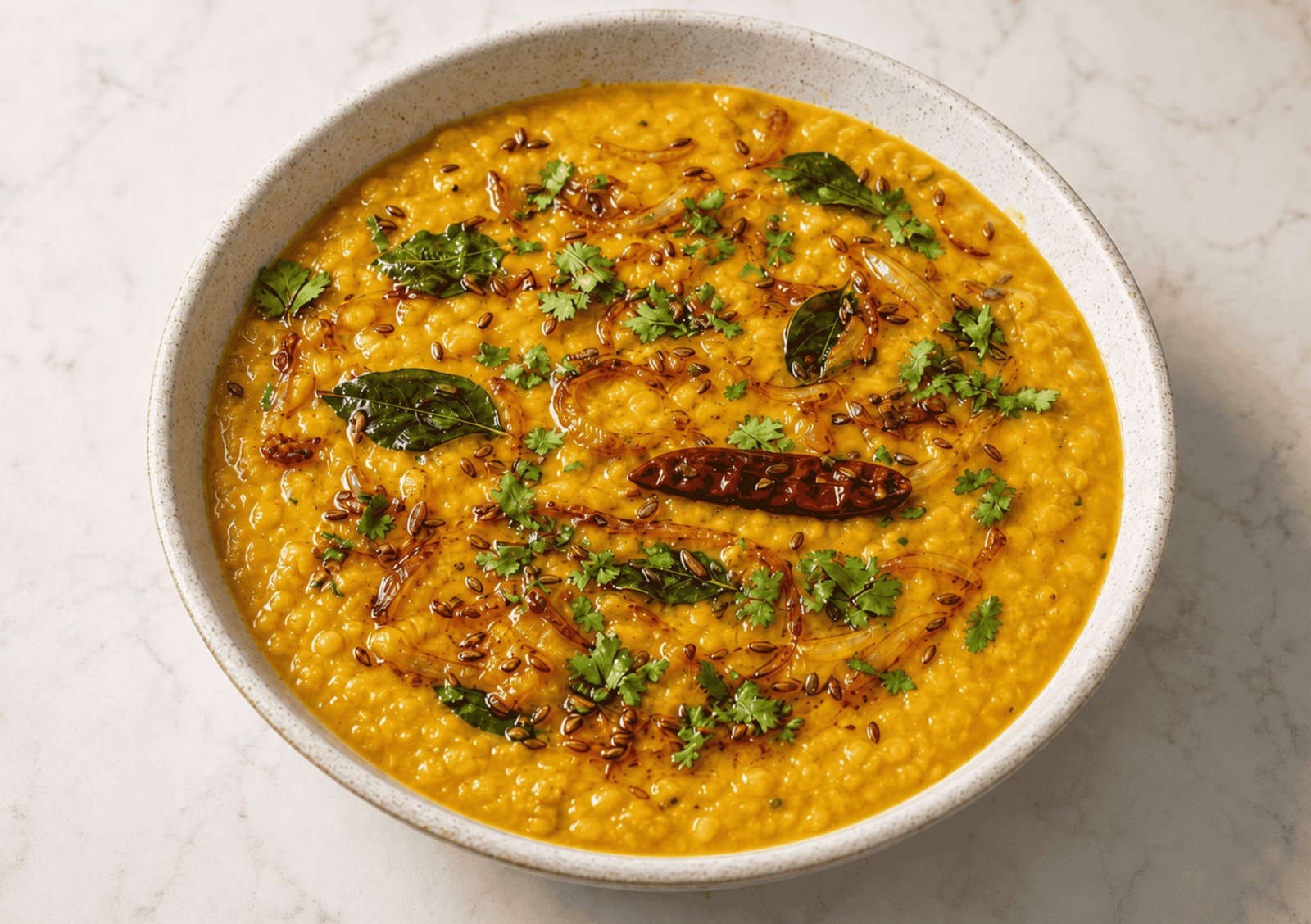
Tarka dhal is a comforting red lentil dish finished with hot ghee, cumin, curry leaves, onion and spices. The lentils cook until soft and creamy, while the freshly prepared tarka adds the savoury aroma associated with British curry house dhal.
This version is cooked entirely from scratch and serves four as a generous side dish. It can also form the centre of a vegetarian meal with rice, chapati and a vegetable curry.
What Is Tarka Dhal?
Tarka dhal consists of cooked lentils finished with a tempering of hot fat, aromatics and spices. The lentils provide the soft, creamy base, while the tarka supplies much of the dish’s fragrance and character.
The words tarka and tadka refer to the same basic technique. Spices and aromatics are briefly fried in ghee or oil, then stirred into or poured over the cooked lentils. The exact ingredients vary, but cumin, garlic, onion, chilli and curry leaves are common additions.
British curry house tarka dhal is usually mild enough to serve beside a hotter curry. It should taste savoury and well seasoned without being overwhelmed by chilli or a large quantity of ground spice.
Which Lentils Work Best for Tarka Dhal?
Red split lentils, also sold as masoor dal, are the most practical choice for this curry house version. They cook quickly, break down without blending and produce a naturally creamy consistency.
Rinse the lentils thoroughly before cooking. The first few changes of water will look cloudy because of loose starch and dust. Continue rinsing until the water becomes noticeably clearer, then drain well.
The lentils do not require soaking. A short soak can reduce the cooking time slightly, but it offers little advantage with split red lentils. Whole lentils and larger split pulses need different quantities of water and longer cooking, so they should not be substituted without adjusting the method.
What Makes the Tarka Important?
Boiled red lentils have a gentle flavour. The tarka introduces toasted cumin, curry leaves, browned onion, garlic, ginger and chilli through hot fat, allowing those flavours to spread across the finished dhal.
Temperature matters. The ghee should be hot enough for the cumin to sizzle promptly, but it should not be smoking. Burnt cumin, garlic or ground spices will make the entire dish bitter.
Most of the tarka is stirred through the lentils so the seasoning is distributed evenly. Reserving a little for the top gives the finished dhal visible onion, curry leaves and spiced ghee when it reaches the table.
How Thick Should Tarka Dhal Be?
The dhal should be thick enough to coat a spoon but loose enough to settle back into the pan after stirring. It will continue to thicken as it stands because the cooked lentils absorb more liquid while cooling.
Use freshly boiled water to adjust the consistency. Cold water lowers the temperature and interrupts the final simmer. Add a small amount at a time because an overly thin dhal takes longer to reduce and can lose its creamy body.
If the dhal will be prepared in advance, leave it slightly looser than you want to serve it. It will normally require another splash of hot water during reheating.
How to Make Curry House Tarka Dhal
Cook the rinsed red lentils until they have softened and begun to collapse. Prepare the tarka separately while the lentils simmer, then combine most of it with the dhal and reserve the remainder for the top. Keep freshly boiled water nearby so you can control the final consistency. See the recipe card at the bottom for exact quantities and printable directions
Ingredients You Will Need
- Red split lentils
- Water
- Ground turmeric
- Fine salt
- Ghee or rapeseed oil
- Cumin seeds
- Dried Kashmiri chilli, optional
- Fresh curry leaves
- Brown onion
- Garlic and Ginger Paste
- Tomato
- Curry House Mixed Powder
- Kashmiri chilli powder
- Homemade Garam Masala
- Fresh coriander
- Lemon juice, optional
Cooking Instructions
Step 1: Rinse the lentils. Put the red split lentils in a sieve and rinse them under cold running water, moving them with your fingers, until the water becomes noticeably clearer. Drain thoroughly.
Step 2: Begin cooking the dhal. Transfer the lentils to a medium saucepan and add the measured water and turmeric. Bring to the boil, skim away any foam, then reduce the heat to maintain a gentle simmer.
Step 3: Simmer until soft. Cook the lentils partially covered, stirring every few minutes so they do not settle and catch on the base. Add a little freshly boiled water if they become dry before they are completely tender. They should begin to collapse into a creamy dhal.
Step 4: Start the tarka. Heat the ghee in a frying pan over a medium heat. Add the cumin seeds, dried chilli and curry leaves. Let them sizzle briefly until fragrant, keeping your face and hands clear because fresh curry leaves can spit in hot fat.
Step 5: Brown the onion. Add the finely chopped onion and cook until soft and golden around the edges. Stir regularly and lower the heat if it begins to darken before it has softened.
Step 6: Add the aromatics and spices. Stir in the Garlic and Ginger Paste and cook until its raw aroma softens. Add the chopped tomato and cook until pulpy, then stir in the mixed powder and Kashmiri chilli powder. Keep everything moving so the spices do not scorch.
Step 7: Combine the dhal and tarka. Reserve a spoonful of the tarka for garnishing, then stir the remainder into the cooked lentils. Add the salt and garam masala. Simmer gently until the dhal is creamy, adding freshly boiled water as needed.
Step 8: Finish and serve. Taste and adjust the salt. Stir in lemon juice if the dhal needs more acidity, then spoon the reserved tarka over the top and finish with chopped coriander.
Why Is My Dhal Too Thick?
Red split lentils continue absorbing liquid after cooking, so a dhal that looked correct in the pan can become much thicker before it is served. Stir in freshly boiled water a little at a time and return it to a gentle simmer.
If the lentils caught on the bottom of the pan, do not scrape the burnt layer into the dhal. Transfer the unaffected dhal to a clean saucepan, adjust it with hot water and taste carefully for bitterness.
An unnecessarily fierce boil also causes rapid evaporation. Once the lentils reach boiling point, reduce the heat and let them simmer gently instead.
Can I Make Tarka Dhal Without Ghee?
Yes. Rapeseed oil or another neutral cooking oil produces a dairy-free dhal and still carries the cumin, curry leaves and aromatics effectively. Ghee adds a richer, nuttier finish, but the tempering technique matters more than using a very large quantity of fat.
Do not use extra virgin olive oil for the tarka. Its distinct flavour competes with the spices, and it is less suitable for the initial high temperature sizzling of cumin and curry leaves.
Can I Prepare Tarka Dhal in Advance?
The lentil base can be cooked earlier in the day and reheated gently with enough water to restore its creamy consistency. For the freshest aroma, prepare the tarka shortly before serving.
If you need to make the complete dish in advance, reserve part of the tarka separately. Reheat the dhal until steaming, loosen it with hot water and spoon the reserved tarka over the top immediately before serving.
Variations and Substitutions
For a milder dhal, omit both the dried chilli and Kashmiri chilli powder. The cumin, curry leaves and garam masala will still provide a rounded spice flavour.
Fresh garlic and ginger can replace the prepared paste. Use finely grated aromatics so they cook evenly and do not leave firm pieces in the finished dhal.
If fresh curry leaves are unavailable, leave them out. Dried curry leaves have a weaker aroma and an unpleasant texture when used in the same way, while bay leaves do not provide a comparable flavour.
A small amount of finely chopped fresh green chilli can replace the dried chilli. Add it with the onion for a softer heat or near the end of cooking for a fresher chilli flavour.
Moong dal can replace part of the red lentils, but it may take longer to soften. Chana dal requires substantially more cooking and will retain a firmer texture, so it is not a direct replacement in this recipe.
Cooking Tips
- Use a saucepan with room for the lentils to foam when they first reach the boil.
- Stir more frequently as the dhal thickens because softened lentils settle easily.
- Keep a kettle of freshly boiled water ready for consistency adjustments.
- Add fresh curry leaves carefully because their moisture can make hot ghee spit.
- Cook the onion until genuinely golden before adding wet ingredients. Pale onion gives the tarka less depth.
- Add the ground spices only after the tomato has softened so they have moisture to protect them from scorching.
- Reserve a small amount of tarka for the top rather than leaving all the seasoning on the surface.
- Judge the final thickness immediately before serving.
What to Serve with Tarka Dhal
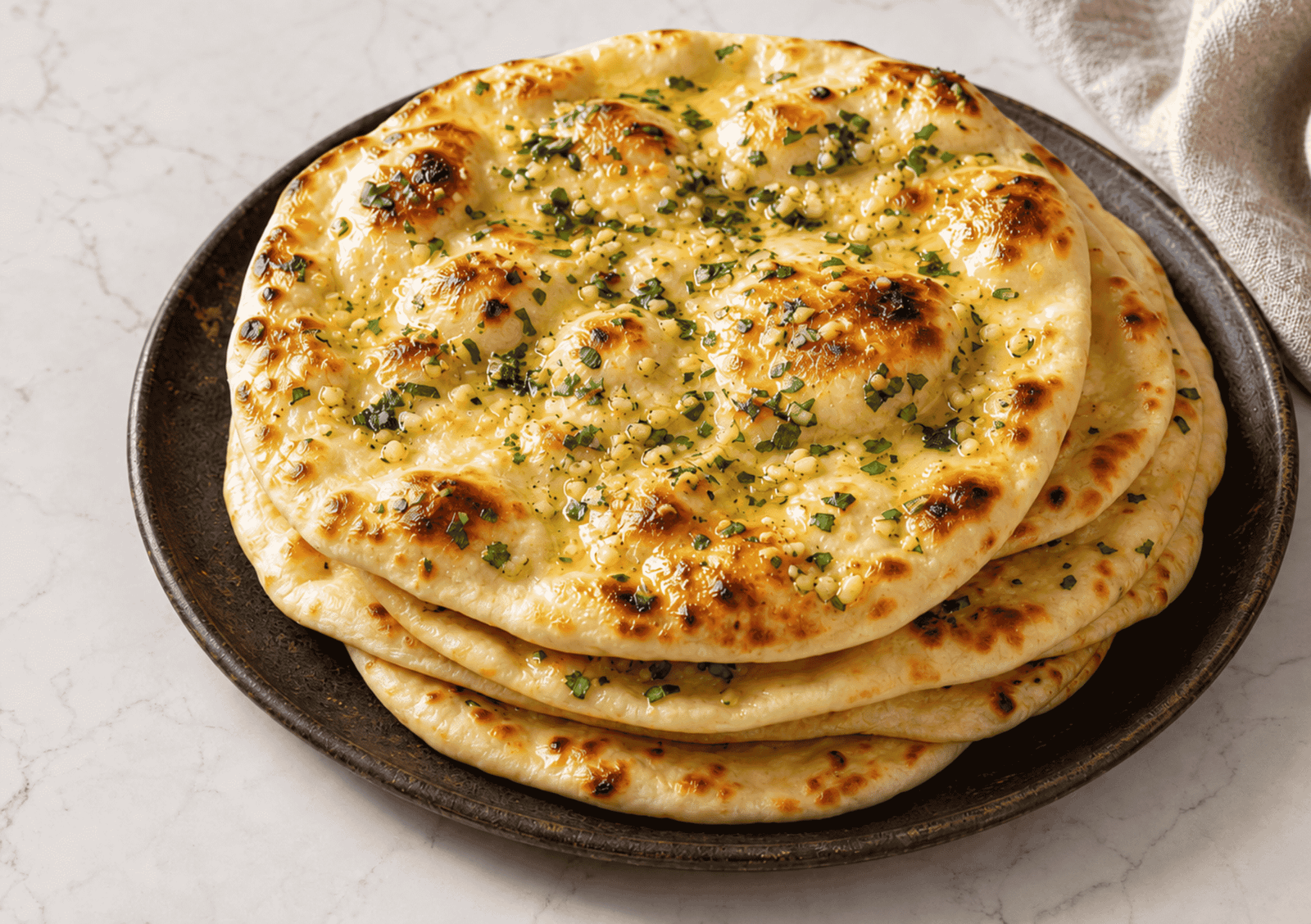
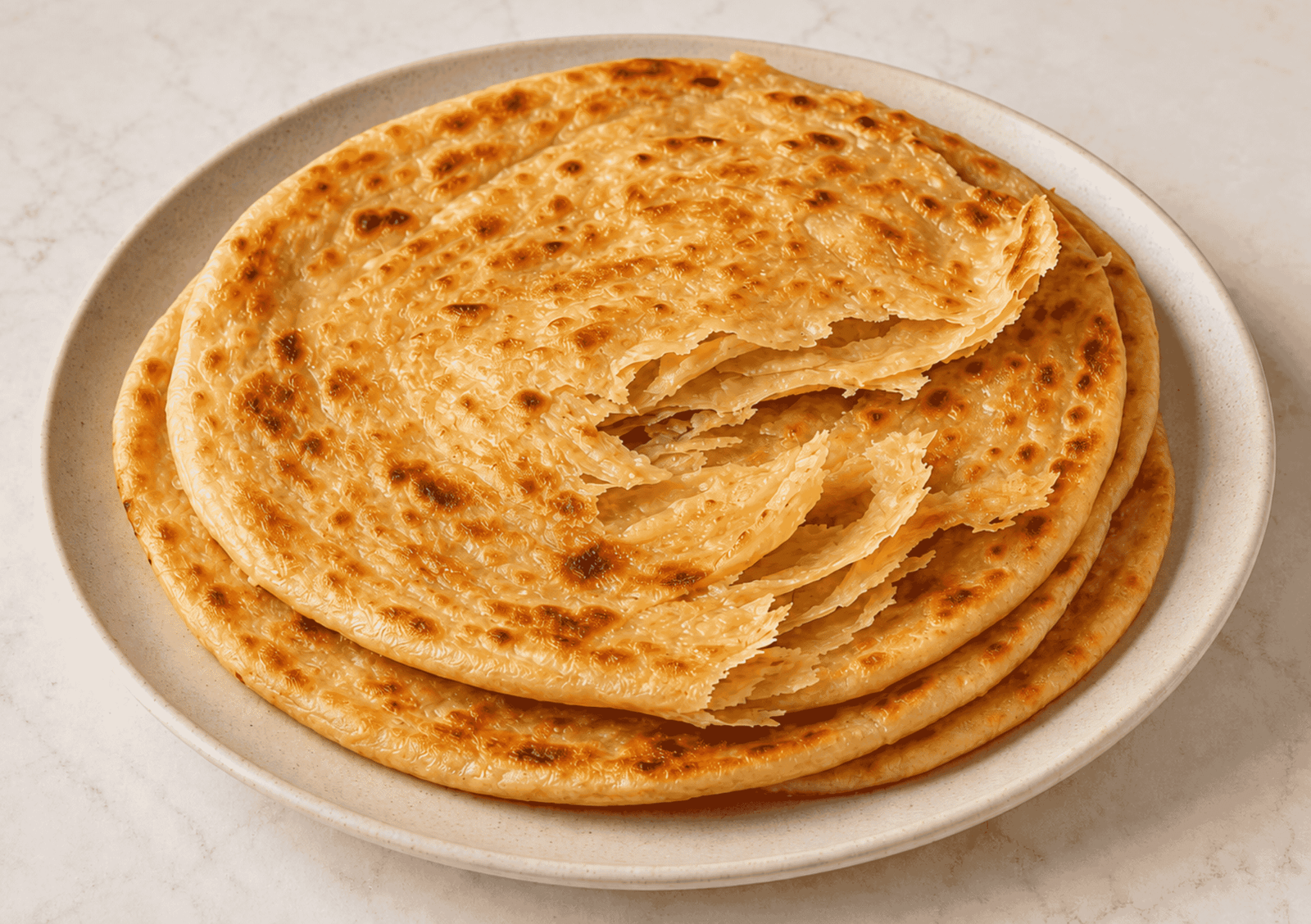
Serve tarka dhal with Pilau Rice or White Basmati Rice. Chapati and Stovetop Naan are useful for scooping up the soft lentils.
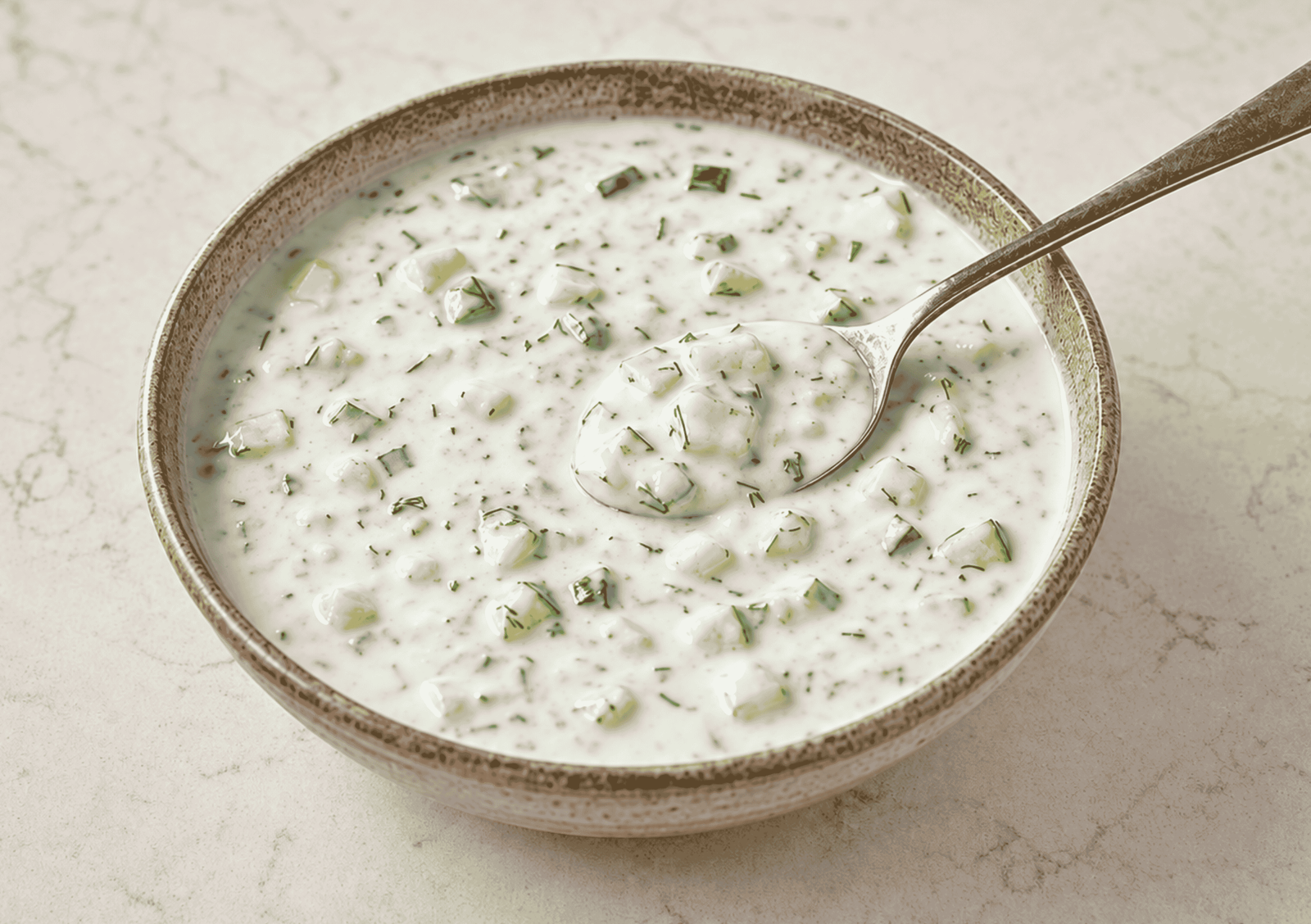
For a larger curry house meal, pair it with Chicken Tikka Masala, Bombay Potatoes and Cucumber Raita. The dhal can also be served as a vegetarian main course with rice, greens and chutney.
How to Store and Reheat Tarka Dhal
Cool leftover dhal promptly, transfer it to a covered container and refrigerate it within two hours. Eat it within two days. The dhal will become firmer while chilled.
Reheat it only once in a saucepan over a low to medium heat, adding enough water to restore the original consistency. Stir regularly until it is steaming throughout. A microwave can also be used, but pause to stir so the centre heats evenly.
Tarka dhal freezes well. Divide it into serving portions, cool completely and freeze in sealed containers for up to three months for the best quality. Defrost overnight in the fridge before reheating. Fresh coriander and a newly prepared spoonful of tarka can restore the finish after freezing.

Curry House Tarka Dhal
Ingredients
- 250 g red split lentils rinsed and drained
- 900 ml water plus 100ml to 250ml freshly boiled water if needed
- ½ teaspoon ground turmeric
- 1 teaspoon fine salt plus more to taste
- 40 g ghee or 40ml rapeseed oil
- 1 teaspoon cumin seeds
- 1 dried Kashmiri chilli torn in half, optional
- 8 fresh curry leaves
- 1 small brown onion approximately 120g, finely chopped
- 20 g Garlic and Ginger Paste
- 1 medium tomato approximately 100g, finely chopped
- 1 teaspoon Curry House Mixed Powder
- ¼ teaspoon Kashmiri chilli powder optional
- 1 teaspoon Homemade Garam Masala
- 2 tablespoons finely chopped fresh coriander
- 1 teaspoon fresh lemon juice optional
Instructions
- Rinse the lentils under cold running water until the water becomes noticeably clearer, then drain.
- Put the lentils, 900ml water and turmeric in a saucepan. Bring to the boil and skim away any foam.
- Reduce the heat and simmer partially covered for 25 to 30 minutes, stirring regularly, until the lentils are completely soft. Add freshly boiled water if they become dry.
- Meanwhile, heat the ghee in a frying pan over a medium heat. Add the cumin, dried chilli and curry leaves and fry for about 30 seconds until fragrant.
- Add the onion and cook for 7 to 9 minutes until soft and golden. Stir in the Garlic and Ginger Paste and cook for 1 minute.
- Add the tomato and cook for 3 to 4 minutes until pulpy. Stir in the mixed powder and Kashmiri chilli powder and cook for 30 seconds.
- Reserve one spoonful of the tarka. Stir the remainder into the cooked lentils with the salt and garam masala.
- Simmer for 3 to 5 minutes, adding freshly boiled water until the dhal coats a spoon but remains loose enough to settle in the pan.
- Taste and adjust the salt. Add the optional lemon juice, spoon over the reserved tarka and finish with chopped coriander.
Notes
- The dhal thickens as it stands, so keep a little freshly boiled water available before serving.
- Add fresh curry leaves carefully because they may spit when they touch the hot ghee.
- For a dairy-free version, use rapeseed oil.
- The dried chilli and Kashmiri chilli powder are optional.
- If making the dhal ahead, leave it slightly looser and reheat it gently with additional water.