Bombay Potatoes (Bombay Aloo)
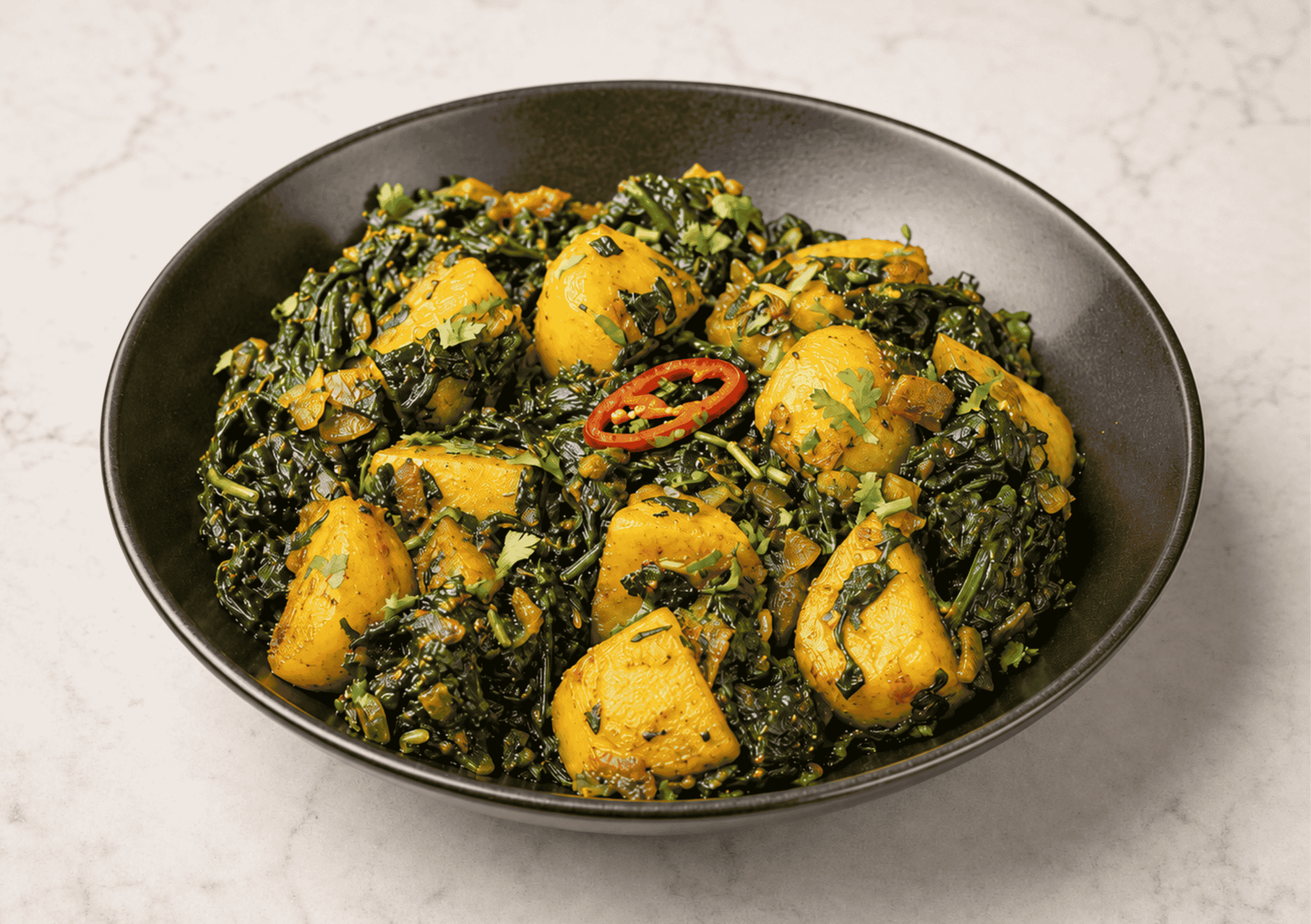
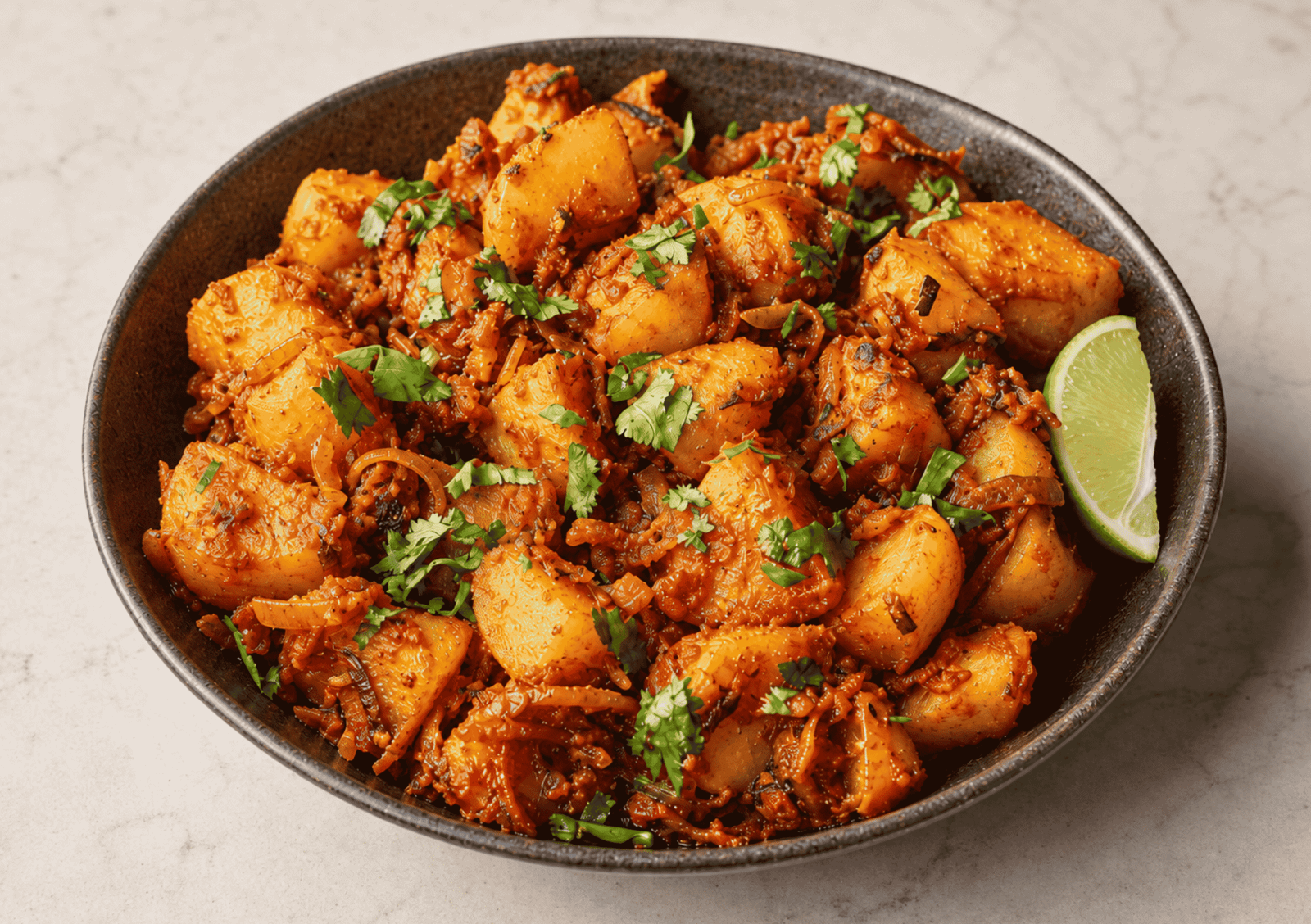
Bombay potatoes, also called Bombay aloo, are tender potatoes coated in a tomato based masala with mustard seeds, cumin, chilli and garam masala. They can be served as a vegetarian side dish or combined with rice, dhal and bread for a simple meal.
This version gives the potatoes lightly golden edges before they finish in the sauce. The masala is moist enough to coat every piece but reduced enough that it does not run across the plate. Tamarind and lime keep the tomato and potato from tasting heavy.
The recipe serves four and begins with raw potatoes, so it can be made without any advance preparation.
What Are Bombay Potatoes?
Bombay potatoes are a spiced potato dish widely found on British Indian Restaurant menus. Recipes vary from dry potatoes tossed with seeds and ground spices to softer versions cooked in an onion and tomato masala.
The name is well established on UK menus, although it does not point to one single preparation associated exclusively with Mumbai, formerly called Bombay. Bombay aloo is better understood as a broad restaurant and home cooking style rather than a recipe with one fixed ingredient list.
Mustard seeds, cumin, turmeric, chilli and coriander are common seasonings. Onion and tomato give the spices somewhere to settle, while fresh coriander and garam masala are added near the end to preserve their aroma.
Should Bombay Potatoes Be Dry or Saucy?
Both styles exist. A dry version has crisp or lightly fried potatoes with spices clinging directly to the surface. A saucier version includes onion, tomato and enough liquid to form a masala around each piece.
For Curry House Recipes, I prefer a moist coating rather than a loose gravy. The tomato should cook down until it clings to the potatoes, with only a small amount of sauce collecting between them. This texture works as a side dish and does not make rice or bread soggy.
If you want a drier result, cook uncovered for a few extra minutes after the potatoes are tender. For more sauce, add hot water in small amounts and stop reducing once the masala reaches the consistency you prefer.
Which Potatoes Work Best?
Small waxy or all-purpose potatoes hold their shape well after parboiling and pan frying. Baby potatoes and new potatoes are particularly convenient because they can be halved or quartered into even pieces.
Maris Piper potatoes produce a softer, fluffier interior and absorb the masala readily, but their edges break more easily. If using them, cut the pieces slightly larger and handle them gently after parboiling.
Aim for pieces about 3cm across. Uneven pieces cook at different rates, leaving some firm while others begin to collapse into the sauce. Peeling is optional when using thin skinned potatoes, but scrub them thoroughly if leaving the skins on.
Do You Need to Pre-Cook the Potatoes?
Parboiling shortens the final cooking time and ensures the centres become tender before the spices or tomato catch. The potatoes should be only just penetrable with the tip of a knife, not completely soft, when they are drained.
Allow them to steam dry for several minutes. A dry surface browns more effectively and reduces spitting when the potatoes enter the oil. Pan frying then creates lightly golden edges that stand up better to the moist masala.
If using the Curry House Recipes pre-cooked potatoes, measure 700g and begin at the frying stage. Reduce the browning time if they already have colour, and handle them carefully because fully cooked potatoes need only heating through in the sauce.
How Spicy Are Bombay Potatoes?
Bombay potatoes are usually mild to medium rather than fiercely hot. This recipe uses one fresh green chilli and half a teaspoon of Kashmiri chilli powder, giving warmth while allowing the mustard, cumin and tomato to remain noticeable.
For a mild dish, deseed the green chilli and reduce the chilli powder to a quarter teaspoon. For additional heat, keep the seeds or add another chilli. Cook any extra chilli powder in the masala for at least a minute so it does not taste raw.
How to Make Bombay Potatoes
Parboil the potatoes until almost tender, drain them well and brown their edges in a wide frying pan. Build the masala in the same pan with whole seeds, onion, garlic, chilli, ground spices and tomato. Return the potatoes with a little water and tamarind, then cook until tender and evenly coated. See the recipe card at the bottom for exact quantities and printable directions
Ingredients You Will Need
- Small waxy or all-purpose potatoes
- Fine salt
- Rapeseed oil
- Black mustard seeds
- Cumin seeds
- Fenugreek seeds, optional
- Dried Kashmiri chilli
- Onion
- Garlic
- Fresh green chilli
- Curry house mixed powder or medium curry powder
- Ground coriander
- Kashmiri chilli powder
- Ground turmeric
- Tinned chopped tomatoes
- Freshly boiled water
- Tamarind paste
- Garam masala
- Fresh coriander
- Lime wedges
Cooking Instructions
Step 1: Parboil the potatoes. Put the potato pieces in a saucepan and cover them with cold water. Add salt, bring to a gentle boil and cook until a knife enters the outside easily but meets slight resistance in the centre.
Step 2: Steam dry the potatoes. Drain the potatoes and leave them in the colander for several minutes so excess steam escapes. Shake the colander once to roughen the edges slightly, taking care not to break the pieces.
Step 3: Brown the potatoes. Heat half the rapeseed oil in a wide frying pan over a medium to high heat. Add the potatoes in a single layer and fry, turning occasionally, until lightly golden on several sides. Transfer them to a plate.
Step 4: Temper the whole spices. Reduce the heat to medium and add the remaining oil. Add the mustard seeds, cumin seeds and optional fenugreek seeds. When the mustard seeds begin to pop, add the dried chilli and stir briefly without letting it burn.
Step 5: Cook the aromatics. Add the sliced onion with a small pinch of salt. Cook, stirring regularly, until soft and lightly golden. Add the garlic and green chilli, then stir briefly without allowing the garlic to burn.
Step 6: Build the masala. Lower the heat and add the mixed powder, ground coriander, chilli powder and turmeric. Stir briefly, then immediately add the chopped tomatoes and a splash of hot water. Cook until the tomato softens and the oil begins to show around the edges.
Step 7: Finish cooking the potatoes. Stir the tamarind paste into the remaining hot water. Return the potatoes to the pan, pour over the tamarind water and fold everything together gently. Cover and cook over a low to medium heat until the potatoes are tender.
Step 8: Reduce the masala. Remove the lid and check the potatoes. Simmer uncovered, turning gently, until the masala clings to them. Add a splash of hot water if the pan becomes dry before the centres are cooked.
Step 9: Add the finishing ingredients. Stir in the garam masala and most of the fresh coriander. Taste and adjust the salt or chilli, then garnish with the remaining coriander and serve with lime wedges.
Why Are My Bombay Potatoes Falling Apart?
Potatoes usually break because they were boiled until completely tender before being fried and simmered again. Drain them while the centre still has slight resistance. The final few minutes in the masala complete the cooking.
Floury potatoes are naturally more fragile than waxy varieties. Cut them into larger pieces, avoid vigorous stirring and fold them through the sauce with a broad spatula rather than a narrow spoon.
Allowing the drained potatoes to steam dry also helps. Wet, very hot potatoes have a soft surface that tears easily, while a brief rest firms the outside before frying.
Why Is the Masala Not Clinging to the Potatoes?
A watery masala needs longer uncovered reduction. Keep the pan over a medium heat and turn the potatoes gently until the liquid has reduced and the sauce sits directly on their surface.
If the tomatoes remain in firm pieces, they may not have cooked long enough before the potatoes were added. Give the onion and tomato base time to soften and reduce. Crushing the tomato against the pan with a spoon also creates a more cohesive sauce.
An excessively dry masala will not coat evenly either. Add one or two tablespoons of hot water and fold the potatoes through the loosened sauce before reducing it again.
Cooking Tips
- Cut the potatoes into equal pieces so they finish cooking together.
- Stop parboiling while the centres are still slightly firm.
- Let the potatoes steam dry before frying them.
- Use a wide pan so the potatoes can brown rather than steam.
- Add fenugreek seeds sparingly because too many can make the dish bitter.
- Keep water ready before adding ground spices to prevent them from burning.
- Fold the potatoes gently once they enter the masala.
- Add garam masala and fresh coriander at the end to retain their aroma.
Variations and Substitutions
For a dry Bombay potato recipe, reduce the chopped tomatoes to 100g and add only enough water to prevent the spices catching. Cook uncovered after returning the potatoes until no loose sauce remains.
If tamarind paste is unavailable, finish the dish with one to two teaspoons of fresh lime or lemon juice. Add it after cooking rather than simmering it for several minutes, then taste before serving the extra lime wedges.
Medium curry powder can replace curry house mixed powder in the same quantity. The exact flavour will depend on the blend. For a simpler version, use one teaspoon each of ground coriander and cumin with the turmeric and chilli powder.
Cauliflower florets can replace up to half of the potatoes. Add them after the onion has softened and allow them to cook in the tomato masala, adding enough water to prevent the pan drying out.
What to Serve with Bombay Potatoes
Serve Bombay potatoes beside chicken tikka masala, lamb rogan josh, chicken jalfrezi or saag paneer. Their gently spiced tomato coating complements both creamy and sharper curries without competing with the main sauce.
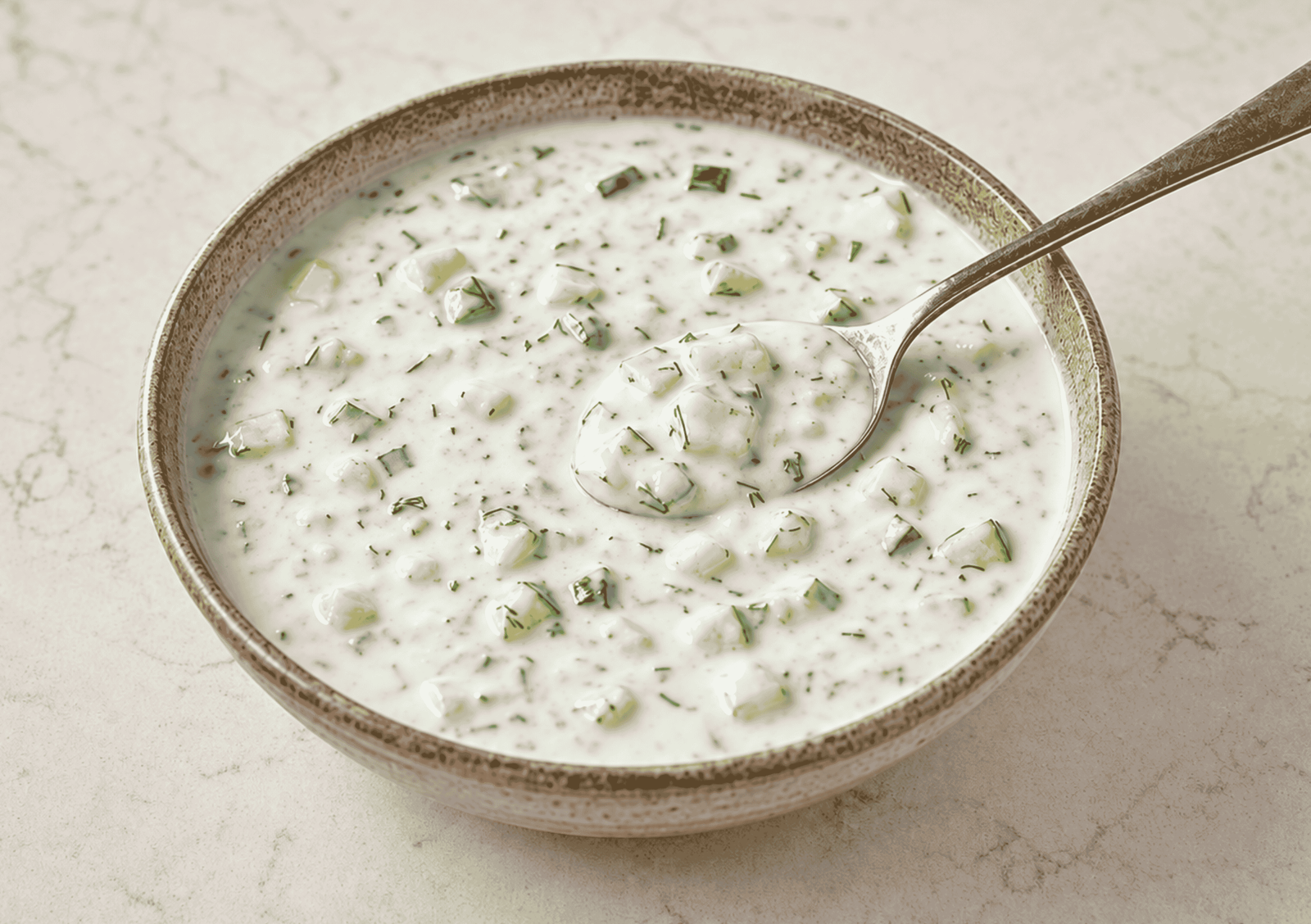
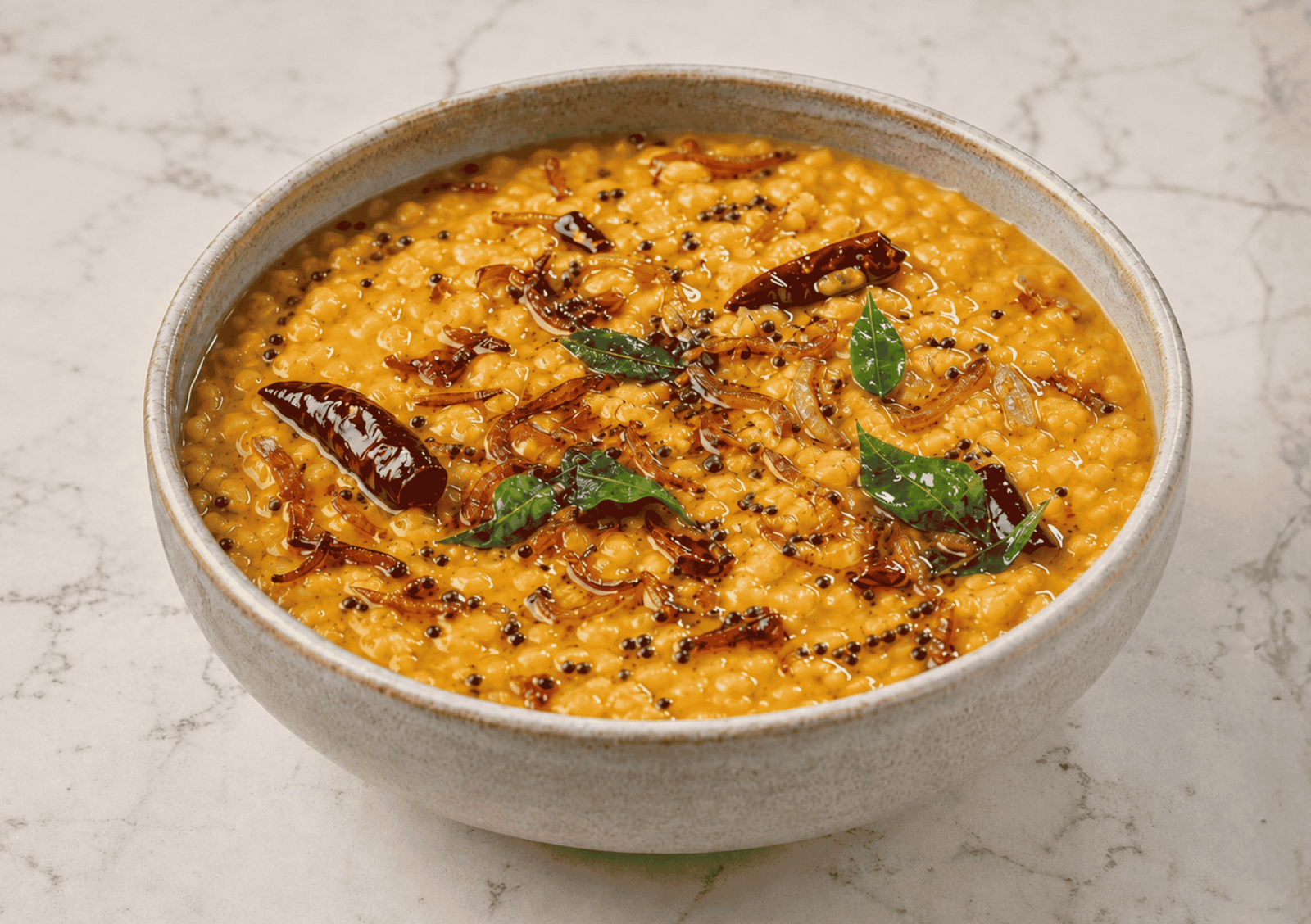
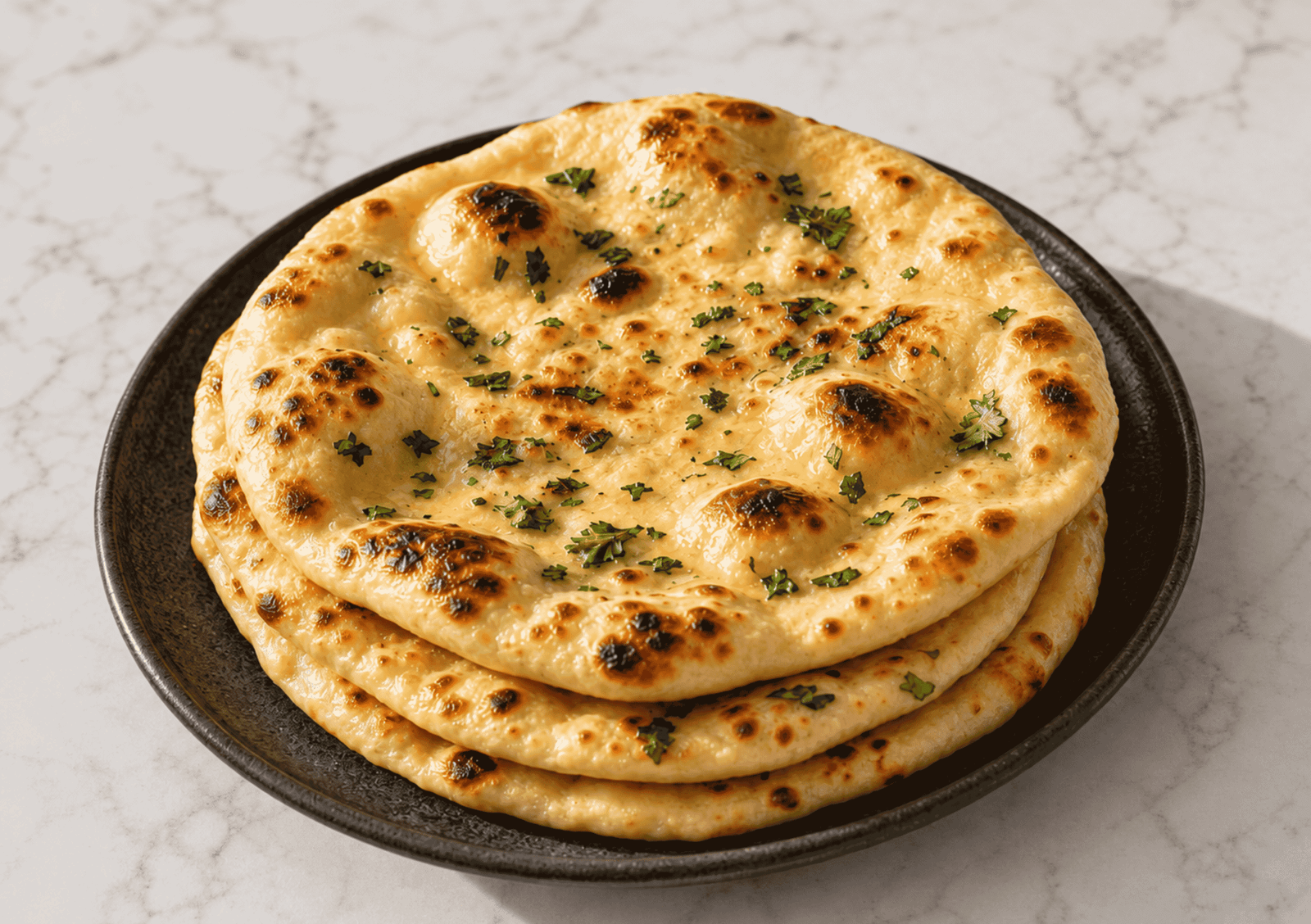
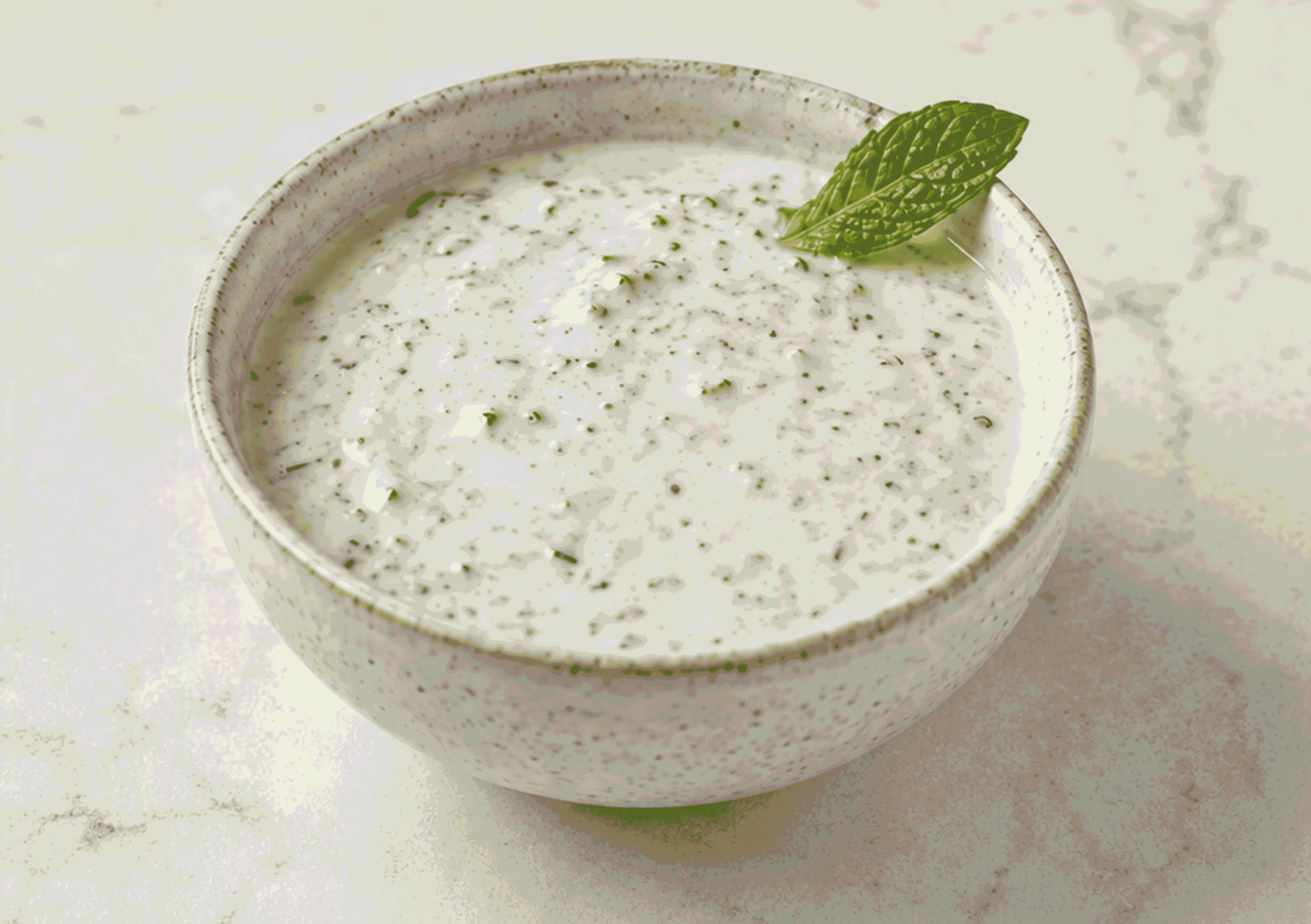
For a vegetarian meal, pair them with tarka dhal, cucumber raita, pilau rice and chapati. They also work as part of a larger spread with vegetable samosas, onion bhajis and coriander and mint chutney.
How to Store and Reheat Bombay Potatoes
Cool leftover potatoes promptly and transfer them to an airtight container in the fridge. Use within three days. The masala becomes thicker during storage as the potatoes absorb moisture.
Reheat in a covered frying pan over a low to medium heat with one or two tablespoons of water. Stir gently until the potatoes are steaming hot throughout. They can also be reheated in a microwave, covered and stirred partway through.
Freezing is possible, but the potatoes may become softer and slightly grainy after thawing. Freeze only once completely cool, defrost in the fridge and reheat gently so the pieces do not collapse.

Bombay Potatoes (Bombay Aloo)
Ingredients
- 750 g small waxy or all-purpose potatoes cut into even 3cm pieces
- 1 teaspoon fine salt for the cooking water plus more to taste
- 2 tablespoons rapeseed oil
- 1 teaspoon black mustard seeds
- 1/2 teaspoon cumin seeds
- 1/4 teaspoon fenugreek seeds optional
- 1 dried Kashmiri chilli broken in half
- 1 medium onion approximately 150g, finely sliced
- 2 garlic cloves finely grated
- 1 green chilli finely chopped
- 1 1/2 teaspoons curry house mixed powder or medium curry powder
- 1/2 teaspoon ground coriander
- 1/2 teaspoon Kashmiri chilli powder or to taste
- 1/4 teaspoon ground turmeric
- 200 g tinned chopped tomatoes
- 150 ml freshly boiled water plus more if needed
- 1 teaspoon tamarind paste
- 1/2 teaspoon garam masala
- 3 tablespoons finely chopped fresh coriander
- 1/2 lime cut into wedges, to serve
Instructions
- Cover the potatoes with cold water, add the salt and boil gently for 7 to 10 minutes until almost tender. Drain and steam dry for 5 minutes.
- Fry the potatoes in 1 tablespoon oil for 6 to 8 minutes until lightly golden, then transfer them to a plate.
- Add the remaining oil, mustard seeds, cumin seeds and optional fenugreek. When the mustard seeds pop, add the dried chilli and fry for 20 seconds.
- Add the onion and cook for 7 to 9 minutes until lightly golden. Stir in the garlic and green chilli for 45 seconds.
- Add the mixed powder, ground coriander, chilli powder and turmeric. Stir briefly, then add the tomatoes and 50ml hot water. Cook for 5 minutes.
- Mix the tamarind with the remaining 100ml water. Return the potatoes to the pan, add the tamarind water, cover and cook for 6 to 8 minutes.
- Uncover and reduce until the potatoes are tender and the masala clings to them.
- Stir in the garam masala and most of the coriander. Adjust the seasoning, garnish and serve with lime.
Notes
- Use waxy potatoes for pieces that hold their shape particularly well.
- Pre-cooked curry house potatoes can be substituted for the parboiled potatoes.
- Reduce the sauce uncovered for a drier finish.
- Add hot water gradually if the masala becomes dry before the potatoes are tender.
- Refrigerate leftovers and use within three days.
- Frozen potatoes may have a softer texture after reheating.