Curry House Poppadoms
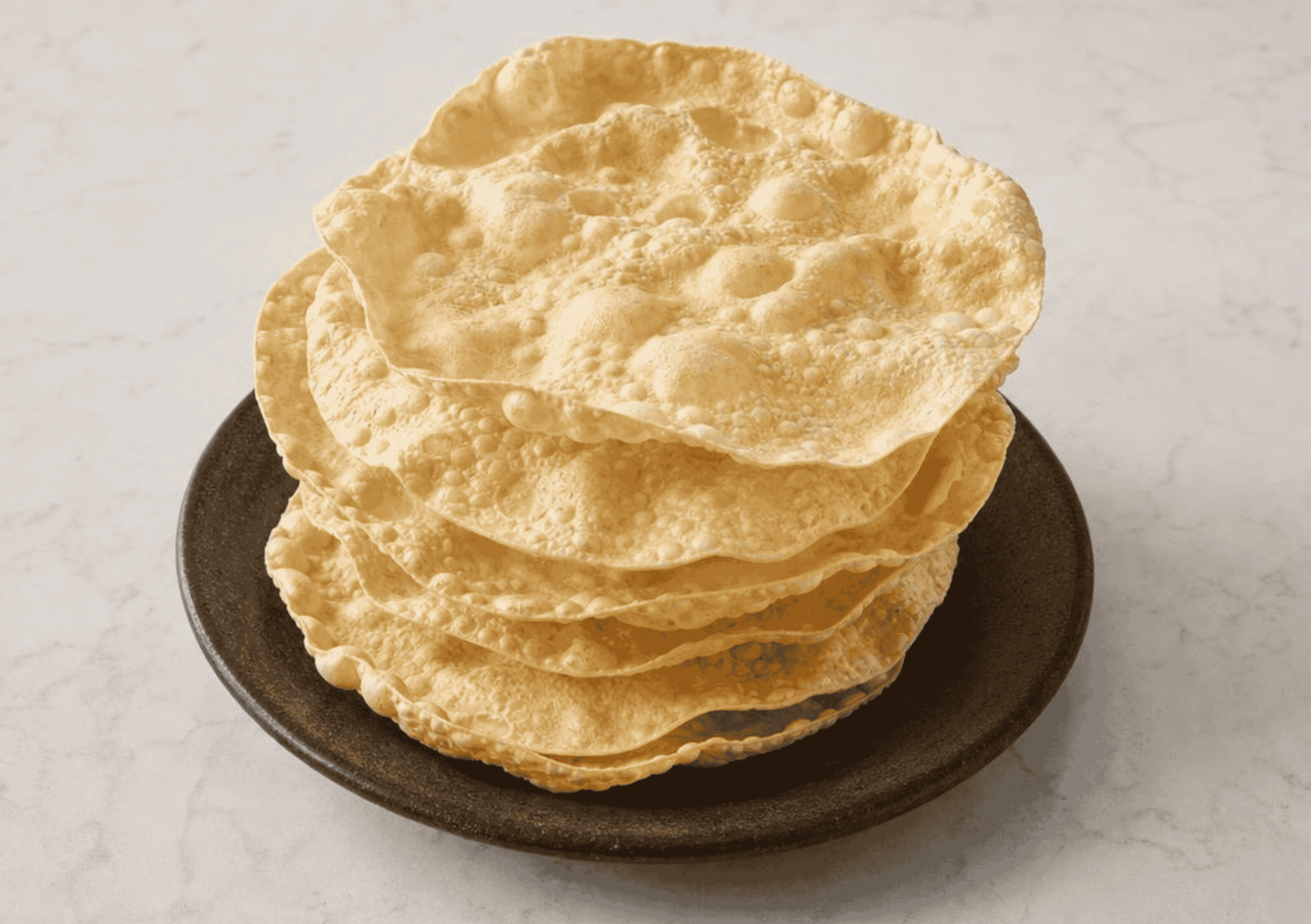
Freshly fried poppadoms are light, crisp and covered with tiny bubbles. They take only seconds to cook and are noticeably different from packets of pre-fried poppadoms, which can lose their delicate texture during storage.
This recipe begins with dried, uncooked papads bought from an Asian grocer or supermarket. It explains how to fry them in the way commonly used for British curry house service, how to keep them reasonably flat and how to drain them without trapping steam. Making the raw papad discs from lentil dough is a separate process and is not required here.
What Is a Poppadom?
A poppadom is a very thin, crisp disc commonly made from urad dal flour, although other pulses, grains and starches may be used. The raw discs are dried until firm, then fried, dry roasted, grilled or microwaved shortly before serving.
The names papad, papadam, papadum and poppadom vary by language, region and spelling convention. In British curry house usage, poppadom usually refers to the cooked crisp served with chutneys and pickles, while uncooked packets are often labelled papads.
Poppadoms expand as they cook, becoming brittle and blistered. They may be plain or seasoned with black pepper, cumin, chilli or other spices. The cooking method is the same, although very thin discs cook more quickly than thick ones.
Is This a From Scratch Poppadom Recipe?
No. This article shows you how to turn dried, uncooked papads into the crisp poppadoms served at curry houses. The ingredient list therefore includes raw papads rather than urad dal flour and a homemade dough.
Making papads from scratch requires mixing pulse flour into a firm dough, rolling it extremely thinly and drying the discs completely before cooking. That is a worthwhile separate recipe, but it involves different timings, equipment and weather or dehydrator considerations.
Buying uncooked papads still gives you control over the cooking method, oil freshness and serving time. It is also much closer to restaurant style poppadoms than buying a packet that has already been fried.
Which Papads Should I Buy?
Choose dried papads that will fit comfortably inside your wok or frying pan after they expand. A disc that is almost as wide as the pan when raw can curl against the sides and cook unevenly.
Plain urad papads are the most familiar option, but black pepper, cumin and green chilli varieties all work. Check the packet for cooking instructions because some products are formulated for frying while others are intended for dry roasting or microwaving.
Look for intact discs without cracks or damp patches. A broken papad can still be fried and used as a smaller piece, but fragments are harder to remove quickly from hot oil. Keep uncooked papads sealed and dry because moisture makes them soften and stick together.
How to Cook Poppadoms
Have the papads, tongs, draining rack and a heatproof tray ready before heating the oil. Each poppadom cooks in seconds, so there is no time to search for equipment once frying begins. Cook one at a time for the easiest control, particularly if this is your first batch.
See the recipe card at the bottom for exact quantities and printable directions
Ingredients You Will Need
- Dried uncooked papads
- Rapeseed or sunflower oil for deep frying
Cooking Instructions
Pour the oil into a wide, deep pan, ensuring the pan is no more than one third full. Heat it over a medium high heat while you arrange a wire rack over a tray and place long tongs beside the hob.
Test the temperature with a small broken corner of papad. It should expand and rise almost immediately without turning brown. Remove the test piece before cooking the full discs.
Slide one papad carefully into the oil, angling it away from you. It will expand and blister within seconds. Press it gently below the surface with tongs or a spider, then turn it once so both sides cook evenly.
Remove the poppadom as soon as it has expanded and become crisp but remains pale. Hold it above the pan briefly so excess oil can drain, then place it on the wire rack.
If a flatter shape is wanted, place a sheet of baking paper over the hot poppadom and set a flat heatproof plate on top for a few seconds. Remove the weight promptly so trapped steam does not soften the surface.
Allow the oil to return to temperature and repeat with the remaining papads. Cool the poppadoms completely before stacking or transferring them to an airtight container.
What Temperature Should I Fry Poppadoms At?
The oil should be hot enough for a papad to expand immediately. A kitchen thermometer provides the most consistent result because poppadoms move from raw to cooked in seconds.
If the oil is too cool, the papad absorbs more oil, curls slowly and may become chewy. If it is excessively hot, the surface browns before the disc has expanded evenly. Adjust the hob between batches and let the oil return to temperature before adding the next papad.
Do not wait for the poppadom to become golden in the pan. It will continue to crisp for a short time after removal, and visible browning can quickly develop into a bitter, burnt taste.
How Do I Keep Poppadoms Flat?
Poppadoms naturally twist and curl as moisture escapes and the disc expands. A slightly uneven shape is normal and does not affect the texture.
For a flatter result, submerge the papad gently with a broad spider or slotted spoon during the first few seconds. Turn it once and press down any section that rises far above the oil. Do not hold it rigidly against the base of the pan, where it can scorch.
A brief press beneath a heatproof plate after frying can flatten larger curls. Put baking paper between the poppadom and plate to prevent sticking, and remove the weight after a few seconds. Leaving the plate in place traps steam and may soften the crisp surface.
Cooking two papads together can restrict curling, but it also makes the rapid frying process harder to control in a domestic pan. One at a time is safer and more reliable unless the pan is particularly wide and you are comfortable working quickly.
Why Are My Poppadoms Greasy?
Greasy poppadoms are usually caused by oil that is not hot enough. The disc should expand at once rather than sitting at the bottom and bubbling slowly. Let the oil recover fully between batches.
Drain each poppadom vertically over the pan for a moment before placing it on a wire rack. A rack allows air to circulate underneath, while a flat stack of hot poppadoms traps oil and steam between the layers.
Do not fry for longer in an attempt to make the surface drier. Extra time darkens the papad and can make it bitter. Correct temperature and quick draining are more effective than prolonged cooking.
Can I Cook Poppadoms Without Deep Frying?
Yes, provided the papad packet says the discs are suitable for another method. The texture will differ from a curry house fried poppadom, but the alternatives use much less oil.
For the microwave, lightly brush both sides with oil if desired and cook one papad on a microwave safe plate until expanded and crisp. Microwave power varies, so begin with a short interval and add a few seconds only if needed. The papad may feel slightly flexible when first removed but should crisp as it cools.
For a dry frying pan or tawa, use medium high heat and turn the papad frequently with tongs. Press uncooked sections against the hot surface until the whole disc has changed colour and become crisp. This method produces more charred spots and usually more curling than deep frying.
Under a grill, watch continuously and turn the papad as soon as blisters appear. The distance from the heat varies between grills, so packet instructions should take priority over a fixed timing.
Oil Safety When Frying Poppadoms
Use a stable, deep pan with plenty of room above the oil. Fill it no more than one third full and keep the pan handle turned away from the edge of the hob. Make sure the papads, tongs and surrounding work surface are dry because water can make hot oil spit violently.
Never leave the oil unattended. If it begins to smoke, turn off the heat and allow it to cool. Do not move a pan of very hot oil and never use water on an oil fire. Keep children and pets away from the cooking area.
Once cooking is finished, turn off the hob and let the oil cool completely in the pan. Strain it if you intend to reuse it, or transfer it to a sealed container for disposal. Do not pour cooking oil down the sink.
Variations and Serving Options
- Plain papads: These provide a neutral base for strongly flavoured chutneys and pickles.
- Black pepper papads: Pepper adds dry warmth without the direct heat of fresh chilli.
- Cumin papads: Cumin gives the poppadoms a savoury aroma that works well with yoghurt based sauces.
- Chilli papads: These can be noticeably hotter between brands, so pair them with cucumber raita or mint sauce.
- Broken poppadoms: Break cooked poppadoms into pieces and use them for scooping dips or as a crisp topping over dhal and curry.
- Lower oil cooking: Microwave or dry roast papads when the packet confirms that method is suitable, accepting that the texture will differ from deep fried poppadoms.
Papads are often made from pulse flour, but allergen and gluten status varies between products. Some include wheat, asafoetida compounded with wheat flour or manufacturing warnings, so check the packet rather than assuming every papad is gluten free.
What to Serve with Poppadoms
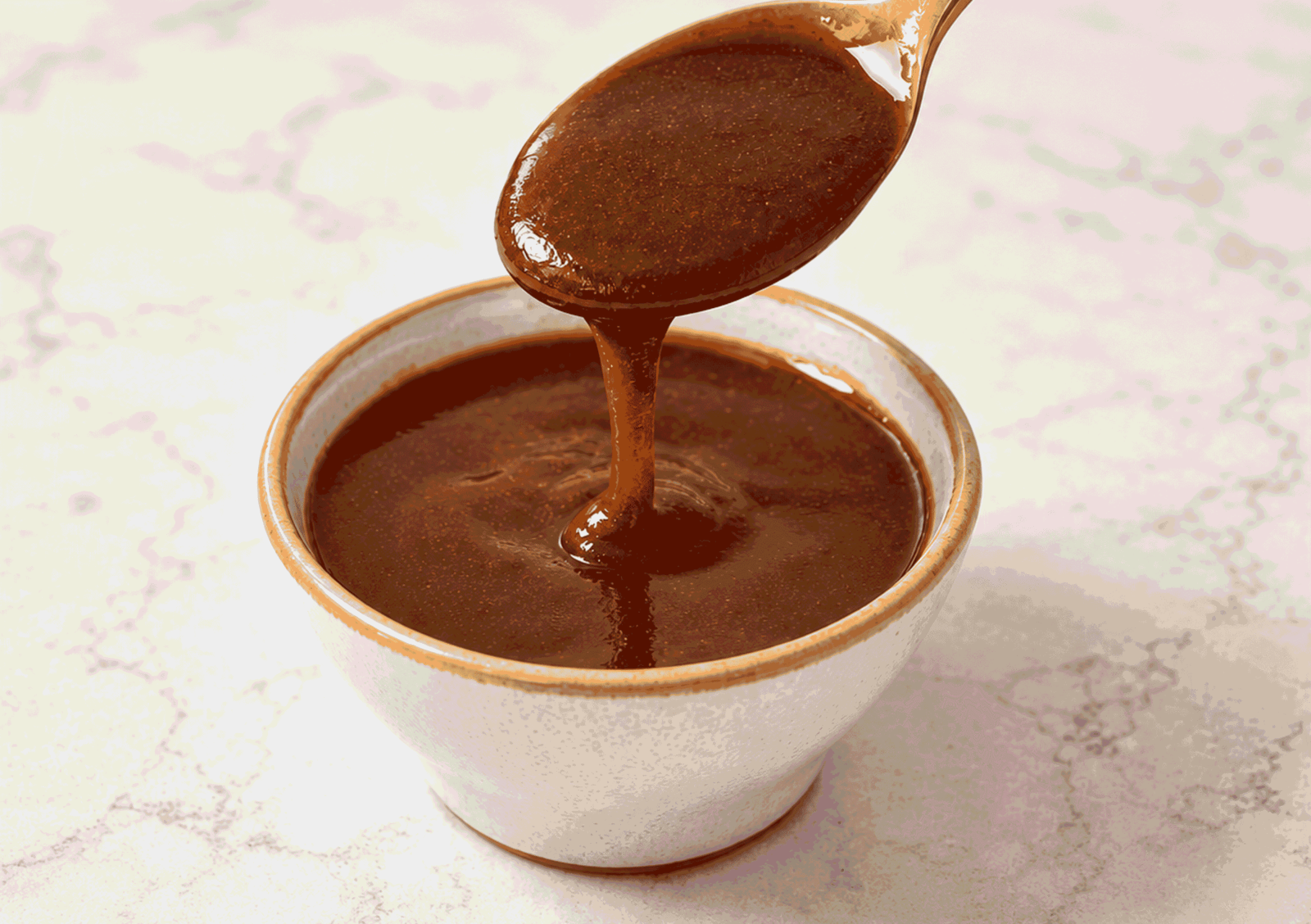
For a familiar curry house starter, serve the poppadoms with Indian mint sauce, red onion chutney, mango chutney and tamarind sauce. Coriander and mint chutney adds a fresher, more herbal option, while cucumber raita is thicker and cooling.
Poppadoms can also provide texture alongside tarka dhal, saag paneer or a saucy curry. Crush them over the plate shortly before eating so they remain crisp. Avoid placing them directly on a wet dish too early because they soften quickly.
How to Store Cooked Poppadoms
Let the poppadoms cool completely before storing them. Even a small amount of trapped warmth creates condensation, which turns the crisp discs chewy.
Place them in a large airtight container with a secure lid and keep them in a cool, dry cupboard. They are best during the first few days but can remain crisp for up to a week if protected from air and moisture. Do not refrigerate them because condensation can soften the surface.
If stored poppadoms lose some crispness, warm them briefly in a low oven or dry frying pan and allow them to cool before serving. Watch closely because already cooked papads burn quickly.

Curry House Style Fried Poppadoms
Ingredients
- 8 dried uncooked papads approximately 15cm wide
- 1 litre rapeseed or sunflower oil for deep-frying or enough to create a depth of about 5cm while filling the pan no more than one-third full
Instructions
- Arrange a wire rack over a heatproof tray and place long tongs or a spider beside the hob. Make sure the papads and equipment are completely dry.
- Pour the oil into a wide, deep pan, filling it no more than one-third full. Heat over a medium-high heat to 180°C.
- Test the oil with a small broken piece of papad. It should expand and float immediately without turning brown. Remove the test piece.
- Slide one papad carefully into the oil, directing it away from you. Press it gently beneath the surface with the tongs or spider. Turn once as soon as it expands.
- Fry for approximately 8 to 12 seconds in total, removing the poppadom while it is expanded, crisp and still pale. Hold it vertically over the pan for a few seconds to drain.
- Transfer to the wire rack. For a flatter poppadom, cover it with baking paper and press with a flat heatproof plate for 3 to 5 seconds, then remove the plate promptly.
- Let the oil return to 180°C and repeat with the remaining papads. Cool completely before stacking, serving or placing in an airtight container.
Notes
– Never fill the pan more than one third with oil or leave hot oil unattended.