Sweet Tamarind Sauce
Sweet tamarind sauce is the dark, tangy chutney served with samosas, pakoras, poppadoms and chaat. Tamarind gives it a clean sourness, while jaggery, cumin, ginger and chilli turn that acidity into a balanced dipping sauce rather than a sharp concentrate.
This recipe begins with a block of tamarind pulp. The pulp is softened in hot water, pressed through a sieve and briefly simmered with the seasonings. The result is approximately 250ml of smooth sauce, enough for four people as part of a curry house starter or chaat meal.
You can keep the sauce thick enough for dipping or loosen it so it can be drizzled from a bottle. The final consistency should be judged after cooling because both tamarind and dissolved jaggery thicken as they lose heat.
What Is Tamarind Sauce?
This tamarind sauce is a sweet and sour Indian style condiment, often called imli chutney. It is made by extracting the pulp from tamarind and balancing its strong acidity with sugar or jaggery, salt and ground spices.
The flavour should remain distinctly tart. If too much sweetener is added, the sauce loses the contrast that makes it useful with fried starters and yoghurt based chaat. Cumin and dried ginger add warmth, while Kashmiri chilli supplies mild heat without turning it into a hot chilli sauce.
Tamarind sauce is different from plain tamarind concentrate. Concentrate is an ingredient used to sour curries, dals, soups and sauces. Sweet tamarind sauce contains seasonings and sweetener, so it can be served directly as a dip or drizzle.
Should You Use a Tamarind Block, Paste or Concentrate?
A compressed tamarind block contains pulp along with seeds and fibrous pieces. It must be softened in hot water and strained, but it produces a rounded tamarind flavour and allows you to control the strength of the extraction.
Ready-made tamarind paste or puree has already been processed. Its strength varies widely between brands, so it cannot reliably replace a block gram for gram. Some products are pourable and relatively mild, while concentrated pastes can be intensely sour and almost black.
For the closest substitution, start with 40g tamarind paste and 180ml water in place of the block and its soaking water. Simmer it with the remaining ingredients, taste once cool, then add more paste in one teaspoon amounts if necessary. If the label describes the product as concentrate, begin with less.
Do not use a bottle labelled tamarind sauce as the substitute. It may already contain sugar, salt, chilli and other flavourings, making the final balance difficult to control.
How Sweet Should Tamarind Sauce Be?
Tamarind varies in sharpness, so the amount of jaggery should be treated as a sensible starting point. This recipe uses 50g, which produces a sweet sauce that still has a noticeable tang. Taste a cooled spoonful before adding more.
Jaggery has a mild caramel character that suits tamarind, but soft light brown sugar is a practical substitute. Ordinary caster sugar also works and gives a cleaner sweetness. Whichever you use, dissolve it fully before making the final decision about the balance.
For chaat, a sweeter sauce is often useful because it will be served with yoghurt, chilli chutney and salty toppings. For samosas or pakoras, you may prefer a sharper sauce that cuts through the fried pastry or batter.
What Consistency Should Tamarind Sauce Have?
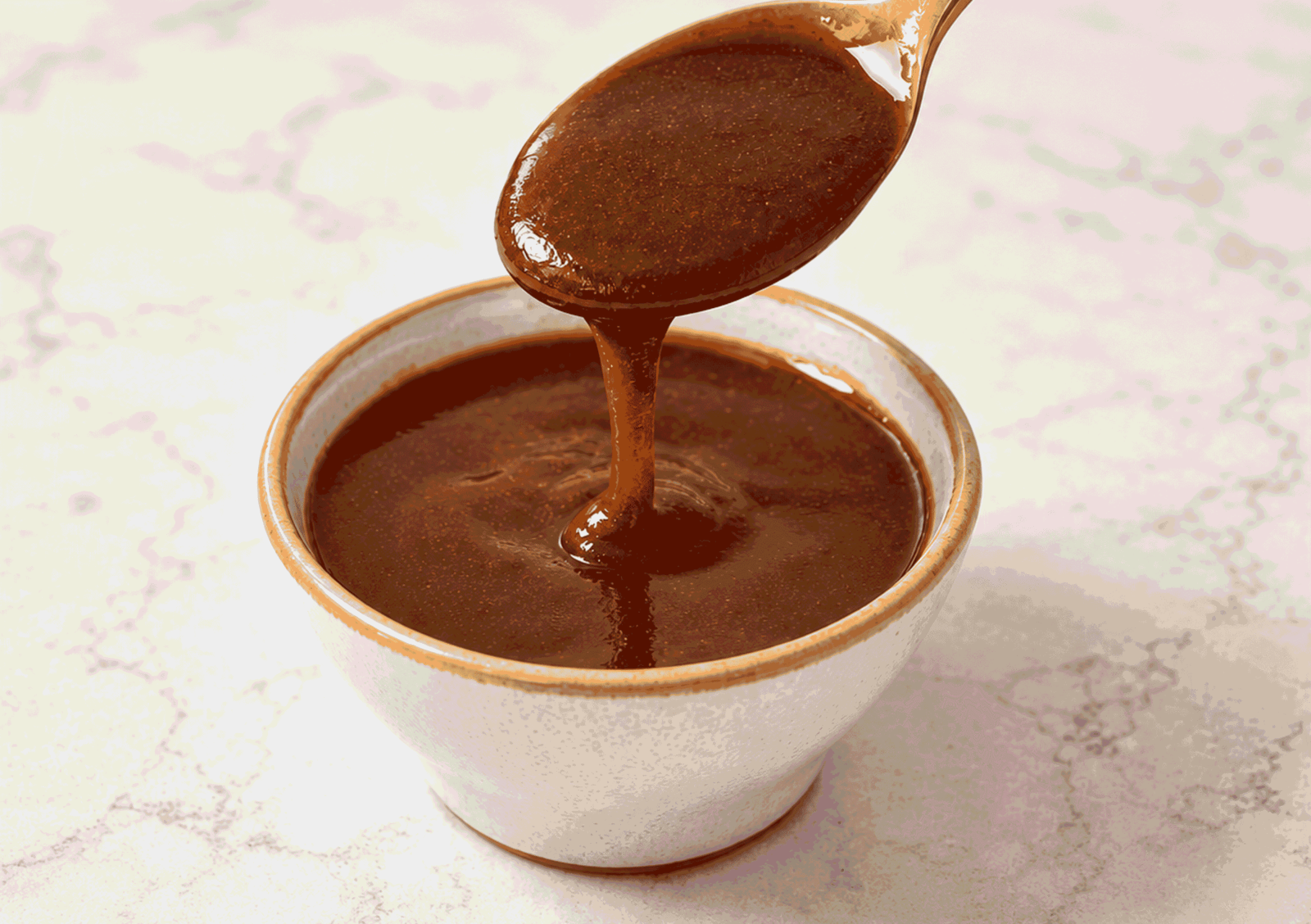
For dipping, the sauce should coat the back of a spoon and fall in a steady ribbon. For chaat or a squeeze bottle, it should be slightly looser and flow without needing to be shaken forcefully.
The sauce looks thinner while hot and thickens on cooling. Stop simmering when it is a little looser than the consistency you want to serve. If it becomes too thick after refrigeration, stir in a teaspoon of cold water at a time.
Straining is important even if the softened tamarind looks smooth. Small pieces of shell, seed and tough fibre are unpleasant in the finished sauce and can block the nozzle of a squeeze bottle.
How to Make Sweet Tamarind Sauce
Break the tamarind block into pieces and simmer it in water until soft. Mash the pulp thoroughly, press it through a fine sieve, then return the smooth extract to the pan with jaggery and spices. Simmer only long enough to dissolve the sweetener and bring the sauce to the required consistency. See the recipe card at the bottom for exact quantities and printable directions
Ingredients You Will Need
- Compressed tamarind block
- Water
- Jaggery
- Ground cumin
- Chaat masala
- Ground ginger
- Kashmiri chilli powder
- Black salt
- Fine salt
Cooking Instructions
Step 1: Soften the tamarind. Break the tamarind block into several pieces and place them in a small saucepan with the water. Bring to a gentle simmer over a medium heat.
Step 2: Rest the pulp. Simmer briefly, pressing and separating the tamarind with a wooden spoon. Remove the pan from the heat and leave it to rest so the pulp softens further and becomes safe to handle.
Step 3: Mash the tamarind. Mash the softened tamarind thoroughly with a potato masher or the back of a wooden spoon. The water should become dark, thick and pulpy, with the fibres and any seeds clearly separated.
Step 4: Strain the extract. Set a fine sieve over a bowl. Spoon in the tamarind mixture and press it firmly against the mesh, scraping the underside of the sieve occasionally. Continue until only seeds, shell and dry fibres remain, then discard those solids.
Step 5: Add the seasonings. Pour the smooth tamarind extract into a clean saucepan. Add the jaggery, ground cumin, chaat masala, ground ginger, Kashmiri chilli powder, black salt and fine salt.
Step 6: Simmer the sauce. Place the pan over a low to medium heat and simmer briefly, stirring frequently, until the jaggery has dissolved and the sauce lightly coats a spoon. Add a splash of water if it becomes too thick.
Step 7: Taste and adjust. Place a small amount of sauce on a cool plate and allow it to cool before tasting. Adjust with extra jaggery for sweetness, chilli powder for heat or salt for savouriness. Dissolve any added jaggery over the heat before continuing.
Step 8: Cool and store. Remove the pan from the heat while the sauce is slightly looser than the intended serving consistency. Cool completely, transfer to a clean jar or squeeze bottle and refrigerate.
Why Is My Tamarind Sauce Too Sour?
Tamarind is naturally acidic, and some blocks are considerably sharper than others. If the cooled sauce is too sour, return it to a low heat and dissolve in another 5 to 10g of jaggery. Add it gradually because an overly sweet sauce is harder to correct.
A pinch of salt can also make the flavour seem more balanced without adding more sugar. Water reduces the overall intensity but also thins the sauce, so use it when both the sourness and consistency are too strong.
Do not judge the balance while the sauce is piping hot. Heat makes its sharpness seem more aggressive and can hide some of the sweetness.
Why Is My Tamarind Sauce Grainy?
A gritty or fibrous sauce usually means the tamarind was not pressed through a fine enough sieve. Pass the finished sauce through a clean fine mesh sieve while it is still warm, using the back of a spoon to help it through.
Undissolved jaggery can also create small grains. Chop or grate it before adding, then simmer gently until no solid pieces remain. Avoid a hard boil because the sauce can catch on the base of the pan as it thickens.
Cooking Tips
- Break the tamarind block into small pieces so it softens evenly.
- Allow the pulp to stand after simmering before trying to press it through the sieve.
- Use a fine mesh sieve to remove seeds, shell fragments and tough fibres.
- Scrape the underside of the sieve because thick tamarind pulp collects there.
- Taste the sauce only after cooling a small sample.
- Add extra jaggery in small quantities and dissolve it fully.
- Keep the heat moderate and stir regularly once the sweetener has been added.
- Thin chilled sauce with water one teaspoon at a time.
Variations and Substitutions
Soft light brown sugar can replace jaggery in the same weight. It creates a slightly cleaner, less earthy sweetness. Caster sugar can also be used, although the finished sauce will have less caramel depth.
Omit the Kashmiri chilli for a mild version or increase it gradually for more warmth. Cayenne pepper is considerably hotter and should be added by the pinch rather than used as an equal replacement.
Chaat masala adds saltiness and a distinctive tang. If it is unavailable, omit it and adjust the black salt and cumin to taste. The result will be simpler but will still work as a tamarind dipping sauce.
For date and tamarind chutney, simmer 75g chopped soft dates with the strained tamarind extract until tender, then blend and sieve the sauce. The dates add body and sweetness, so reduce the jaggery and adjust it only after blending.
How to Use Tamarind Sauce
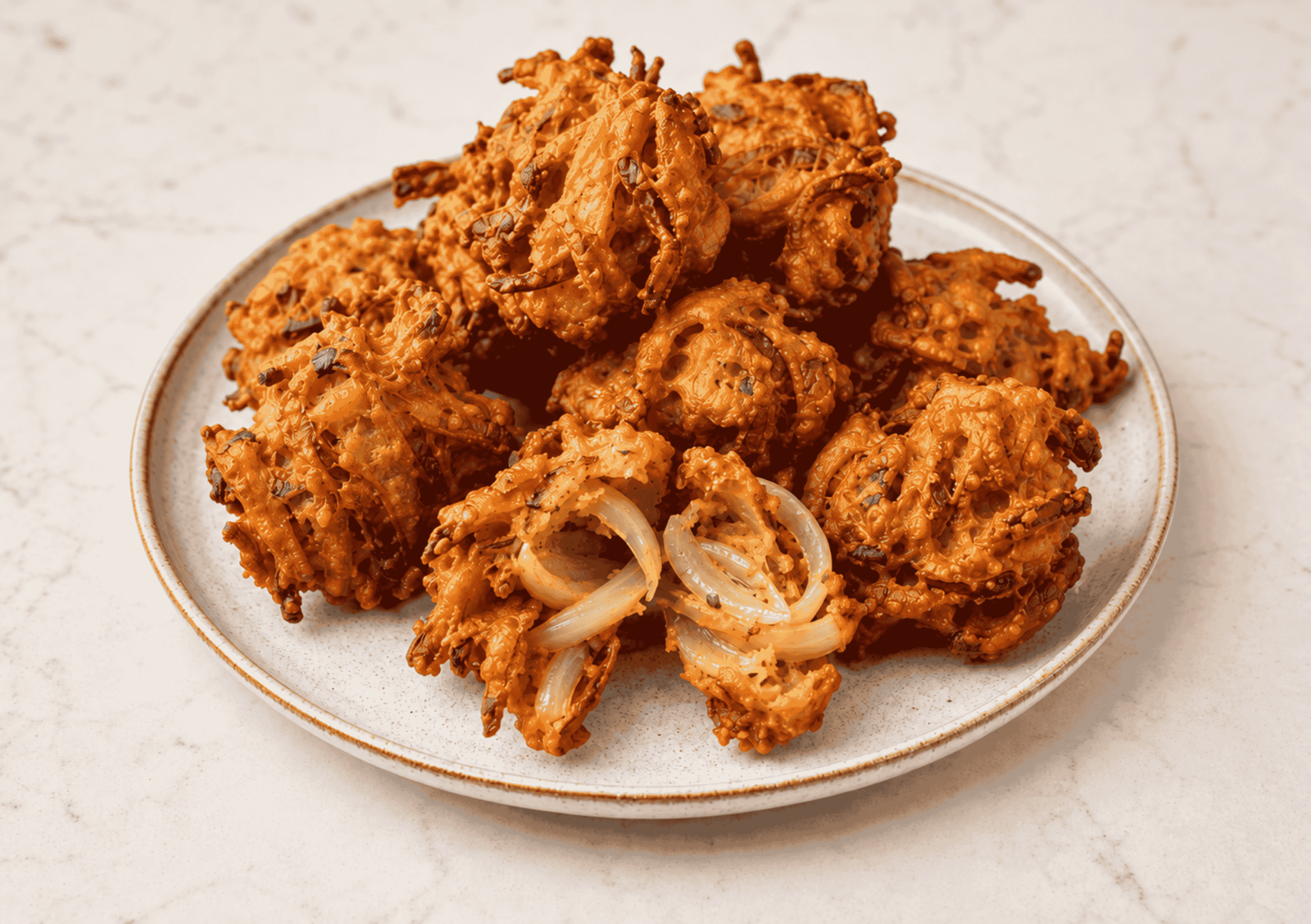
Serve the sauce with vegetable samosas, onion bhajis, pakoras, poppadoms and grilled kebabs. Its acidity is particularly useful with fried foods because it cuts through richness without adding more dairy or oil.
Drizzle it over samosa chaat, papdi chaat or spiced potatoes, usually alongside yoghurt and a fresh green chutney. A small amount can also be stirred into a curry, dhal or chickpea dish when a controlled sweet and sour note is wanted.
Remember that this seasoned sauce contains jaggery, chilli and salt. If a savoury recipe calls specifically for tamarind concentrate, add the sweet sauce cautiously because it will alter more than the acidity.
How to Store Tamarind Sauce
Transfer the cooled sauce to a clean airtight jar or squeeze bottle and keep it refrigerated. Use a clean utensil each time, or make sure the bottle nozzle does not touch food while serving.
Use the sauce within one week. Discard it sooner if it develops mould, bubbling, an unusual smell or any other sign of spoilage. This recipe is not intended for storage at room temperature.
The sauce can be frozen in small portions, including in an ice cube tray reserved for food. Once solid, move the portions to a freezer-safe container and defrost only what you need in the fridge.

Sweet Tamarind Sauce
Ingredients
- 150 g compressed tamarind block
- 300 ml water plus more to adjust the consistency
- 50 g jaggery finely chopped or grated
- 1 teaspoon ground cumin
- 1/2 teaspoon chaat masala
- 1/2 teaspoon ground ginger
- 1/4 teaspoon Kashmiri chilli powder or to taste
- 1/4 teaspoon black salt
- 1 small pinch fine salt or to taste
Instructions
- Break the tamarind into pieces and simmer it with 300ml water for 5 minutes.
- Remove from the heat, rest for 10 minutes and mash the softened pulp thoroughly.
- Press the mixture through a fine sieve and discard the seeds, shell and fibres.
- Return the extract to a clean saucepan and add the jaggery, cumin, chaat masala, ginger, chilli powder and both salts.
- Simmer for 4 to 6 minutes, stirring frequently, until the jaggery dissolves and the sauce lightly coats a spoon.
- Cool a small sample, taste and adjust the sweetness, heat or salt. Dissolve any added jaggery over the heat.
- Remove the sauce from the heat while slightly loose. Cool completely, transfer to a clean container and refrigerate.
Notes
- Tamarind blocks vary in sharpness, so adjust the jaggery after tasting.
- The sauce thickens as it cools.
- Use less if substituting a concentrated tamarind product.
- Strain carefully for a smooth sauce that will pass through a squeeze bottle.
- Keep refrigerated and use within one week.
- This is a seasoned dipping sauce, not plain tamarind concentrate.