Curry House Peshwari Naan
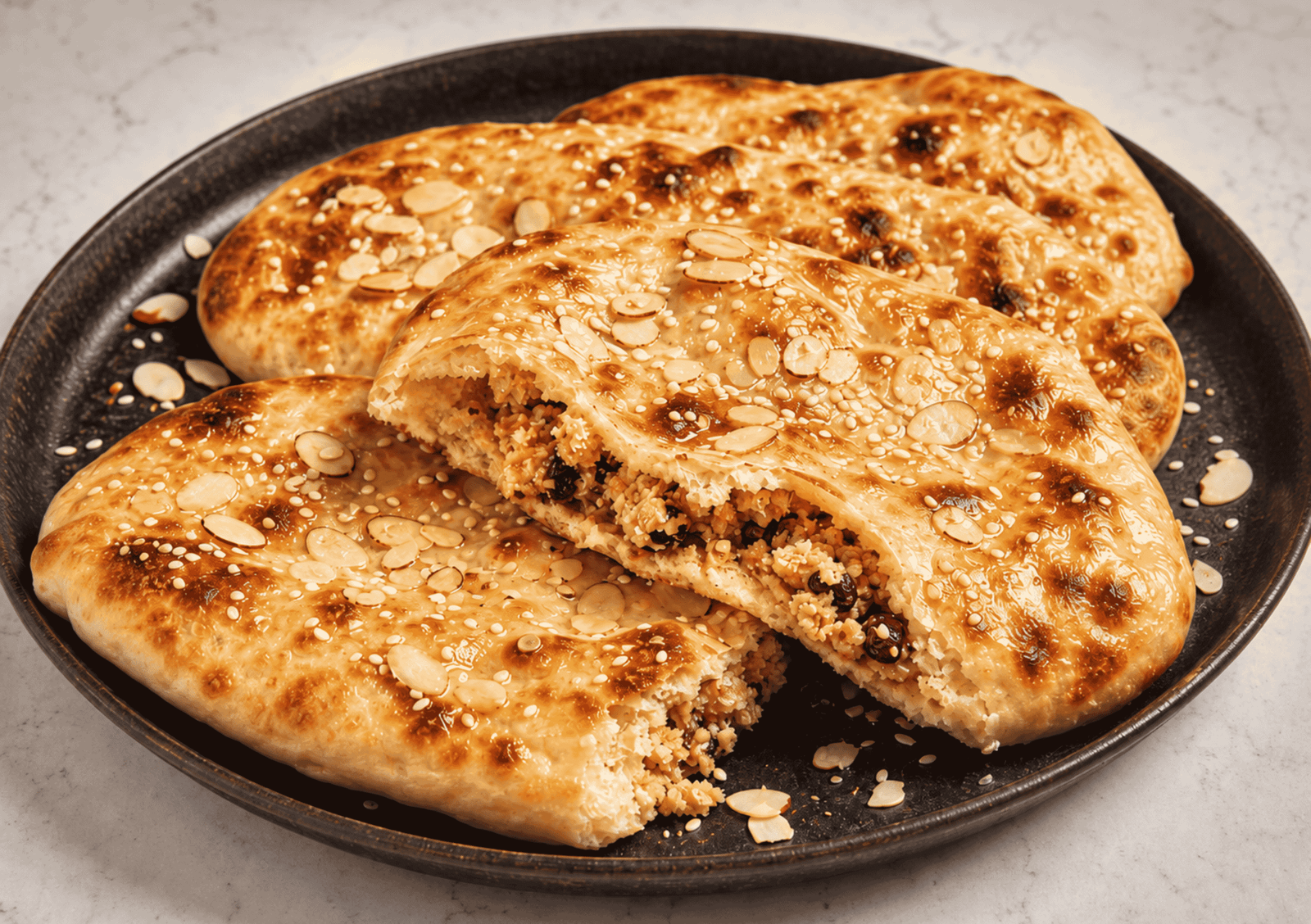
Peshwari naan is the sweet, filled bread many of us order alongside a British curry house meal. The tender naan dough encloses a soft mixture of almonds, coconut and sultanas, then a little ghee, flaked almond and sesame seed finishes the bread after cooking.
This version is designed for an ordinary hob rather than a tandoor. A heavy frying pan gives the naan blistered brown patches and a soft centre, while a carefully mixed filling stays inside the dough instead of escaping as you roll it. The recipe makes six medium naans, which is enough for four people as part of a curry meal.
What Is Peshwari Naan?
Peshwari naan, also written as Peshawari naan, is a filled naan commonly found on British Indian Restaurant menus. Unlike plain or garlic naan, it has a noticeably sweet centre made with nuts, dried fruit and coconut. Recipes vary between curry houses, particularly in sweetness and how finely the filling is ground.
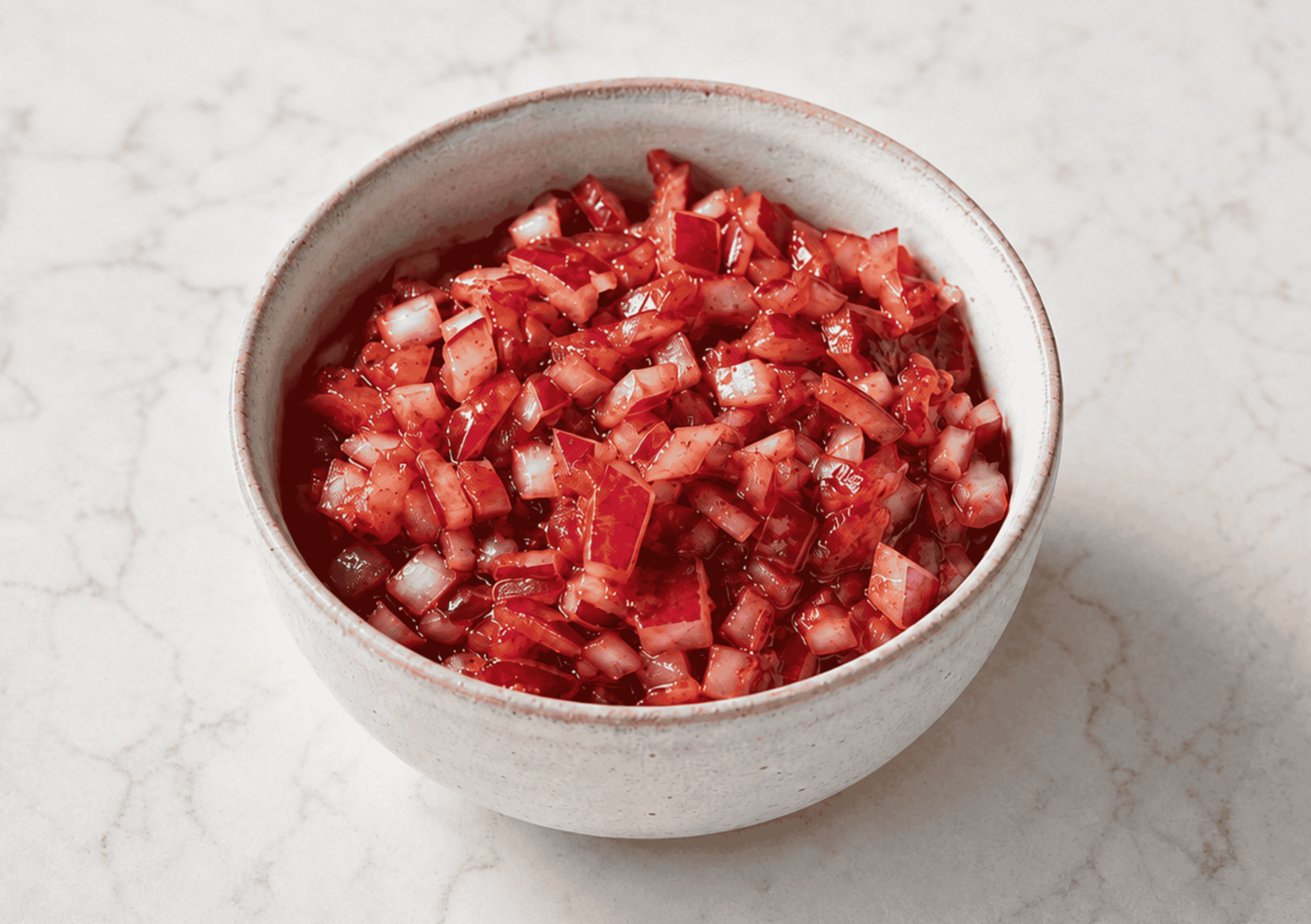
The name suggests an association with Peshawar, but the familiar sweet curry house version is best described as a British Indian Restaurant style bread. For this recipe, ground almonds form the body of the filling, desiccated coconut absorbs moisture and sultanas bring a gentle fruitiness. A small amount of cardamom adds fragrance without making the filling taste like a dessert.
What Goes Into the Sweet Naan Filling?
The filling needs to be soft enough to spread slightly as the dough is rolled, but dry enough to remain enclosed.
- Ground almonds give the filling structure and a mild nutty flavour.
- Desiccated coconut adds the familiar coconut taste and helps control moisture.
- Sultanas provide sweetness and a little chew. Chopping or pulsing them prevents large pieces from tearing the dough.
- Caster sugar gives the bread its curry house sweetness. It can be reduced slightly, although the filling will naturally taste less pronounced.
- Ground cardamom is optional, but a small pinch works well with the fruit and nuts.
- Single cream binds the dry ingredients. Add it gradually because an overly wet filling is difficult to seal inside naan dough.
How to Make Peshwari Naan
Allow enough time for the yeast dough to prove until puffy and close to doubled in size. While it rises, prepare the filling and set out the finishing ingredients. A heavy cast iron or stainless steel frying pan gives the most even heat, although a sturdy non stick pan can also be used if its manufacturer permits high heat cooking. See the recipe card at the bottom for exact quantities and printable directions
Ingredients You Will Need
For the naan dough:
- Plain flour
- Fast action dried yeast
- Caster sugar
- Baking powder
- Fine salt
- Whole milk
- Full fat Greek yoghurt
- Egg
- Rapeseed oil or another neutral oil
For the Peshwari filling:
- Ground almonds
- Desiccated coconut
- Sultanas
- Caster sugar
- Ground cardamom, optional
- Single cream
To finish:
- Ghee or melted butter
- Flaked almonds
- Sesame seeds
Cooking Instructions
Mix the flour, yeast, sugar, baking powder and salt in a large bowl. Whisk the warm milk, yoghurt, egg and oil separately, then add them to the dry ingredients. Stir until no dry patches remain.
Knead until the dough is smooth and elastic. It should feel soft and slightly tacky rather than dry. Put it in a lightly oiled bowl, cover and leave in a warm place until puffy and close to doubled in size.
Make the filling while the dough proves. Pulse the almonds, coconut, sultanas, sugar and cardamom in a food processor until the fruit is finely chopped. Add the cream gradually and pulse just until the mixture holds together when pressed. Do not blend it into a wet puree.
Turn the risen dough onto a lightly floured surface and divide it evenly. Shape each piece into a ball, cover and rest so the gluten relaxes and the dough becomes easier to roll.
Flatten one ball into a disc and place a portion of filling in the centre. Draw the edges up around it and pinch firmly to seal. Put the seam underneath, press gently, then roll into an oval. Stop if the filling begins to show through. Shape and cook the remaining naans in the same way.
Heat a heavy, dry frying pan over a high heat until thoroughly hot. Lay in one naan and cook until large bubbles form, the underside has browned patches and the surface no longer looks raw. Turn it and cook the second side until browned and cooked through. Adjust the heat if the flour scorches before the centre cooks.
Brush the hot naan with ghee and scatter over the flaked almonds and sesame seeds. Keep it warm under a clean tea towel while the remaining breads cook, then serve promptly.
How Much Filling Should I Put in Each Naan?
More filling is not always better. About one sixth of the mixture in each dough ball gives a distinct sweet layer without making the naan difficult to seal. Leave a clear border around the filling, bring the dough edges together above it and pinch out any trapped air before rolling.
If a little filling breaks through, pinch the dough closed and dust the area lightly with flour. Repeatedly rolling over a split will widen it and push more filling out.
How Do I Stop Peshwari Naan Leaking?
The filling should clump when squeezed but should not release liquid. Add cream little by little, stopping as soon as the ingredients bind. If it becomes sticky or loose, mix in a little more ground almond or desiccated coconut.
Keep the outside of the dough lightly floured but avoid getting flour on the edges before sealing, as this can prevent them sticking together. Resting the divided dough also matters. Dough that springs back strongly needs more rest and is more likely to tear when forced thin.
Roll with gentle strokes from the centre outwards. The aim is an even naan rather than the thinnest possible bread. A medium naan that fits comfortably inside the pan will also cook more evenly.
How Hot Should the Pan Be?
The pan needs to be hot enough to create bubbles and brown patches quickly. Preheat it for several minutes before adding the first naan. A light sprinkle of flour should darken promptly, but the pan should not be smoking heavily.
If the naan stays pale and becomes firm, the pan is probably too cool. If loose flour blackens immediately while the dough remains raw, lower the heat slightly and wipe the pan carefully between batches. Do not add oil to the pan because it will fry the surface rather than producing the dry, blistered finish associated with naan.
Can I Prepare Peshwari Naan in Advance?
The filling can be made a day ahead, covered and refrigerated. Bring it out while the dough proves so it loses some of its chill. Very cold filling can make the centre of the naan slower to cook.
You can also make the dough earlier the same day. After kneading, cover it and let it rise slowly in the fridge. Bring it towards room temperature before dividing, filling and cooking. Judge the dough by how puffy it looks rather than relying only on the clock, as a cold kitchen slows yeast activity.
Freshly cooked naan has the softest texture, but the breads can be reheated successfully. If you are cooking the whole meal in advance, slightly under colour them on the first cook so they do not become too crisp when reheated.
Variations and Substitutions
- Less sweet: Reduce the caster sugar in the filling. Do not remove the sultanas and sugar together unless you want a much more savoury bread.
- Different dried fruit: Finely chopped golden raisins or soft dried apricot can replace the sultanas. Apricot gives a more noticeable tang and should be chopped very finely.
- Different nuts: Ground cashews can replace some or all of the almonds, although the filling will be richer and slightly softer. Pistachios are better used as a partial replacement so they do not dominate.
- Without cardamom: Simply leave it out. The almond, coconut and fruit still give the naan its characteristic filling.
- Without a food processor: Chop the sultanas very finely, then mix them thoroughly with the remaining filling ingredients. Ground almonds are preferable to flaked almonds for this method.
- Butter instead of ghee: Melted butter is suitable for brushing, though ghee has a cleaner, more concentrated buttery taste.
This recipe contains wheat, gluten, milk, egg, almonds and sesame. Substituting around several of those allergens would require a separately developed dough and filling rather than a simple one for one change.
Practical Tips for Soft, Puffy Naan
- Keep the dough soft. Adding a large amount of flour during kneading can make the cooked naan dense.
- Give the dough enough time to rise. Yeast works more slowly in a cool room.
- Let the divided dough rest before filling it. Relaxed dough stretches without fighting the rolling pin.
- Make the filling cohesive rather than creamy. Excess moisture encourages leaks and can leave a damp layer inside the bread.
- Preheat the pan properly and cook one naan at a time.
- Cover cooked naans with a clean tea towel. The trapped steam keeps them flexible while the batch is finished.
- Brush with ghee after cooking, not before, so it does not burn in the dry pan.
What to Serve with Peshwari Naan
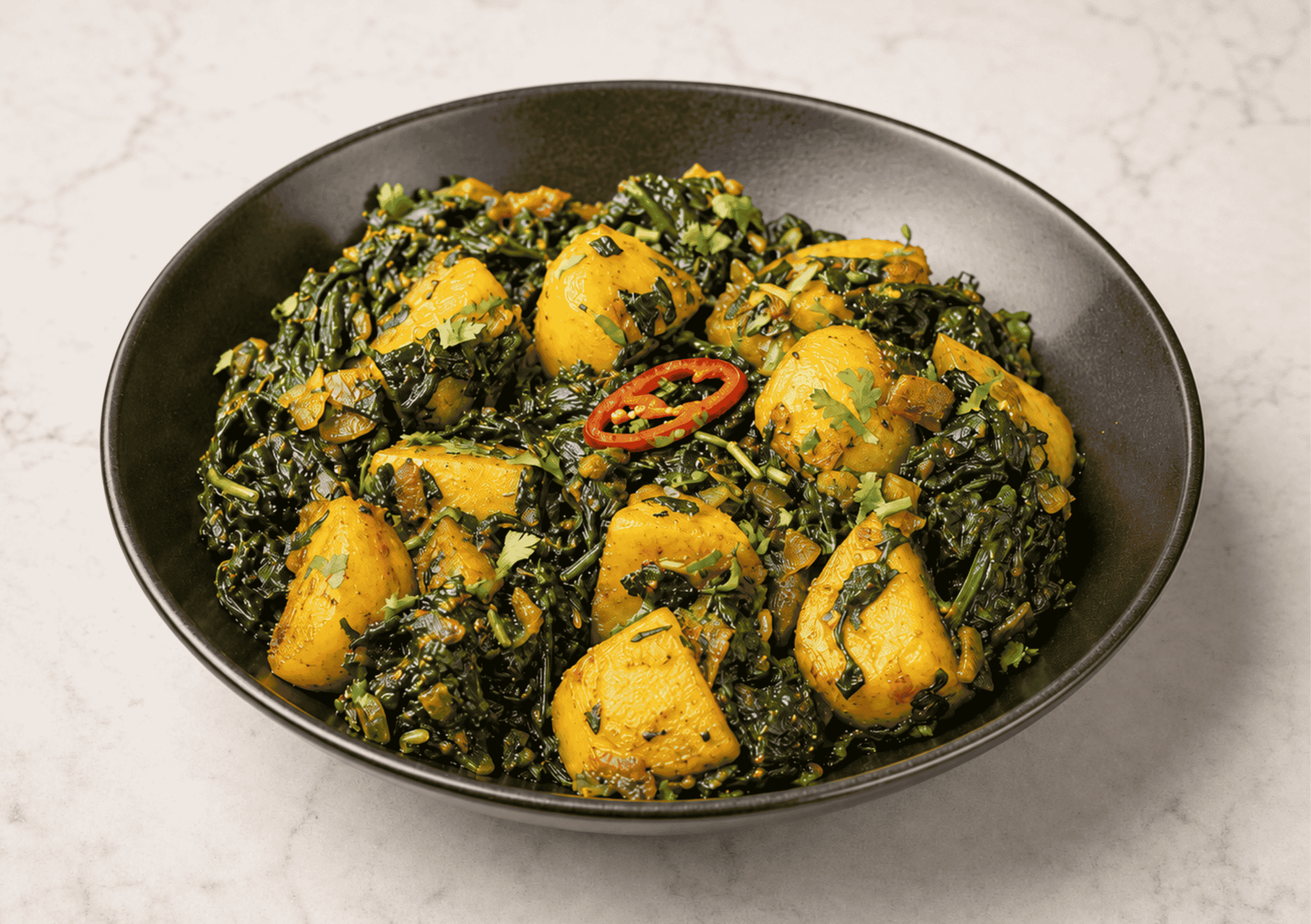
The sweetness works particularly well with savoury or moderately spiced curries. Serve the naans with chicken tikka masala, chicken korma, lamb rogan josh or chicken jalfrezi. They are also useful for scooping up tarka dhal and saag paneer.
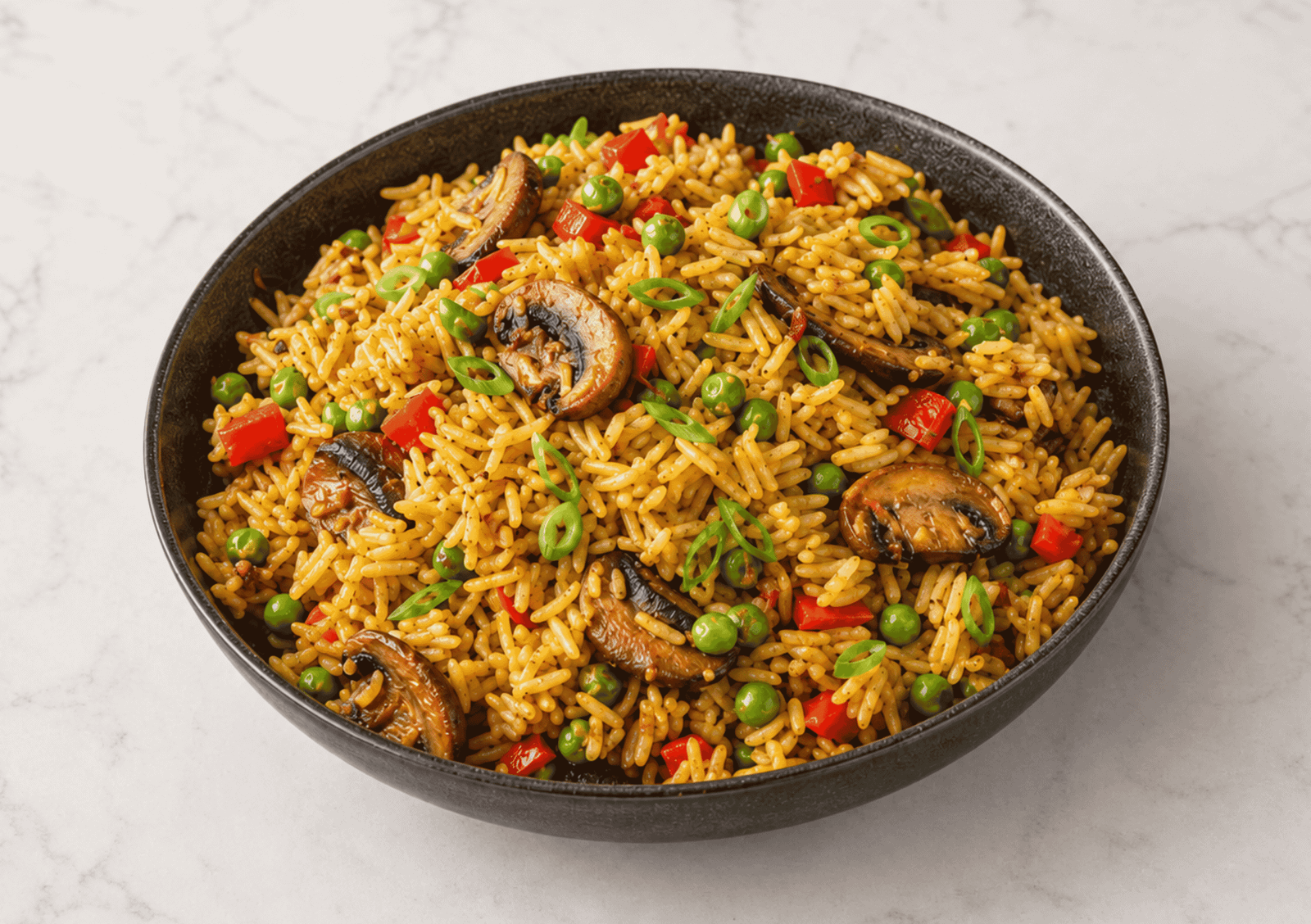
For a fuller curry house spread, add pilau rice, onion bhajis and a cooling cucumber raita. Because the naan is rich and sweet, a sharp coriander and mint chutney provides a good contrast.
How to Store and Reheat Peshwari Naan
Cool leftover naan promptly, wrap it well and refrigerate within two hours. Eat refrigerated leftovers within two days. Reheat only once, until steaming hot throughout.
For the softest result, sprinkle the naan very lightly with water and warm it in a covered frying pan over a medium low heat. You can also wrap it loosely in foil and reheat it in the oven. Avoid prolonged heating, which dries the bread and can make the filling crumbly.
To freeze, cool the naans completely, separate them with baking paper and place them in a well sealed freezer bag. Freeze for up to three months for best quality. Defrost in the fridge and reheat until steaming hot throughout.

Curry House Peshwari Naan
Ingredients
For the naan dough
- 450 g plain flour plus up to 25g for dusting
- 7 g fast action dried yeast
- 15 g caster sugar
- 1 teaspoon baking powder
- 1 teaspoon fine salt
- 160 ml whole milk warmed until just lukewarm
- 150 g full fat Greek yoghurt at room temperature
- 1 medium egg
- 1 tablespoon rapeseed oil plus a little for the bowl
For the Peshwari filling
- 100 g ground almonds
- 35 g desiccated coconut
- 45 g sultanas
- 30 g caster sugar
- 1/4 teaspoon ground cardamom optional
- 40 ml single cream added gradually
To finish
- 30 g ghee or melted butter
- 15 g flaked almonds
- 2 teaspoons sesame seeds
Instructions
- Combine the flour, yeast, sugar, baking powder and salt in a large bowl. In a jug, whisk together the warm milk, yoghurt, egg and oil. Pour the wet mixture into the flour and mix into a soft dough.
- Knead by hand for 8 to 10 minutes, or in a stand mixer for 6 to 7 minutes, until smooth and elastic. The dough should remain slightly tacky. Put it in a lightly oiled bowl, cover and leave in a warm place for about 90 minutes, until puffy and close to doubled.
- Meanwhile, put the ground almonds, coconut, sultanas, sugar and cardamom in a food processor. Pulse until the sultanas are finely chopped. Add the cream a little at a time and pulse until the filling holds together when pressed but is not wet. Divide it into 6 portions.
- Turn the risen dough onto a lightly floured worktop and divide it into 6 equal pieces. Shape into balls, cover and leave to rest for 20 minutes.
- Flatten one dough ball into a disc about 12cm wide. Put one portion of filling in the centre, leaving a border. Draw the edges over the filling, pinch firmly to seal and place seam side down.
- Press the filled ball gently, then roll it into an oval about 20cm long and 3 to 4mm thick. Use only enough flour to prevent sticking. Repeat with the remaining dough, keeping the unrolled pieces covered.
- Heat a large, heavy, dry frying pan over a high heat for 3 to 4 minutes. Add one naan and cook for 60 to 90 seconds, until bubbles rise and the underside develops well browned patches.
- Transfer to a plate, brush with ghee and sprinkle with flaked almonds and sesame seeds. Cover with a clean tea towel and repeat with the remaining naans. Serve warm.