Curry House Pilau Rice
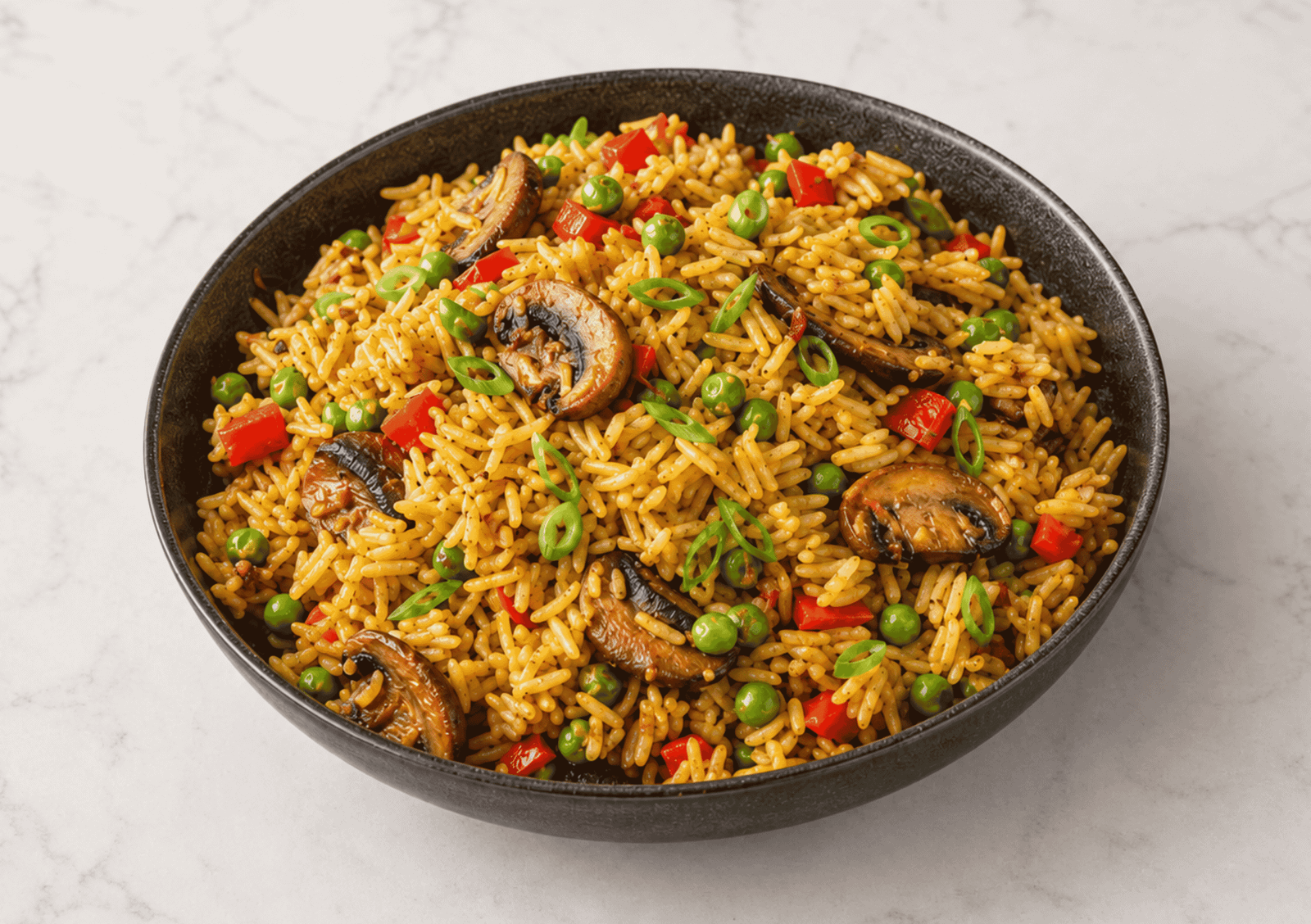
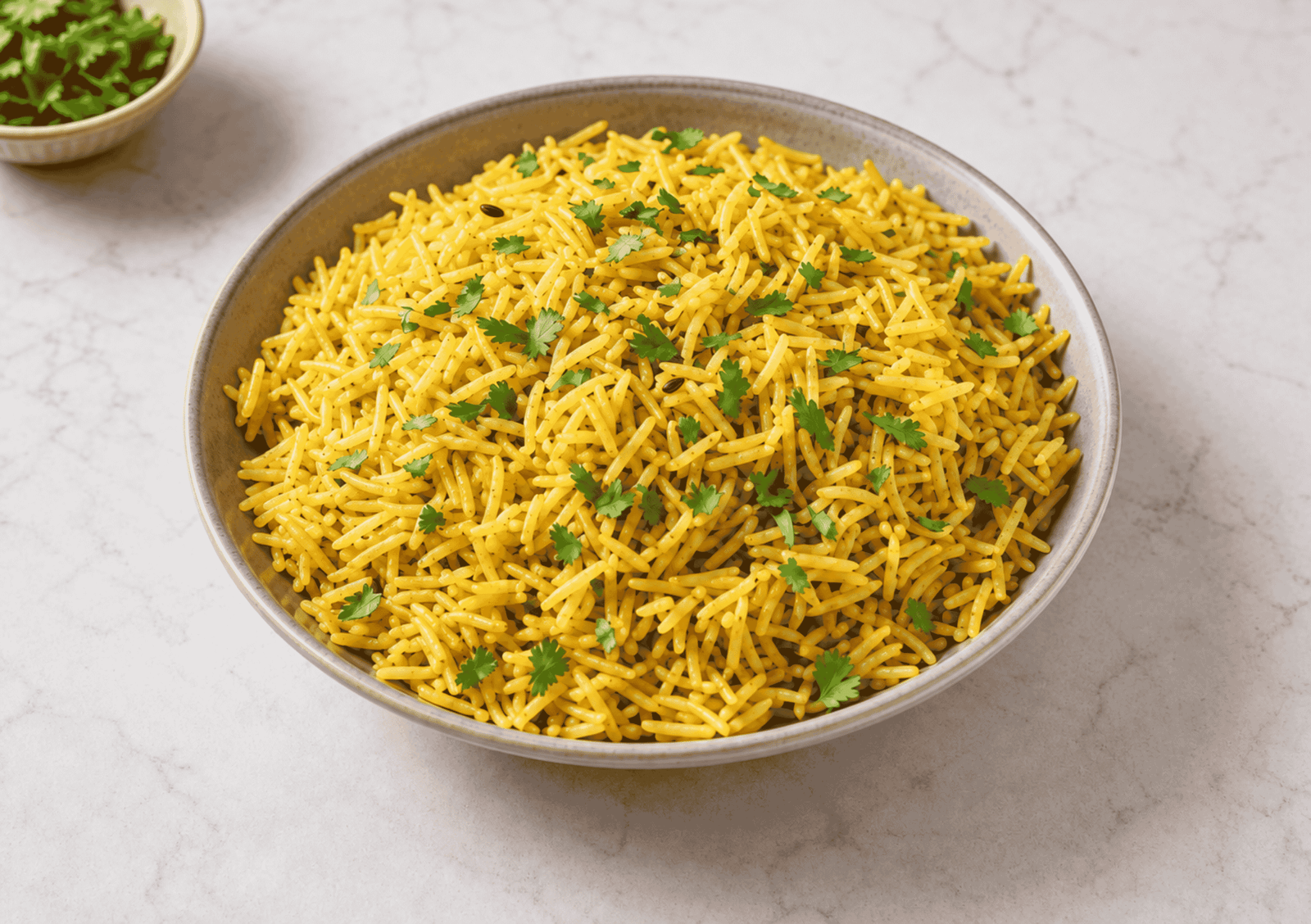
This curry house pilau rice has separate basmati grains, a warm golden colour and the gentle aroma of whole spices infused in ghee. It is designed as a dependable side for British Indian Restaurant style curries, from creamy Chicken Korma to hotter Chicken Madras and Lamb Vindaloo.
The method matters as much as the ingredients. Rinsing removes loose starch, soaking helps the grains cook evenly, and a covered rest allows the remaining moisture to settle before the rice is fluffed. The result should be fragrant and savoury without competing with the curry beside it.
What Is Pilau Rice?
Pilau rice is basmati cooked with fat, aromatics and spices rather than boiled in plain water. There are many established regional versions, ranging from simple spiced rice to elaborate dishes containing meat, vegetables, nuts or dried fruit.
This recipe focuses on the lighter style commonly served in British curry houses. Whole cardamom, cinnamon, cloves, cumin, peppercorns and bay leaves perfume the rice, while turmeric provides its familiar yellow colour.
Pilau rice is sometimes described as jeera rice because cumin is prominent in both. They overlap, but jeera rice may be simpler and more strongly centred on cumin, whereas this version uses a broader whole-spice mixture.
Which Rice Is Best for Pilau Rice?
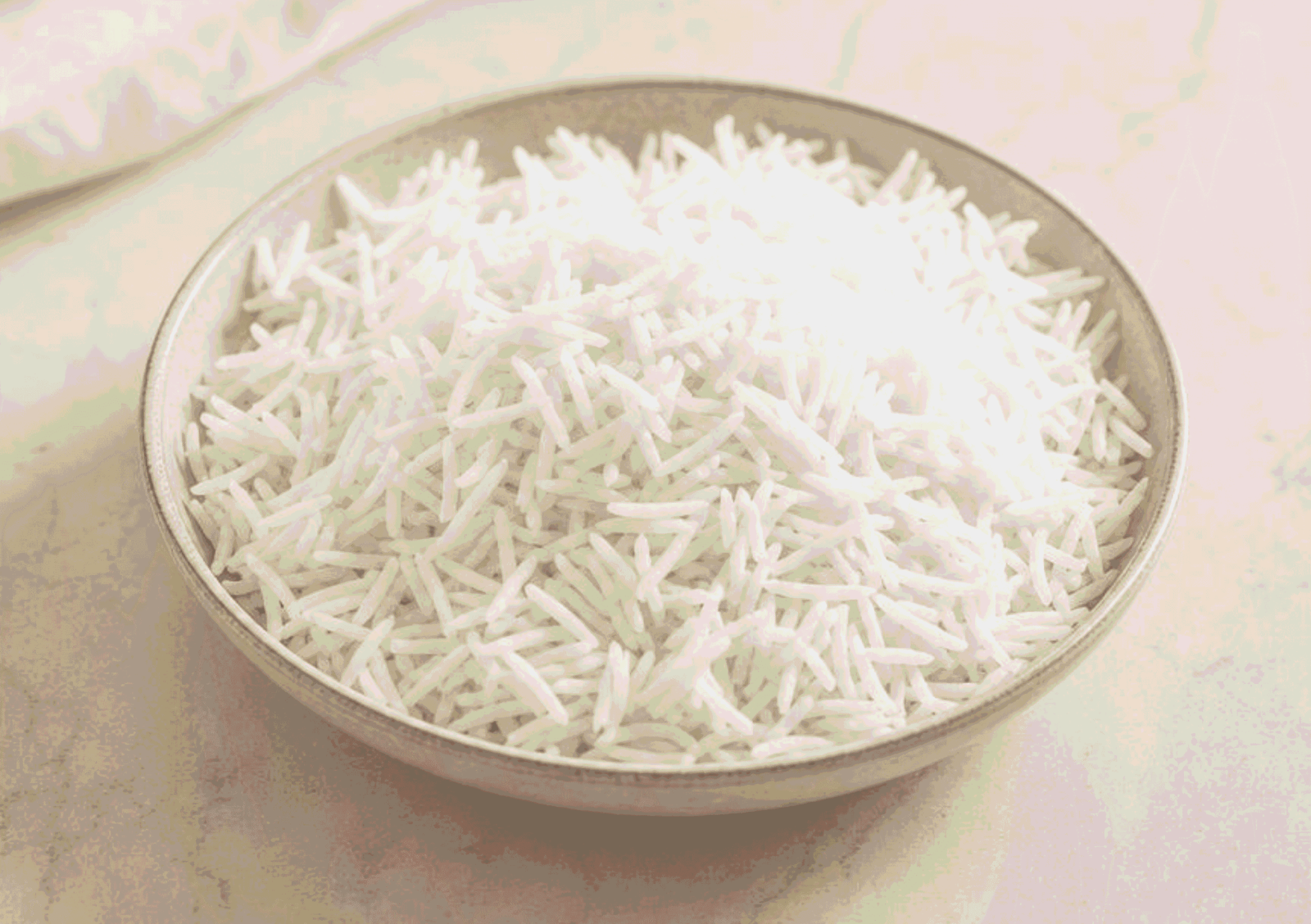
Use good quality aged basmati rice with long, slender grains. Aged rice contains less moisture than newly harvested rice, so the grains tend to stay firmer and more separate when cooked correctly.
Avoid easy cook or parboiled long grain rice for this method because it absorbs water differently and has a different texture. Brown basmati also needs considerably more liquid and a longer cooking time, so it is not a direct substitute.
Measure the rice by weight for consistent results. Cups vary, and the amount held in one cup changes according to the grain size and how densely it is filled.
Why Rinse and Soak Basmati Rice?
Rinsing washes away surface starch that can make cooked rice sticky. Move the grains gently through several changes of cold water until the water is much clearer. It does not need to become perfectly transparent.
Soaking allows the grains to absorb some water before cooking. This helps them lengthen without requiring vigorous boiling, which can split the rice. A short soak is sufficient, although the rice can stand for longer in cool water if needed.
Drain it thoroughly before adding it to the pan. Water clinging to the rice changes the cooking ratio and can leave the finished pilau softer than intended.
Which Whole Spices Give Pilau Rice Its Flavour?
Cumin seeds provide the main savoury aroma. Green cardamom adds a light floral note, cinnamon brings warmth, and cloves contribute a deeper spice that should remain subtle.
Black peppercorns give gentle background heat rather than chilli like sharpness. Indian bay leaves have a cinnamon like fragrance, although ordinary bay leaves can be used when they are what you have.
Whole spices are fried briefly in ghee before the onion is added. This releases their aromatic oils, but the heat must be controlled because scorched cumin and cloves can make the entire pan bitter.
The cardamom pods, cinnamon, cloves, peppercorns and bay leaves are not normally eaten. Remove the larger pieces before serving where practical, and let diners know that whole spices may remain in the rice.
What Is the Correct Rice to Water Ratio?
Soaked basmati needs less cooking water than rice added straight from the packet. The measured ratio in the recipe card is calibrated for thoroughly drained basmati, although the saucepan, strength of the hob and rice brand can still affect absorption slightly.
Keep the lid tightly closed during cooking so steam cannot escape. If your lid is loose, place a sheet of foil beneath it before cooking, taking care to keep the foil away from the flame or heating element.
Do not add extra water simply because the surface looks dry near the end. Moisture remains beneath the rice, and the covered resting period finishes the cooking gently.
How to Make Curry House Pilau Rice
Rinse and soak the basmati before you begin cooking. Use a medium saucepan with a close fitting lid and enough room for the grains to expand. Have the hot water measured and ready so the pan does not sit unattended after the rice is coated in ghee. See the recipe card at the bottom for exact quantities and printable directions
Ingredients You Will Need
- Basmati rice
- Ghee or rapeseed oil
- Cumin seeds
- Green cardamom pods
- Cinnamon stick
- Whole cloves
- Black peppercorns
- Indian bay leaves
- Brown onion
- Ground turmeric
- Fine sea salt
- Freshly boiled water
- Fresh coriander, optional
Cooking Instructions
Put the basmati in a bowl and cover it with cold water. Move the grains gently with your fingers, drain the cloudy water and repeat until it is much clearer. Cover with fresh water and leave the rice to soak.
Drain the soaked rice in a fine sieve and leave it for several minutes. Removing excess water helps preserve the intended rice to water ratio.
Heat the ghee or rapeseed oil in a saucepan over medium heat. Add the cumin seeds, cardamom, cinnamon, cloves, peppercorns and bay leaves. Stir briefly until the cumin is sizzling and the spices smell aromatic, without allowing them to darken heavily.
Add the finely chopped onion and salt. Cook gently, stirring several times, until the onion is soft and translucent. Keep it pale because strongly browned onion changes the colour and flavour of this style of pilau.
Stir in the turmeric, then immediately add the drained rice. Fold carefully until the grains are evenly coloured and lightly coated with the spiced ghee. Avoid vigorous stirring because soaked basmati breaks easily.
Pour in the freshly boiled water and stir once to distribute the rice. Bring the pan back to a gentle boil, then immediately reduce the heat to its lowest setting and fit the lid tightly.
Cook without lifting the lid until the water has been absorbed. Remove the pan from the heat and leave it covered so the steam can finish settling through the grains.
Lift the lid and allow excess steam to escape briefly. Remove the bay leaves and larger whole spices where practical, then fluff the rice gently with a fork. Fold through the optional coriander and serve hot.
Why Should the Rice Rest After Cooking?
Rice at the bottom of the pan finishes absorbing moisture before the grains at the top. Resting off the heat allows this moisture to redistribute, giving a more even texture from top to bottom.
Fluffing immediately can crush grains that are still soft from steam. Leave the lid closed for the full resting time, then use a fork or thin spatula to lift and separate rather than stirring in circles.
If the rice will not be served straight away, keep it covered for only a short period. Serve it hot, or cool it rapidly for safe storage rather than leaving it warm at room temperature.
Troubleshooting
Why is my pilau rice sticky?
The rice may not have been rinsed sufficiently, it may have carried too much soaking water into the pan, or too much cooking water was used. Spread freshly cooked rice gently across a warm serving dish for a minute so excess steam can escape, but do not keep stirring it.
Why is the rice still hard?
The heat may have been too low before the pan reached a boil, or steam may have escaped through a loose lid. Sprinkle over a small amount of freshly boiled water, cover tightly and cook on the lowest heat for a few more minutes before resting again.
Why is the bottom burnt?
The hob was probably too hot after the lid was fitted, or the pan has a very thin base. Move the unburnt rice to another dish without scraping the bottom. Next time, use the smallest burner, the lowest heat and a heavy based saucepan.
Why does the rice taste bitter?
The whole spices or turmeric may have scorched. Infuse the whole spices only until fragrant, add the onion promptly and stir in the turmeric immediately before the rice.
Variations and Substitutions
Rapeseed oil can replace ghee for a dairy free pilau. Ghee gives a rounder, buttery aroma, but the rinsing, soaking and steaming technique remains the same.
Ordinary bay leaves can replace Indian bay leaves, although their flavour is more herbal and less cinnamon like. Use fewer cloves if you prefer a gentler spice profile, as clove can dominate the rice quickly.
For naturally brighter rice, increase the turmeric only slightly. Too much adds bitterness and an earthy taste. Curry houses sometimes use food colouring, but it is not needed for this golden homemade version.
Frozen peas may be folded through after cooking once they have been heated separately. Adding them at the beginning can alter the water temperature and make the cooking time less predictable.
What to Serve with Pilau Rice
Pilau rice works particularly well with saucy curries because the separate grains absorb gravy without becoming heavy. Serve it with Chicken Tikka Masala, Chicken Korma, Chicken Madras, Lamb Rogan Josh, Lamb Bhuna or Saag Paneer.
For a larger meal, add Tarka Dhal, Bombay Potatoes, naan and a fresh cucumber raita. Red Onion Chutney, Mango Chutney and Coriander and Mint Chutney can be served separately so diners can adjust sweetness, sharpness and heat.
How to Store and Reheat Pilau Rice Safely
Cooked rice needs faster cooling than many other leftovers. If it will not be eaten immediately, divide it between shallow containers or spread it across a clean tray so it cools quickly. Refrigerate or freeze it as soon as possible, ideally within one hour.
Keep refrigerated rice for no more than 24 hours. Reheat it only once and make sure it is steaming hot throughout. A microwave works well when the rice is covered loosely and stirred partway through so there are no cold pockets.
Frozen rice should be cooled promptly before freezing. Defrost it in the fridge, then reheat until steaming hot and serve immediately. Do not leave cooked rice at room temperature while preparing the rest of the meal.

Curry House Pilau Rice
Ingredients
- 300 g basmati rice
- 30 g ghee or 30ml rapeseed oil
- 1 teaspoon cumin seeds
- 5 green cardamom pods lightly bruised
- 1 cinnamon stick approximately 5cm
- 5 whole cloves
- 8 black peppercorns
- 2 Indian bay leaves
- 100 g brown onion finely chopped
- 1 teaspoon ground turmeric
- 1 teaspoon fine sea salt
- 450 ml freshly boiled water
- 2 tablespoons finely chopped fresh coriander optional
Instructions
- Put the rice in a bowl and wash it in several changes of cold water until the water is much clearer. Cover with fresh cold water and soak for 30 minutes.
- Drain the rice through a fine sieve and leave it for 5 minutes so excess water can run off.
- Heat the ghee or oil in a medium heavy based saucepan over medium heat. Add the cumin, cardamom, cinnamon, cloves, peppercorns and bay leaves. Stir for 30 seconds, until aromatic.
- Add the onion and salt. Cook for 4 to 5 minutes, stirring regularly, until soft and translucent but not browned.
- Stir in the turmeric, then add the drained rice. Fold gently for 1 minute until the grains are coated with the spiced ghee.
- Pour in 450ml freshly boiled water and stir once. Bring to a gentle boil, immediately reduce the heat to its lowest setting and cover with a tight fitting lid.
- Cook without lifting the lid for 10 minutes. Remove from the heat and leave covered for another 10 minutes.
- Uncover and let the excess steam escape for 1 minute. Remove the bay leaves and larger whole spices where practical, fluff gently with a fork and fold through the optional coriander.