

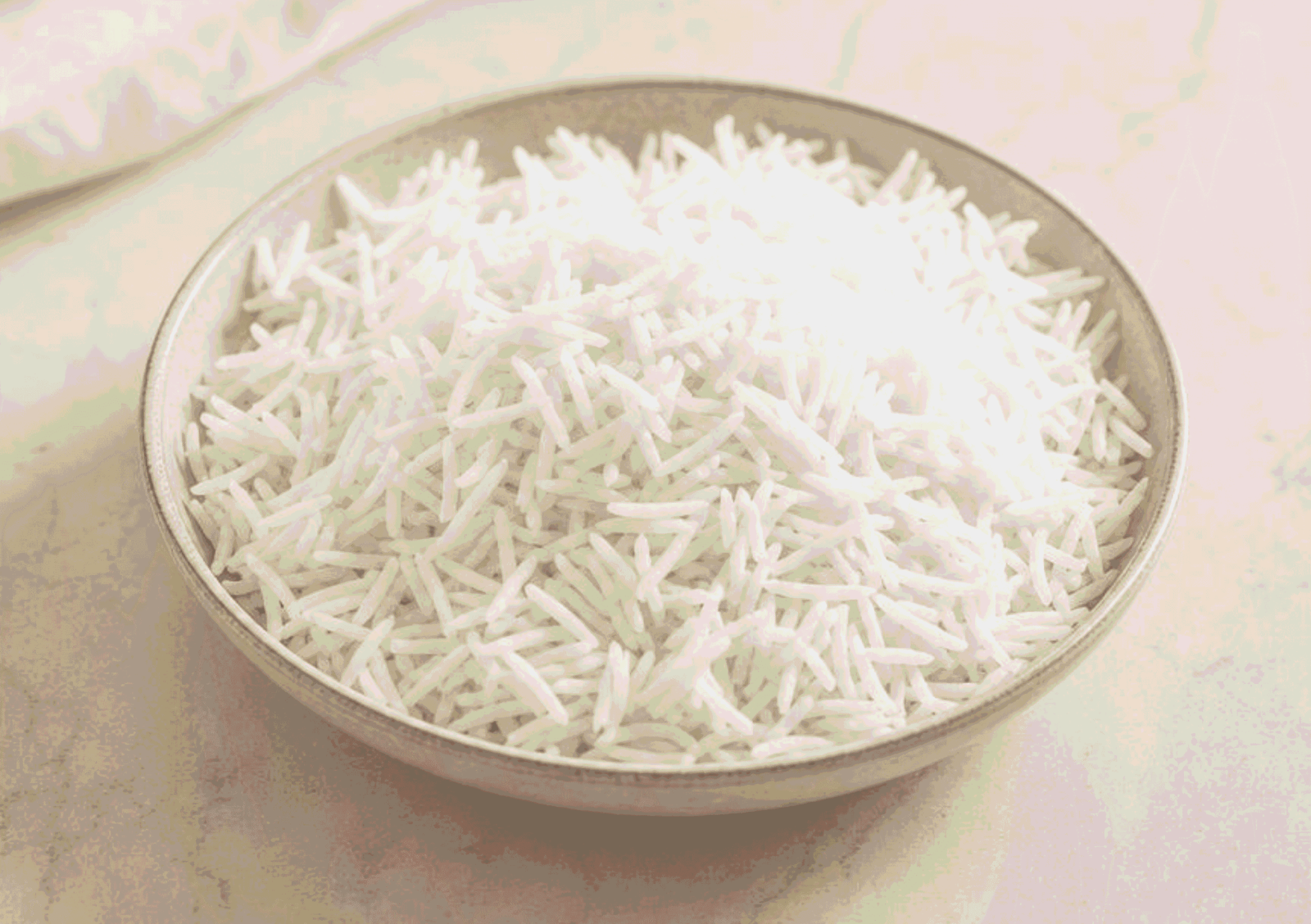
Perfect White Basmati Rice
Perfect white basmati rice should be light, fragrant and properly separate, with long grains that are tender all the way through. It sounds like the simplest part of a curry night, yet small details make an enormous difference. Too much water leaves it heavy and clumped together, while too little can give you a soft surface and a stubbornly firm centre.
This is my dependable absorption method recipe for homemade basmati rice. Rinsing removes excess surface starch, a short soak helps the grains cook evenly, and a gentle rest finishes the job without constant checking. Once you know what each stage is doing, there is no need to rely on boil in the bag rice or guesswork.
Serve it with a saucy curry, spoon over a rich dhal or use it as the base for a simple rice bowl. The flavour is deliberately clean and understated, which is exactly what you want when the main dish deserves the attention.
What Is White Basmati Rice?
Basmati is an aromatic long grain rice traditionally associated with the Indian subcontinent. The word is often translated as fragrant, which makes sense as soon as a good batch begins to steam. Cooked correctly, the grains lengthen and remain distinct rather than becoming sticky.
Plain white basmati rice is different from pilau rice. Pilau usually contains whole spices, fat and sometimes colouring, while white rice is intentionally simple. It acts as a calm, fluffy partner to strongly seasoned curries and lets their sauce soak into the grains.
Which Basmati Rice Is Best?
Choose a good quality basmati if you can. Ageing reduces moisture within the grain, helping the rice cook up longer, firmer and more separate. The uncooked grains should look slender and fairly uniform, without a large amount of broken rice at the bottom of the bag.
Different brands absorb water at slightly different rates. The recipe card ratio is a reliable starting point for standard white basmati, but it is worth using the same brand once you find one you like. Brown basmati is not a direct substitute because it needs substantially more water and a longer cooking time.
Why Should You Rinse Basmati Rice?
Dry rice carries loose starch from processing and from the grains rubbing together in the packet. If that starch goes straight into the pan, it thickens the cooking water and encourages the grains to cling to one another.
Rinse the rice in several changes of cold water, moving it gently with your fingers each time. The first bowlful will look cloudy. Continue until the water is much clearer, but do not scrub or squeeze the grains because wet basmati is easy to break.
Does Basmati Rice Need to Be Soaked?
You can cook basmati without soaking, but soaking makes this method more forgiving. The grains begin absorbing water before they meet the heat, so they cook more evenly and are less likely to split before their centres soften. They also tend to lengthen more attractively.
Drain soaked rice thoroughly. Water clinging to the grains becomes part of the cooking liquid, so tipping rice straight from a full bowl of water into the pan can upset the balance.
Choosing the Right Pan
Use a medium saucepan with a heavy base and a lid that fits closely. A thin pan can create a hot spot beneath the rice, while a loose lid allows too much steam to escape. The pan should leave enough headroom for the rice to expand, but should not be so wide that the water evaporates before the grains have cooked.
A clear lid is helpful because you can see what is happening without lifting it. If your lid is loose, place a clean sheet of foil between the pan and lid before cooking, folding the edges away from the flame.
How to Make Perfect White Basmati Rice
Rinse the rice until the water is nearly clear, soak it, then drain it well. Bring it to a controlled simmer with fresh water, salt and a little ghee if you like. Finish the rice over the lowest heat and leave it covered to rest before fluffing. Keeping the lid closed traps the steam needed to cook the grains evenly. See the recipe card at the bottom for exact quantities and printable directions
Ingredients You Will Need
- White basmati rice
- Fresh cold water
- Fine sea salt
- Ghee or neutral oil, optional
Cooking Instructions
Put the rice in a bowl and cover it generously with cold water. Move the grains gently with your fingertips, then drain away the cloudy water. Repeat with fresh water until it looks almost clear.
Cover the rinsed rice with fresh cold water and leave it to soak. Tip it into a fine mesh sieve and allow it to drain thoroughly without shaking or pressing the grains.
Transfer the rice to a heavy based saucepan. Add the measured fresh water from the recipe card, along with the salt and optional ghee or oil. Bring it to a boil over a medium to high heat without stirring.
As soon as the surface is bubbling, stir once very gently to make sure no grains are caught on the base. Fit the lid, reduce the heat to its lowest setting and let the rice cook undisturbed. Do not lift the lid, as the trapped steam is part of the cooking process.
When the cooking time is complete, remove the pan from the heat and leave it covered. This resting stage allows the moisture to distribute through the rice and gently finishes any grains that are still slightly firm.
Lift the lid and use a fork to loosen the rice from the edges towards the centre. Separate the grains with a light lifting motion rather than beating or stirring them. Serve straight away.
Why Does the Rice Need to Rest?
Rice continues cooking in its own steam after the heat is switched off. During this pause, moisture moves from wetter areas of the pan into drier grains. The texture becomes more even and the bottom layer releases more readily.
Lifting the lid early lets that steam escape. Fluffing immediately can also damage grains that are still fragile, so patience here is more useful than any special equipment.
How to Stop Basmati Rice Sticking
Rinsing is the first defence against sticky rice, but water control is just as important. Measure the cooking water rather than estimating it by eye, and drain the soaked rice properly. Once the pan is covered, resist the urge to stir. Agitation releases more starch and can break the softened grains.
A small amount of ghee or oil helps the grains separate and adds a subtle sheen, but it is optional. Proper rinsing, the correct water level and resting will still give good results without added fat.
Troubleshooting White Rice
Why Is My Rice Mushy?
The most likely causes are excess water, insufficient draining after soaking or cooking over heat that is too low to establish a simmer. Use the recipe card measurements and bring the water to a clear boil before reducing the heat. Avoid stirring repeatedly, which damages the grains and makes the rice seem even softer.
Why Is My Rice Still Hard?
The lid may have allowed steam to escape, or the heat may have been switched off too soon. Sprinkle over a small splash of boiling water, cover tightly and return the pan to the lowest heat briefly. Rest it again before checking.
Why Has the Bottom Burnt?
The heat was probably too high, or the pan base was too thin. On an electric hob, move the covered pan to a fresh ring set to low once the water boils, as the original ring can retain fierce heat. A heat diffuser can also help with an especially powerful gas burner.
Why Are the Grains Broken?
Basmati becomes delicate after soaking. Rough washing, vigorous stirring and forceful fluffing can all split it. Handle the rice with your fingertips while rinsing and use a fork to lift, rather than mash, the cooked grains.
Useful Variations
- Dairy free: Use neutral oil or leave the fat out entirely.
- Buttery rice: Replace the ghee with unsalted butter for a softer dairy flavour.
- Subtle fragrance: Add a lightly crushed green cardamom pod or a small piece of cassia bark before cooking, then remove it before serving.
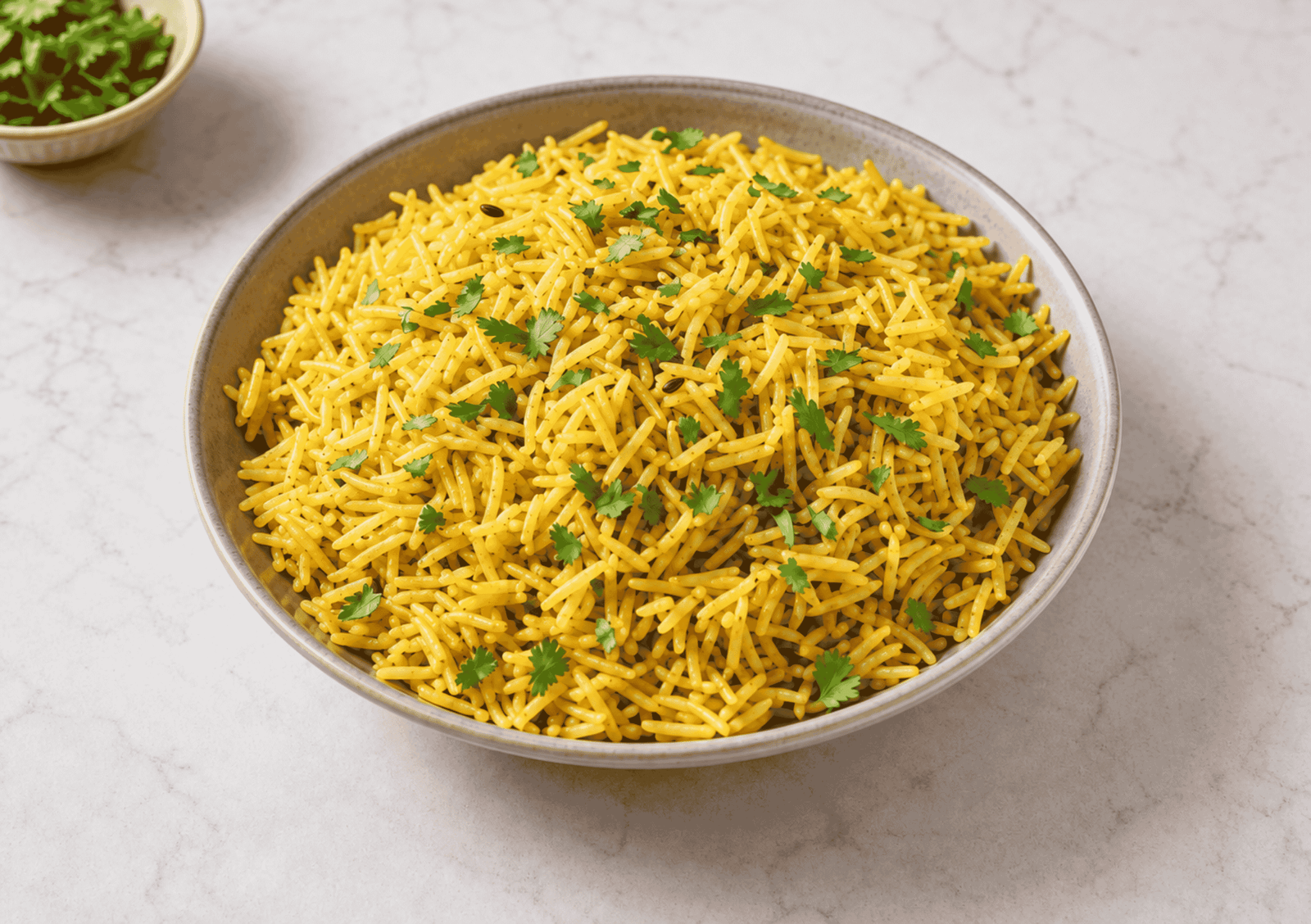
- Golden rice: Add a small pinch of turmeric to the cooking water. This changes the colour and adds a faint earthy note, so use it only when it suits the accompanying dish.
- Fresh finish: Fold through chopped coriander after resting. Do not add it during cooking because the leaves lose their fresh flavour.
What to Serve with White Basmati Rice
This rice is especially useful with curries that provide plenty of sauce. Try it with:
- Chicken tikka masala
- Chicken madras
- Lamb rogan josh
- Chicken dhansak
- Saag paneer
- Tarka dhal
- Lamb bhuna
- Prawn pathia
For a complete curry house meal, add naan, onion bhajis, cucumber raita and red onion chutney.
Can You Make Basmati Rice Ahead?
Rice is at its best when freshly cooked, but you can prepare it ahead if you cool and store it correctly. Spread leftovers in a shallow container or divide them into small portions so they lose heat quickly. Refrigerate promptly and eat within 24 hours.
Reheat rice only once and make sure it is steaming hot throughout. A microwave works well: add a small splash of water, cover loosely and stir partway through so there are no cold patches. You can also reheat it in a covered saucepan over a low heat.
Cooked rice can be frozen in portions once cooled quickly. Defrost it in the fridge, then reheat until steaming hot and eat immediately.

Perfect White Basmati Rice
Ingredients
- 300 g white basmati rice
- 450 ml fresh cold water for cooking
- 3/4 teaspoon fine sea salt
- 2 teaspoons ghee or neutral oil optional
- Additional cold water for rinsing and soaking
Instructions
- Put the rice in a large bowl and cover generously with cold water. Swirl it gently with your fingers, drain and repeat 5 to 7 times, until the water is almost clear.
- Cover the rinsed rice with fresh cold water and soak for 30 minutes.
- Drain through a fine mesh sieve and leave for 5 minutes so excess water can run off.
- Tip the rice into a medium heavy based saucepan. Add 450ml fresh cold water, the salt and the ghee or oil, if using.
- Bring to a full boil over a medium high heat. Stir once gently, fit a tight lid and immediately reduce the heat to its lowest setting.
- Cook for 10 minutes without lifting the lid. Remove from the heat and leave covered for 10 minutes.
- Lift the lid and check a grain. If it is still firm at the centre, sprinkle over 1 tablespoon boiling water, cover and place over the lowest heat for 2 more minutes, then rest for 5 minutes.
- Fluff gently with a fork, using a lifting motion to separate the grains, and serve immediately.
Notes
Nutrition
Frequently Asked Questions
Can I use long grain rice instead of basmati?
You can, but the aroma, grain length and water needs may differ. Follow the packet guidance for an unfamiliar variety rather than assuming it will behave exactly like basmati.
Can I double the recipe?
Yes, provided you use a pan with enough room for expansion and a tight lid. A larger quantity may take a little longer to reach the boil, but the low heat cooking time should remain close to the recipe. Check doneness after the covered rest.
Should I use hot or cold water?
Start with cold water for this method. It gives the soaked grains time to heat gradually and makes the stated timing easier to repeat.
Do I need a rice cooker?
No. A heavy based saucepan and a reliable lid are all you need. If you prefer a rice cooker, use its white rice programme and the manufacturer’s liquid guidance because machines manage evaporation differently.
Is white basmati rice gluten free?
Plain basmati rice is naturally gluten free. If you are cooking for someone with coeliac disease, check packaged seasonings and prevent cross contamination in the kitchen.



One Comment