Homemade Garam Masala
Garam masala is the fragrant finishing blend that gives many curries their final layer of warmth. Unlike curry house mixed powder, which provides an earthy base during cooking, garam masala is used more sparingly so its cardamom, cassia, clove and pepper aromas remain noticeable.
This homemade version is balanced for both British curry house recipes and South Asian home cooking. The spices are gently toasted in stages, cooled and ground into a fine powder. The batch is deliberately modest because garam masala is at its best while the aroma is still fresh.
What Is Garam Masala?
Garam masala is a blend of warming spices used across South Asian cooking. There is no single fixed recipe. The ingredients and proportions change between regions, households, restaurants and the dishes in which the blend will be used.
The word garam refers to warmth rather than chilli heat. Black pepper may bring a gentle prickle, but this should not behave like chilli powder. Its character comes from aromatic spices such as cardamom, cassia and cloves, supported by the earthiness of cumin and coriander.
For this all purpose version, fennel and mace add sweetness without making the blend overly perfumed. It works in curry house sauces, meat and vegetable curries, lentil dishes, biryani and marinades.
Garam Masala Ingredients and Their Flavour
- Coriander seeds give the blend a light, citrusy base and prevent the stronger spices from dominating.
- Cumin seeds provide earthy warmth and a savoury quality that works particularly well in curries and lentil dishes.
- Black peppercorns add warmth and a clean, peppery finish without turning the mixture into a hot spice blend.
- Fennel seeds bring mild sweetness and soften the sharper notes of clove and pepper.
- Green cardamom seeds supply a fresh, floral aroma. Only the seeds are used because the papery pods dilute the flavour and can leave fibrous pieces.
- Cassia bark has a deeper, stronger flavour than delicate Ceylon cinnamon and suits a robust all purpose masala.
- Cloves are powerful and slightly medicinal when overused, so a small measured quantity is enough.
- Mace adds a warm, gently sweet fragrance that connects the cardamom, cassia and pepper.
- Indian bay leaf is optional, but it contributes a mild woody note. Indian bay has a different flavour from the European bay leaves commonly sold in supermarkets.

Is Garam Masala the Same as Mixed Powder?
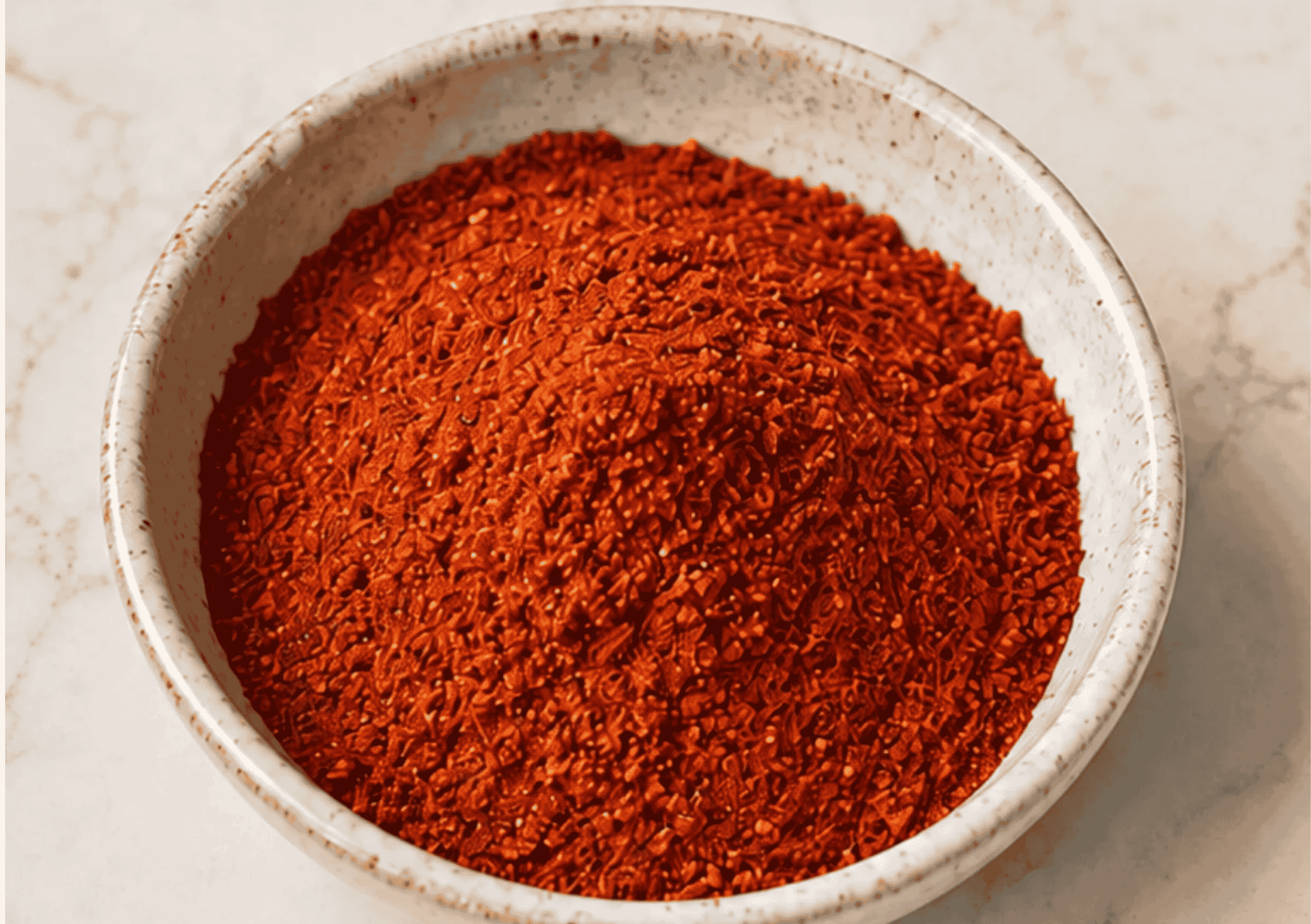
No. Curry House Mixed Powder contains turmeric, paprika and curry powder and is normally added earlier in a British curry house recipe. It builds the main savoury spice foundation and also contributes colour.
Garam masala is darker, more aromatic and usually contains no turmeric or paprika. It is often added towards the end of cooking, although a recipe may use a small amount earlier as well. The two blends complement one another, but substituting one for the other changes both the flavour and colour of the dish.
Should I Toast the Spices Together or Separately?
Whole spices vary in size and oil content, so they do not all toast at the same speed. Small cloves and cardamom seeds can catch before larger coriander seeds and pieces of cassia are fully warmed.
For reliable results, this recipe toasts them in two groups. Coriander, cumin, fennel, peppercorns, cassia and bay leaf go into the pan first. Cardamom seeds, cloves and mace follow for the final minute. This adds very little work and reduces the chance of scorching the more delicate spices.
The aim is gentle heat, not dark colour. Remove the pan as soon as the mixture smells fragrant. If you see smoke, the pan is too hot and the spices are beginning to burn.
Do I Need to Remove the Cardamom Seeds?
Yes, it is worth opening the green cardamom pods and using the small dark seeds inside. The outer husks have little flavour and can make a fine blend difficult to achieve.
Lightly press each pod with the flat side of a knife, open it and tip out the seeds. Measure the seeds rather than the whole pods for accuracy. Depending on their size, you will need roughly 20 to 25 green cardamom pods to obtain 5g of seeds.
How Fine Should Garam Masala Be Ground?
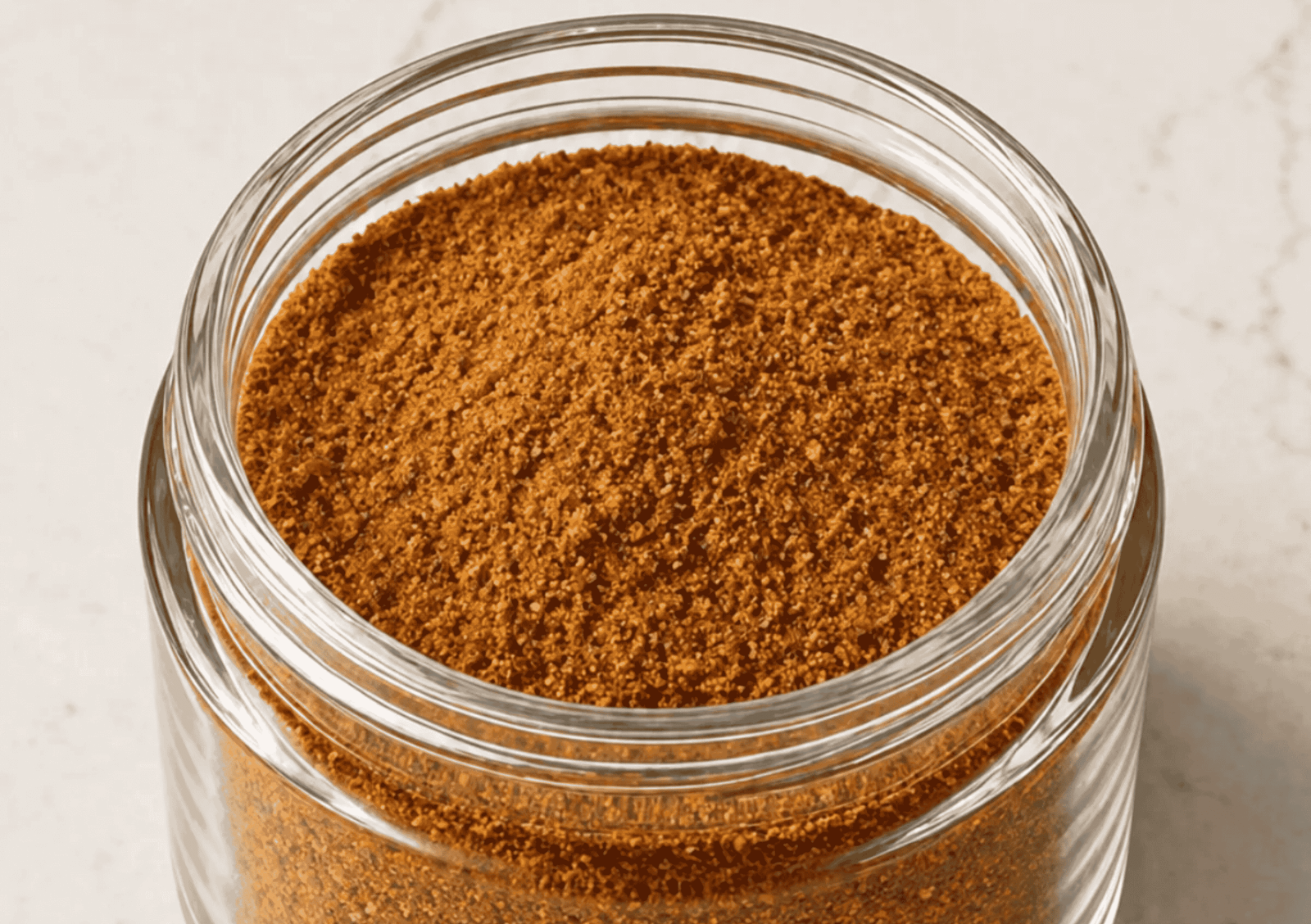
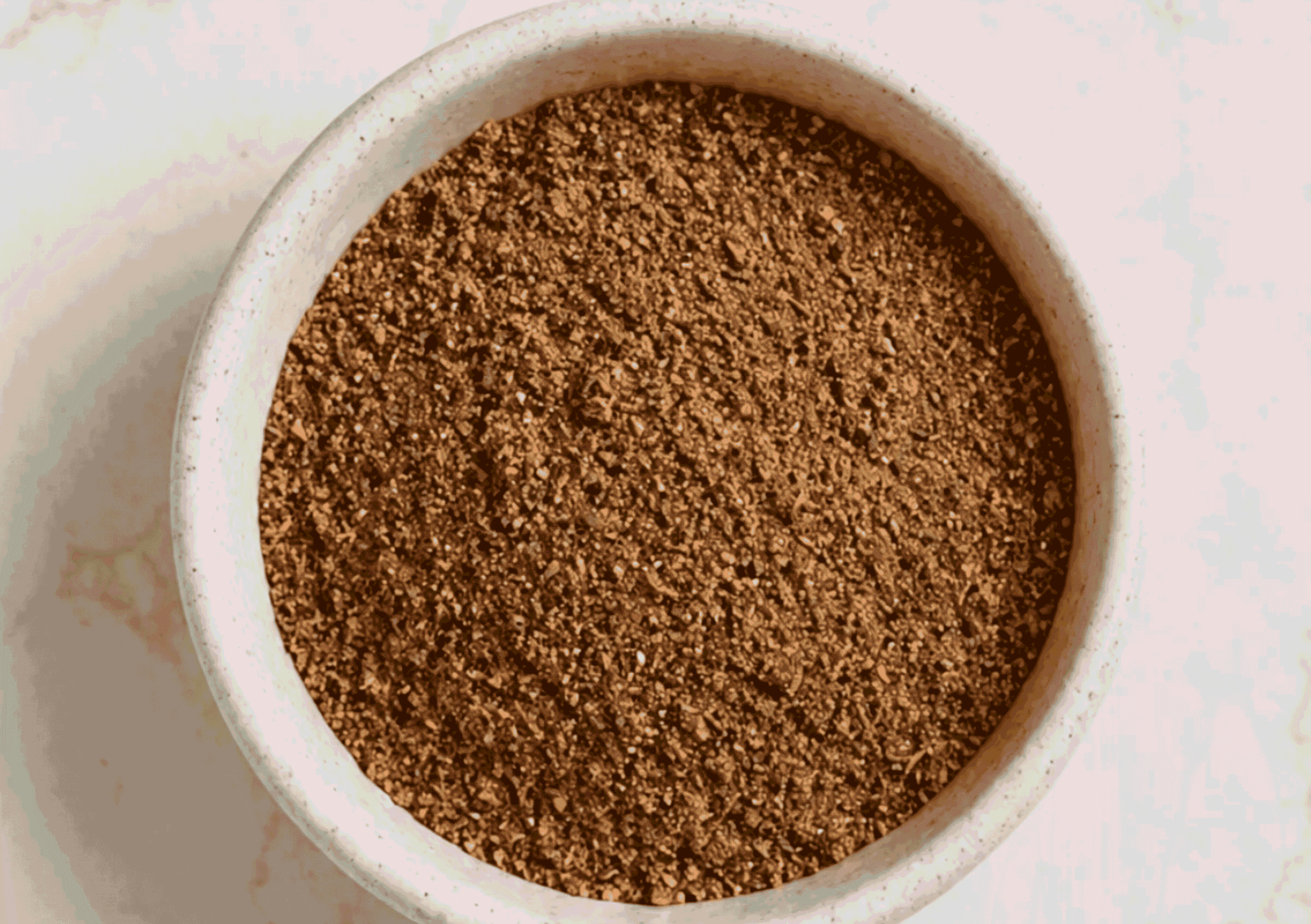
A fine powder disperses evenly through curry house sauces and is the most versatile choice for this recipe. Grind the cooled spices in short bursts, then allow the dust to settle before opening the grinder.
If you prefer a slightly coarse blend for slow cooked meat or lentils, stop sooner. For a very fine result, pass the powder through a small sieve and return any larger pieces to the grinder. A dedicated electric spice grinder is quickest, but a sturdy pestle and mortar also works in smaller batches.
How to Make Garam Masala
Making the blend is straightforward, but keep the heat moderate and cool the spices fully before grinding. Moisture trapped by warm spices can make the powder clump in its jar. See the recipe card at the bottom for printable directions
Ingredients
- 25g coriander seeds
- 18g cumin seeds
- 6g black peppercorns
- 5g fennel seeds
- 5g green cardamom seeds, removed from about 20 to 25 pods
- 5g cassia bark, broken into small pieces
- 3g whole cloves
- 2g mace blades
- 1 Indian bay leaf, optional
Instructions
- Open the green cardamom pods and measure 5g of the dark seeds. Discard the empty husks.
- Place a dry, heavy based frying pan over low to medium heat. Add the coriander, cumin, peppercorns, fennel, cassia and optional Indian bay leaf.
- Toast for 2 to 3 minutes, shaking the pan frequently, until the spices feel warm and smell fragrant. They should not smoke or become deeply coloured.
- Add the cardamom seeds, cloves and mace. Toast for a further 45 to 60 seconds, moving everything continuously.
- Tip the spices immediately onto a wide plate. Spread them out and leave for about 15 minutes, until completely cool.
- Break the crisp bay leaf and cassia into smaller pieces if necessary. Grind the mixture in batches until fine.
- Sieve if you want a particularly smooth powder, regrinding any coarse pieces. Transfer the garam masala to a clean, completely dry airtight jar and label it with the date.
How Much Garam Masala Should I Use?
For a curry serving four, start with ½ to 1 teaspoon near the end of cooking. Let it warm through for the final minute, then taste before adding more. Strongly flavoured meat curries may take a little extra, while delicate vegetable or creamy dishes usually need less.
Garam masala should support the dish rather than make every curry smell identical. When a Curry House Recipes article gives a specific amount, follow that measurement because the other seasonings have been balanced around it.
You can also add a small pinch to cooked lentils, pilau rice, spiced minced meat or a yoghurt marinade. Add it gradually. It is easy to increase but difficult to correct once cardamom and clove dominate.
When Should Garam Masala Be Added to a Curry?
Adding it during the final minute preserves the lighter aromas that disappear during prolonged cooking. Stir it through the sauce over low heat rather than sprinkling a raw mound over the plate.
Some recipes use garam masala earlier with the main ground spices. That is not wrong, particularly when the blend needs to season meat or a slow cooked sauce throughout. A useful approach is to add the recipe quantity during cooking, then finish with a small pinch if the curry needs more fragrance.
In British curry house cooking, do not fry garam masala in a very hot, dry pan. If it is added with mixed powder, have the tomato purée or British Curry House Base Sauce ready so the spices can be moistened before they scorch.
Can I Make Garam Masala with Ground Spices?
Yes. Ready ground spices make a quicker blend, although the result will generally be less aromatic than freshly toasted whole spices. Do not toast ground spices in a dry pan because their large surface area makes them easy to burn.
For a quick version, mix 4 teaspoons ground coriander, 3 teaspoons ground cumin, 1 teaspoon ground black pepper, ¾ teaspoon ground fennel, ¾ teaspoon ground cardamom, ½ teaspoon ground cassia or cinnamon, ¼ teaspoon ground cloves and ¼ teaspoon ground mace. Make a small batch and use it promptly.
Variations and Substitutions
- Cinnamon instead of cassia: Use the same weight of cinnamon stick for a softer, sweeter result.
- Without mace: Omit it if unavailable. A small grating of nutmeg can be used, but it produces a slightly different warmth.
- Without fennel: Leave it out for a less sweet blend. There is no need to replace it.
- Black cardamom: Add the seeds from one pod for a smokier blend suited to robust meat and lentil dishes. It is not included in the all purpose recipe because it can overpower mild curries.
- Indian bay leaf: Omit it if you only have European bay. They are not direct flavour substitutes in a spice blend.
Tips for Fragrant Garam Masala
Use a clean pan with no oil. Fat is unnecessary and would shorten the useful life of the stored powder.
Keep the pan moving and trust your nose more than the clock. The spices should become clearly fragrant but should not smell acrid or look charred.
Transfer them to a plate as soon as they are ready. Leaving spices in the hot pan means they continue cooking even after the heat is switched off.
Allow them to cool completely. Grinding while warm can release condensation and natural oils, leading to a damp, compacted powder.
Make a modest amount. Whole spices retain their character for longer than ground ones, so storing the ingredients whole and blending fresh batches gives a better result.
Why Does My Garam Masala Taste Bitter?
Burning is the usual cause. Discard any batch that smoked heavily or contains blackened seeds because the bitterness will carry into every curry. Lower the heat and shorten the second toasting stage when you try again.
Too much clove, mace or cassia can also make the blend harsh. Weigh these assertive spices rather than estimating large spoonfuls. If the finished mixture is only slightly too strong, blend in additional toasted coriander and cumin in the same proportion as the recipe.
How to Store Homemade Garam Masala
Once completely cool, store the powder in a small airtight jar in a cool, dark cupboard. Keep it away from steam, sunlight and the heat beside the hob, and always use a clean, dry spoon.
For the clearest aroma, use it within eight weeks. It will gradually become less fragrant rather than suddenly becoming unusable, provided it remains dry and shows no sign of spoilage. There is little benefit in refrigerating or freezing a small batch because repeatedly opening a cold container may introduce condensation.
Recipes That Use Garam Masala
This blend can be used in British Curry House Lamb Rogan Josh and many planned restaurant style recipes, including Lamb Bhuna, Chicken Tikka Masala, Chicken Jalfrezi, Chicken Dhansak and Chicken Chasni. It is also useful in biryani, chana masala, dhal and spiced rice.

Homemade Garam Masala
Ingredients
- 25 g coriander seeds
- 18 g cumin seeds
- 6 g black peppercorns
- 5 g fennel seeds
- 5 g green cardamom seeds removed from about 20 to 25 pods
- 5 g cassia bark broken into small pieces
- 3 g whole cloves
- 2 g mace blades
- 1 Indian bay leaf optional
Instructions
- Open the cardamom pods, remove the dark seeds and measure 5g. Discard the husks.
- Heat a dry, heavy based frying pan over low to medium heat. Add the coriander, cumin, peppercorns, fennel, cassia and optional Indian bay leaf.
- Toast for 2 to 3 minutes, shaking frequently, until warm and fragrant but not smoking.
- Add the cardamom seeds, cloves and mace. Toast for another 45 to 60 seconds, moving the spices continuously.
- Tip everything onto a wide plate and leave for about 15 minutes, until completely cool.
- Grind to a fine powder in batches. Sieve and regrind any coarse pieces if preferred.
- Transfer to a clean, dry airtight jar. Label and store in a cool, dark cupboard.