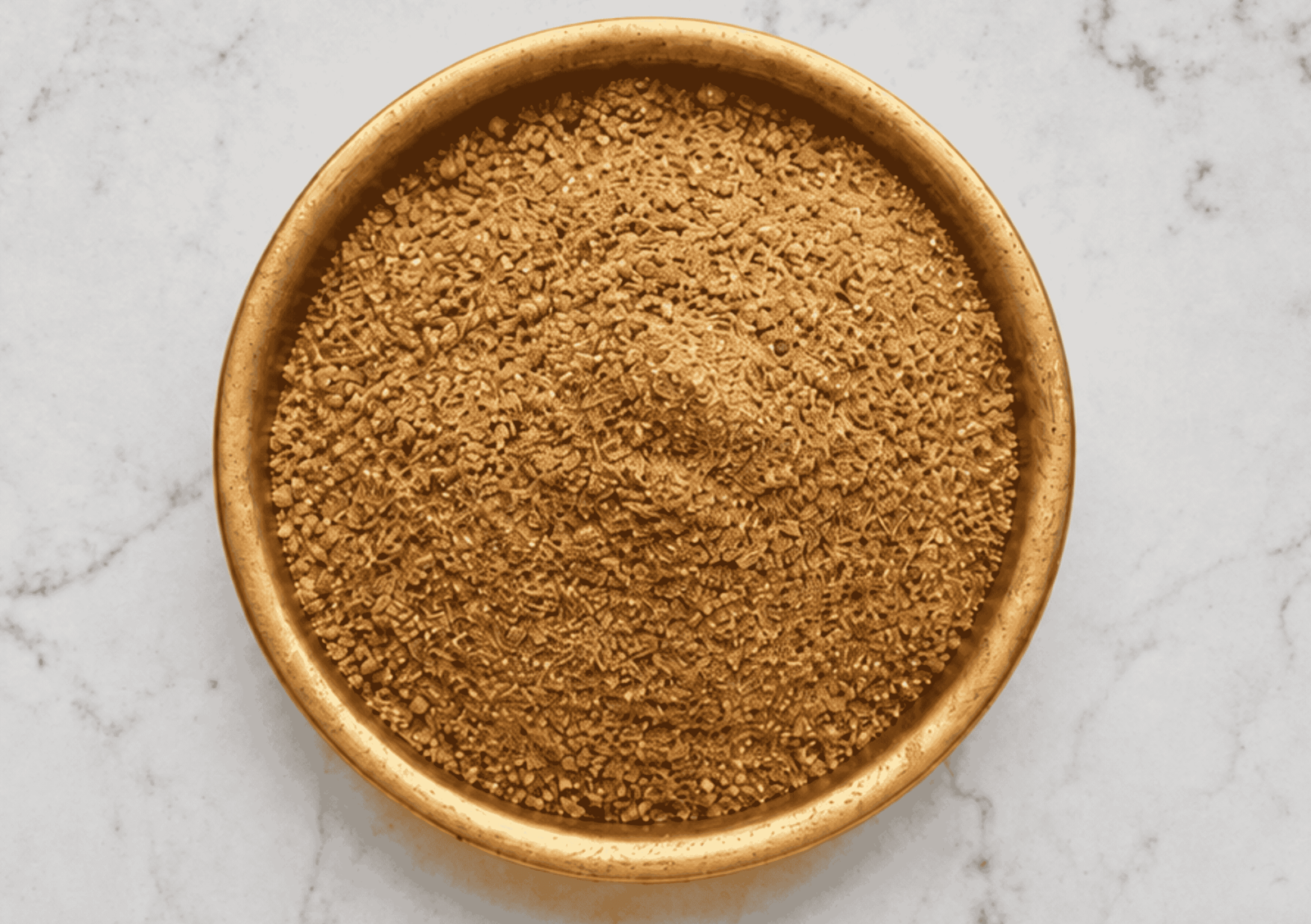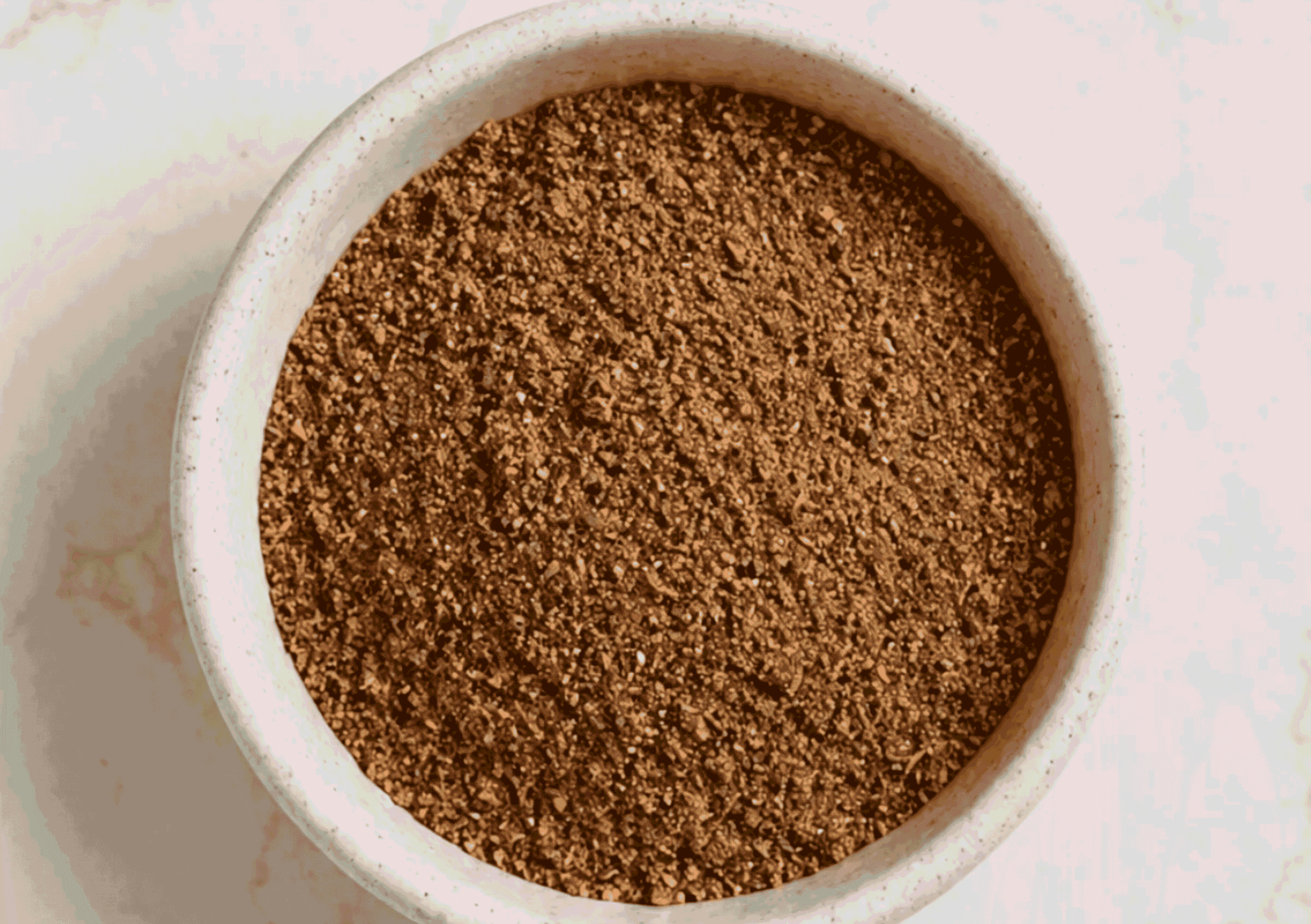
Homemade Tandoori Masala
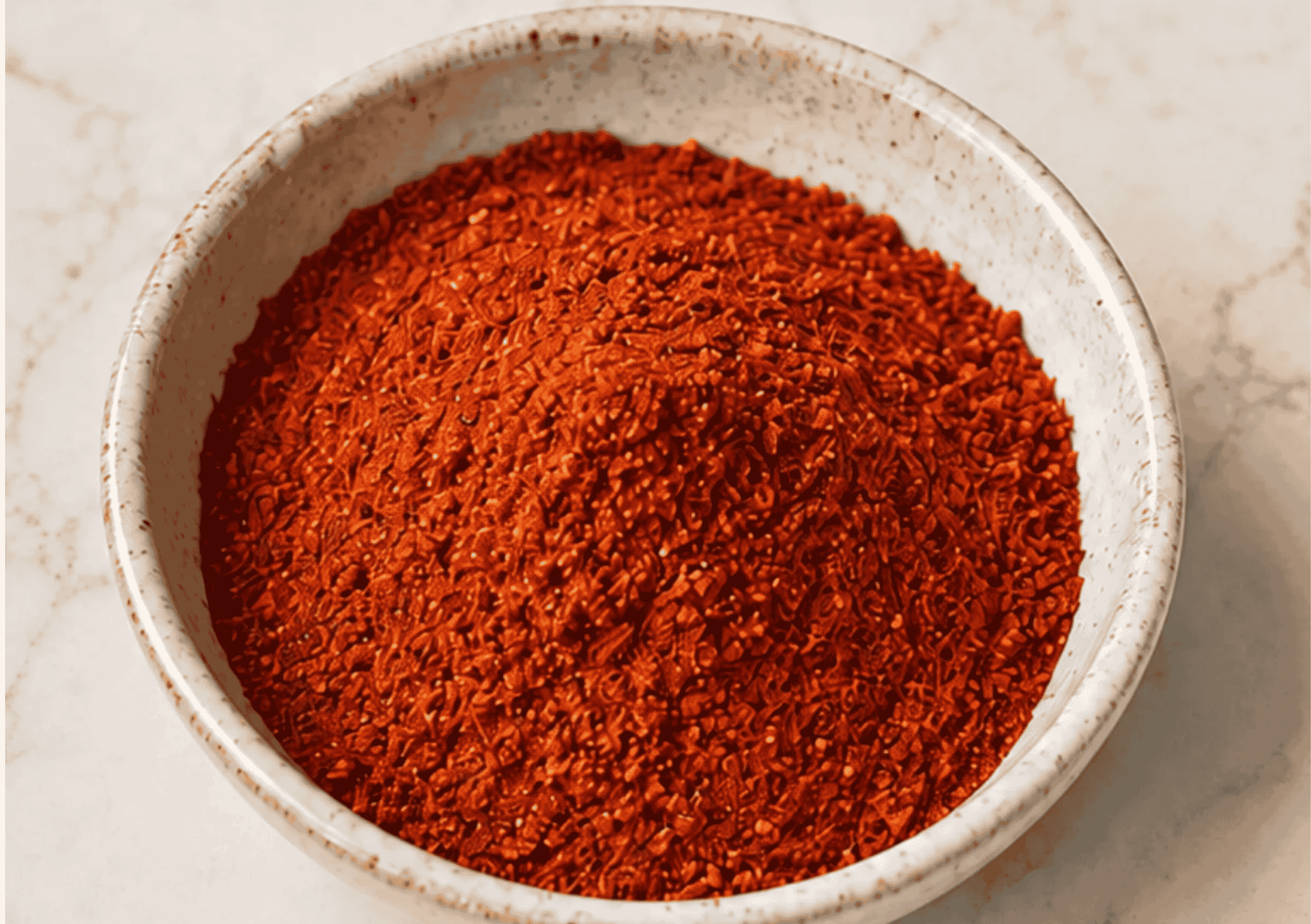
Homemade tandoori masala is a warm, savoury spice blend used to season chicken, lamb, fish, paneer and vegetables before they are cooked over intense heat. It combines toasted coriander and cumin with paprika, Kashmiri chilli, dried aromatics and a small amount of warming spice.
This Curry House Recipes version is designed for both home cooking and British curry house recipes. It has enough chilli and black pepper to give the blend character, but the heat remains moderate so it can be adjusted in each dish. Paprika and Kashmiri chilli provide a natural red colour without making artificial colouring part of the main recipe.
The powder can be mixed with yoghurt, lemon juice and garlic and ginger paste for a tandoori marinade. It can also be stirred into curries, used as a dry seasoning or combined with oil and vinegar to make tandoori masala paste. Preparing a small batch in advance makes recipes such as chicken tikka and tandoori lamb much quicker to assemble.
What Is Tandoori Masala?
Tandoori masala is a spice blend associated with foods cooked in a tandoor, a cylindrical clay oven capable of producing very high heat. Recipes vary between households, restaurants and commercial producers, but the blend usually combines earthy spices, warming aromatics, chilli and ingredients that add colour and acidity.
The powder does not create tandoori flavour by itself. The finished character also comes from yoghurt or another tenderising ingredient, fresh garlic and ginger, salt, acidity and high temperature cooking. The masala provides the consistent spice foundation that brings those ingredients together.
In British curry house cooking, tandoori masala is most familiar in chicken tikka, tandoori chicken and tikka masala sauce. It is also used with lamb, paneer, fish and vegetables. Curry houses may use a commercial blend, a house mixture or a combination of the two.
Which Spices Define This Blend?
- Coriander seeds form the main body of the masala, adding gentle citrus notes and a rounded earthy flavour.
- Cumin seeds provide savoury warmth and the deeper aroma associated with many grilled Indian dishes.
- Sweet paprika supplies natural red colour, mild sweetness and body without making the blend excessively hot.
- Kashmiri chilli powder strengthens the red colour and contributes a rounded chilli flavour. Its heat varies between brands.
- Black peppercorns add dry warmth that lingers behind the chilli.
- Black mustard seeds provide a light nutty sharpness and greater savoury depth.
- Green cardamom seeds contribute a fresh aromatic note without making the blend taste strongly of garam masala.
- Cassia bark brings a deeper warmth and mild sweetness.
- Mace adds a delicate, fragrant quality. Only a small amount is needed because it can dominate the blend.
- Turmeric supports the colour and adds an earthy edge. It is mixed in after grinding because it can scorch in a dry pan.
- Garlic, onion and ginger powders provide the dried aromatic base that distinguishes tandoori masala from a simpler whole spice blend.
- Amchur adds a dry, fruity acidity that works particularly well in marinades and dry rubs.

Does Tandoori Masala Need Red Food Colouring?
No. Red food colouring changes appearance but contributes no flavour. Sweet paprika and Kashmiri chilli powder give this blend a natural brick red shade, although food cooked with it will not have the vivid scarlet colour seen in some restaurants.
For Curry House Recipes, food colouring is optional rather than an essential ingredient. If you want the brighter curry house appearance, use a product intended for food and follow the manufacturer’s quantity. It is better to add colouring to an individual marinade than to the entire jar, as this keeps the spice blend more versatile.
Beetroot powder is sometimes suggested as a natural alternative, but it can introduce sweetness and its colour may dull during high temperature cooking. Paprika remains the most useful natural way to strengthen the colour without changing the flavour too much.
Is Tandoori Masala the Same as Garam Masala?
They are different blends with different purposes. Garam masala is built around aromatic warming spices and is often added towards the end of cooking. Tandoori masala usually includes paprika or chilli, dried garlic and ginger, and an acidic ingredient such as amchur. It is commonly used before cooking as part of a marinade.
Some recipes include a little garam masala inside a tandoori blend, but this version builds its warmth directly from cardamom, cassia, mace, cumin and black pepper. This provides control over the final balance and prevents the blend from becoming too sweet or perfumed.
If a recipe calls for tandoori masala, garam masala alone is not a direct replacement. You would still need chilli, paprika, dried aromatics and acidity to create a similar flavour profile.
How to Make Homemade Tandoori Masala
Measure everything before heating the pan and prepare a plate for cooling the spices. Toast the whole spices gently in small groups, allow them to cool completely and grind them finely. The ready ground spices are then whisked through the mixture so they do not scorch in the pan. See the recipe card at the bottom for printable directions
Ingredients
- 30g coriander seeds
- 20g cumin seeds
- 8g black peppercorns
- 5g black mustard seeds
- Seeds from 6 green cardamom pods
- 1 x 5cm piece of cassia bark or cinnamon stick, broken into small pieces
- 1 small blade of mace, about 1g
- 15g sweet paprika
- 10g Kashmiri chilli powder
- 8g garlic powder
- 6g onion powder
- 5g ground ginger
- 5g ground turmeric
- 8g amchur powder
- 1 to 2 teaspoons hot chilli powder, optional
Cooking Instructions
- Place a dry, heavy frying pan over a low to medium heat. Set a wide plate beside the hob so the spices can be removed from the hot pan immediately.
- Add the coriander seeds and toast for 2 to 3 minutes, shaking the pan regularly. Transfer them to the plate when they smell fragrant and lightly nutty, before they darken significantly.
- Add the cumin seeds, black peppercorns and black mustard seeds to the pan. Toast for 1 to 2 minutes, keeping the spices moving. Remove them when the cumin becomes aromatic and the mustard seeds begin to move in the pan.
- Reduce the heat to low. Add the cardamom seeds, cassia and mace. Toast for 30 to 45 seconds, turning the pieces continuously. Tip them onto the plate as soon as their aroma becomes noticeable.
- Spread the toasted spices across the plate and allow them to cool completely for about 10 minutes. Grinding warm spices can trap condensation and may cause the powder to clump during storage.
- Grind the cooled spices in batches using an electric spice grinder. Pulse until they form a fine powder, pausing if the grinder or spices become warm.
- Pass the ground mixture through a fine sieve. Return any coarse pieces of cassia, pepper or coriander to the grinder and process them again.
- Add the paprika, Kashmiri chilli powder, garlic powder, onion powder, ground ginger, turmeric and amchur. Add one teaspoon of hot chilli powder if you want extra heat.
- Whisk thoroughly for 1 to 2 minutes, scraping around the base and sides of the bowl, until the masala has an even red brown colour. Add the remaining hot chilli powder if you want a hotter blend.
- Transfer the tandoori masala to a clean, completely dry airtight jar. Label it with the date and store it in a cool, dark cupboard.
How Much Tandoori Masala Should You Use?
For a marinade containing 500g of chicken, lamb, fish, paneer or vegetables, begin with 1 tablespoon of tandoori masala. Use up to 1½ tablespoons for a stronger flavour, particularly when the marinade contains plenty of yoghurt.
A useful marinade for 500g of food is 1 tablespoon tandoori masala, 100g thick natural yoghurt, 1 tablespoon garlic and ginger paste, 1 tablespoon lemon juice, 1 tablespoon oil and ½ teaspoon salt. Adjust the chilli and salt to suit the main ingredient and recipe.
For a curry serving four, use 2 to 3 teaspoons as a starting point. Tandoori masala is concentrated, and the curry may already contain mixed powder, garam masala or seasoned chicken tikka. Add it gradually so the spices remain balanced.
As a dry rub, mix 2 teaspoons of masala with a small amount of oil and salt for every 500g of food. Oil helps the powder cling and protects the spices from scorching on the surface.
Do You Still Need Fresh Garlic and Ginger?
Yes, in most marinades. The garlic and ginger powders in the masala provide a dry, concentrated background flavour, but they do not completely replace fresh garlic and ginger paste.
Fresh paste supplies moisture and a sharper aromatic character. It also spreads easily through yoghurt marinades. Using both creates a fuller flavour than relying entirely on either dried powder or fresh paste.
The dry ingredients are used in the stored masala because fresh garlic, ginger or onion would introduce moisture and prevent it from keeping as a free flowing spice blend. Add the fresh aromatics when preparing the final dish.
Why Can Tandoori Masala Taste Bitter?
Raw tandoori masala will taste stronger and dustier than it does after cooking. Coriander, cumin, mustard, turmeric and amchur need fat, moisture and heat to settle into the finished dish.
Harsh bitterness usually means the whole spices were scorched. The pan should be hot enough to release their aroma but not so hot that they smoke or turn very dark. Transfer each batch to a plate immediately because spices continue cooking in the hot pan after it leaves the heat.
Too much amchur can also make the blend sharply sour, while excessive mace can give it a medicinal quality. Weighing these stronger ingredients is more reliable than estimating generous spoonfuls.
If the masala itself smells burnt, prepare a fresh batch. Burnt spices cannot be repaired with yoghurt, sugar or lemon juice. If a finished marinade is simply too sharp, add more yoghurt and a little oil to dilute it before cooking.
Variations and Substitutions
If you do not have amchur
Leave it out of the dry blend and add extra lemon juice when preparing the marinade. Lemon juice provides fresh acidity but cannot be added to the storage jar because it contains moisture.
Citric acid can create the sharper flavour found in some restaurant blends, but it is much more concentrated than amchur. Use only a small pinch in an individual marinade rather than replacing the amchur gram for gram.
If you cannot find Kashmiri chilli powder
Use mild chilli powder combined with extra sweet paprika. Begin with 5g mild chilli powder and 20g paprika in place of the listed quantities. The exact heat and colour will vary between brands.
If mace is unavailable
Omit it or add a very small pinch of ground nutmeg. Nutmeg is heavier and sweeter, so it should not be used in the same quantity as mace.
For a hotter tandoori masala
Add one or two teaspoons of hot chilli powder after grinding. Keeping most of the colour from Kashmiri chilli and paprika prevents the blend from becoming aggressively hot.
For a simpler version
If you only have ground spices, combine ground coriander, cumin, black pepper, mustard and cardamom with the other powders. The result will be convenient but will lack some of the aroma produced by freshly toasted whole spices.
Cooking Tips
Toast with moderate heat. The aim is to warm the spices until fragrant, not to brown them deeply. Smoke indicates that the pan is too hot.
Keep the ground paprika, chilli, garlic, onion, ginger, turmeric and amchur out of the frying pan. Fine powders can scorch almost immediately and may make the entire batch bitter.
Remove the cardamom seeds from their pods before measuring. The pods are fibrous and add little flavour to the finished powder.
Use an electric spice grinder in short pulses. Continuous grinding creates heat, which can weaken the aroma and encourage the spices to clump.
Shake or stir the stored masala before measuring. Fine powders have different densities and can settle into layers over time.
When grilling marinated food, remove heavy excess marinade before cooking. A thick coating can burn before the chicken, fish or paneer is properly cooked.
How to Store Tandoori Masala
Transfer the finished masala to an airtight jar only after the toasted spices are completely cool. Make sure the jar and utensils are dry, as moisture can cause clumping and reduce the blend’s keeping quality.
Store it in a cool, dark cupboard away from the hob, dishwasher and direct sunlight. Heat, light and steam weaken ground spices more quickly. There is no need to refrigerate the dry powder.
For the strongest flavour, use the blend within three months. It may remain usable for longer if it stays dry and airtight, but its aroma will gradually fade. Make a smaller batch if tandoori dishes are only an occasional part of your cooking.
Always measure with a dry spoon. Discard the masala if it becomes damp, develops a musty smell or shows any sign of mould.
What Can You Make with Tandoori Masala?
The most familiar use is a yoghurt based marinade for chicken tikka or tandoori chicken. The same approach works with lamb tikka, paneer tikka, salmon, prawns, cauliflower and mushrooms, although delicate seafood needs a shorter marinating time than meat.
Tandoori masala can also be stirred into chicken tikka masala sauce, used to season roast potatoes or mixed with oil for grilled vegetables. A small amount gives tomato based curries a warmer, slightly smoky character even when they are cooked on the hob.
To make a quick tandoori butter, combine softened butter with a pinch of the masala and a little salt. Brush it over naan, corn or cooked vegetables. Use the powder sparingly in applications where it will not have much time to cook.

Homemade Tandoori Masala
Ingredients
- 30 g coriander seeds
- 20 g cumin seeds
- 8 g black peppercorns
- 5 g black mustard seeds
- Seeds from 6 green cardamom pods
- 1 x 5cm piece cassia bark or cinnamon stick broken up
- 1 small blade of mace about 1g
- 15 g sweet paprika
- 10 g Kashmiri chilli powder
- 8 g garlic powder
- 6 g onion powder
- 5 g ground ginger
- 5 g ground turmeric
- 8 g amchur powder
- 1 to 2 teaspoons hot chilli powder optional
Instructions
- Heat a dry, heavy frying pan over a low to medium heat.
- Toast the coriander seeds for 2 to 3 minutes until fragrant, then transfer them to a plate.
- Toast the cumin, peppercorns and mustard seeds for 1 to 2 minutes, keeping them moving, then add them to the plate.
- Reduce the heat and toast the cardamom seeds, cassia and mace for 30 to 45 seconds. Remove them as soon as they become fragrant.
- Cool all the toasted spices completely for about 10 minutes.
- Grind the spices in batches until fine. Sift the powder and regrind any coarse pieces.
- Whisk in the paprika, Kashmiri chilli powder, garlic powder, onion powder, ginger, turmeric, amchur and optional hot chilli powder.
- Transfer to a clean, dry airtight jar. Store in a cool, dark cupboard and use within three months for the strongest flavour.
Notes
- Use approximately 1 tablespoon for a marinade containing 500g of food.
- Do not toast the ready ground spices because they can burn quickly.
- Artificial red colouring is unnecessary. Add it to an individual marinade only if you specifically want a brighter curry house colour.
- This blend contains no salt, allowing each recipe to be seasoned separately.
- Check every packaged spice if cooking for someone with a food allergy or intolerance.
Frequently Asked Questions
Can I use tandoori masala as a dry rub?
Yes. Mix it with a little oil and salt so it coats the food evenly and is less likely to scorch. A dry rub works particularly well on cauliflower, potatoes, paneer and meat cooked over moderate heat.
Can I add tandoori masala directly to yoghurt?
Yes. For 500g of food, combine 1 tablespoon of tandoori masala with about 100g thick natural yoghurt, garlic and ginger paste, lemon juice, oil and salt. Follow the individual recipe for marinating time.
Is tandoori masala very hot?
This version is moderately hot. Kashmiri chilli powder is used mainly for colour and flavour, while optional hot chilli powder controls the sharper heat. Reduce or omit the hot chilli powder for a mild blend.
Can I use smoked paprika?
You can, but it will introduce an obvious smoke flavour. Tandoori food traditionally gains smoky character from high temperature cooking rather than smoked paprika, so sweet paprika is the more versatile choice.
Can I use this powder to make tandoori masala paste?
Yes. Mix the powder with enough neutral oil and a small amount of vinegar to form a spoonable paste. Use a dedicated tandoori masala paste recipe for precise quantities and storage guidance.