Aloo Gobi (Potato and Cauliflower Curry)
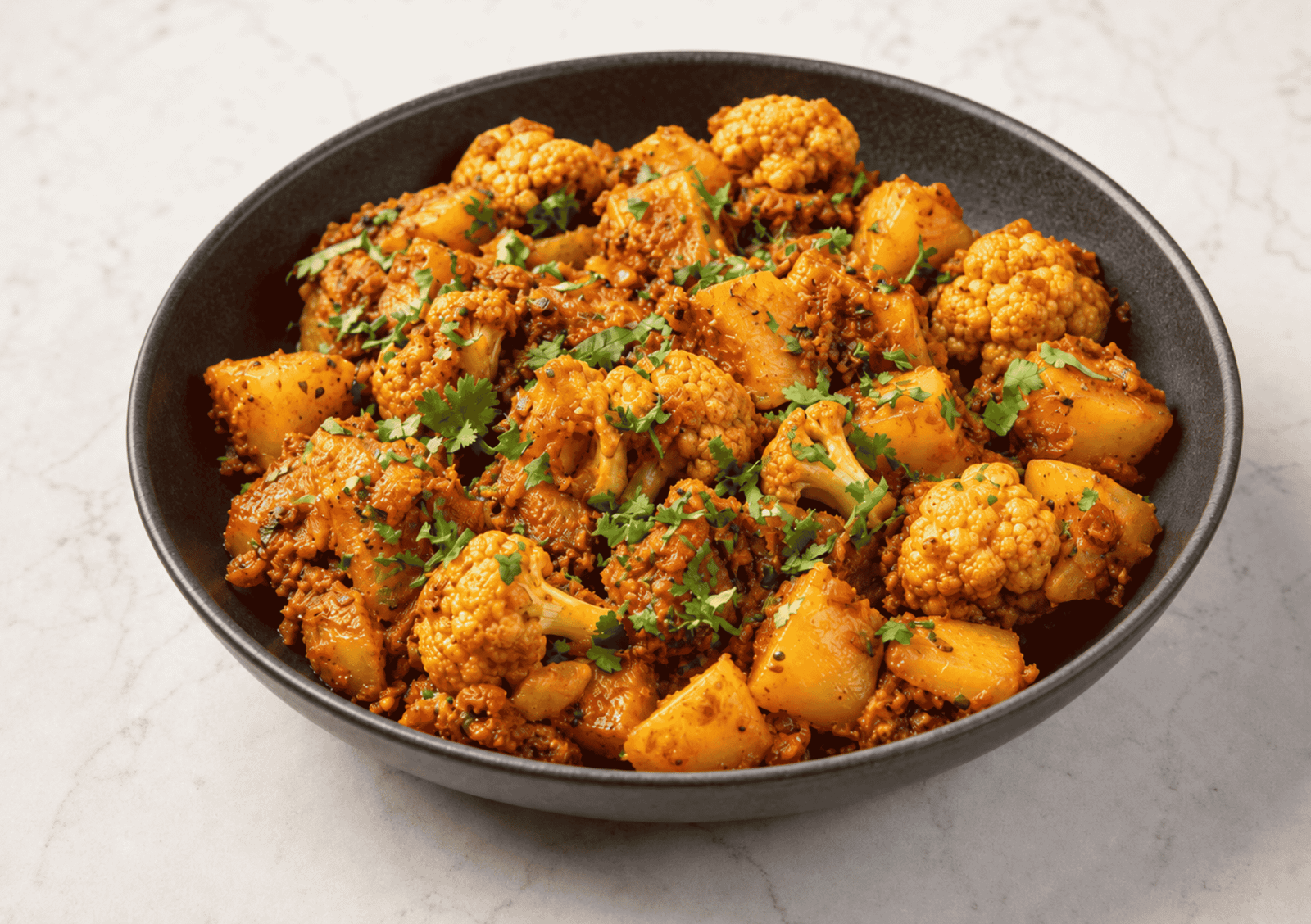
Aloo gobi is a dry Indian curry made with tender potatoes, cauliflower and a warmly spiced onion and tomato masala. It is simple enough for a midweek meal, yet the careful cooking order gives it far more flavour than its short ingredient list might suggest.
This version browns the cauliflower first and partly cooks the potatoes before they enter the masala. That extra preparation keeps the florets intact, helps the potatoes cook evenly and prevents the finished curry from becoming watery. The result is a colourful vegetable dish with tender centres, lightly caramelised edges and just enough masala to coat every piece.
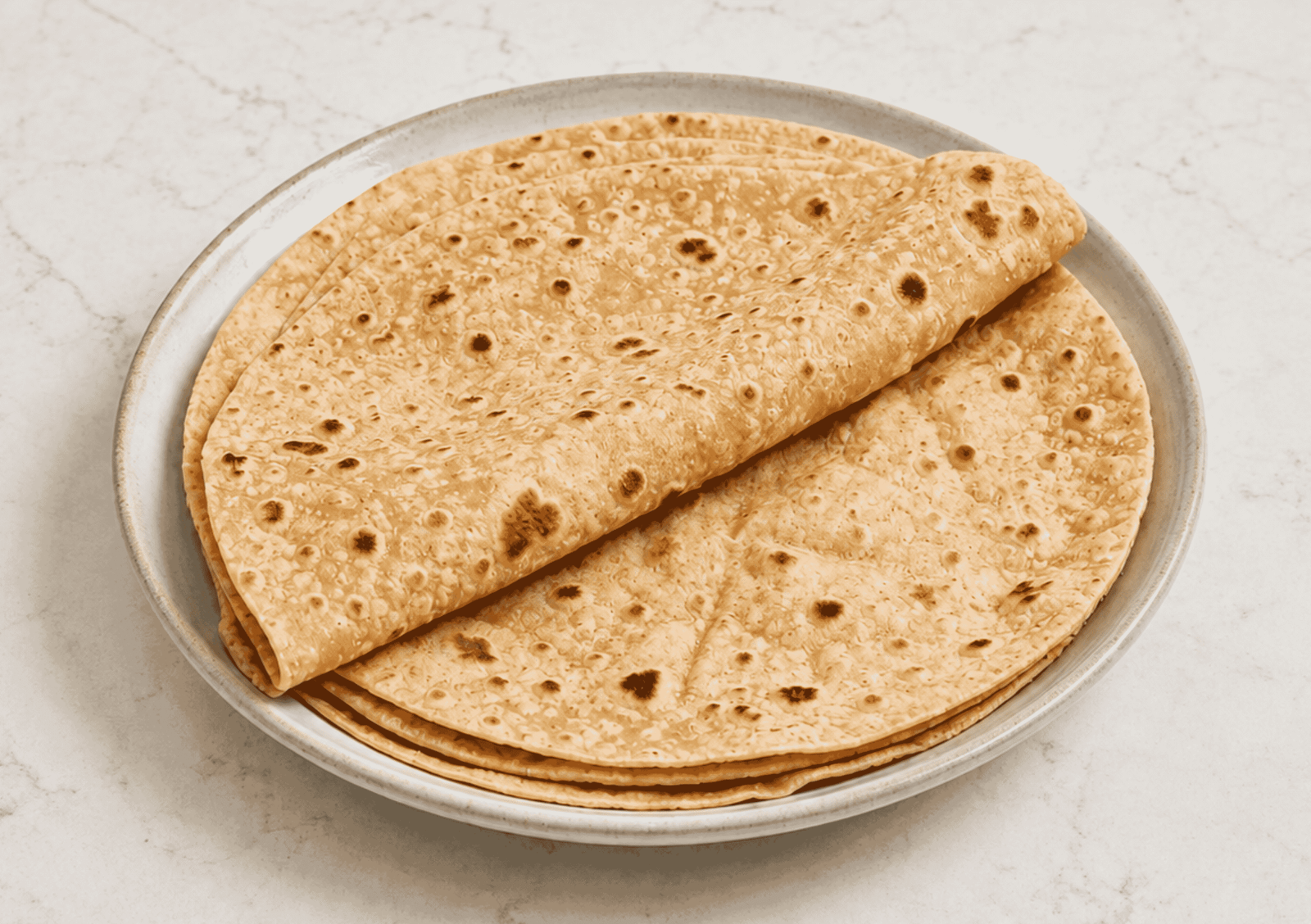
Serve it with chapati or rice as a vegetarian main course, or use it as one part of a larger curry night.
What Is Aloo Gobi?
The name is straightforward: aloo means potato and gobi means cauliflower. Both vegetables are cooked with aromatics and spices to make a popular North Indian style sabzi. Some versions are almost completely dry, while others contain a small amount of tomato rich sauce.
This recipe sits between the two. It is not a gravy curry, but the onion and tomato mixture remains moist enough to cling to the vegetables. Cumin, coriander, turmeric, chilli and garam masala give the dish warmth without covering the natural flavour of the cauliflower.
Aloo gobi is naturally vegetarian and vegan when cooked with oil. It is also a useful dish for a mixed menu because it works as either a main course or a substantial side.
What Should Aloo Gobi Taste Like?
Good aloo gobi should taste savoury, aromatic and gently spiced. Cumin provides toasted warmth, coriander adds a soft citrus note, and turmeric gives the curry its familiar golden colour. Tomato brings mild acidity, while garam masala and dried fenugreek added near the end supply a fresh aromatic finish.
The vegetables should remain distinct. The potatoes need to be tender all the way through without collapsing, and the cauliflower should retain a little structure. There should be no pool of thin liquid in the pan. Instead, the reduced masala should coat the potato and cauliflower in a thin, flavourful layer.
Which Potatoes Are Best for Aloo Gobi?
Use an all-purpose or waxy potato that holds its shape during simmering. Maris Piper can be used, but it needs gentle handling because it becomes floury as it cooks. Charlotte, red skinned potatoes or another firm boiling potato are particularly reliable.
Cut the potato into even 2.5cm pieces. Very small pieces may break down before the cauliflower is ready, while large pieces can remain firm in the centre. Keeping them similar in size is more important than achieving perfect cubes.
Do not fully boil the potatoes before adding them to the curry. A short parboil starts the cooking process, but their centres should still be firm. They finish cooking in the masala and absorb its seasoning as they become tender.
How Do You Stop the Cauliflower Becoming Mushy?
Start with dry cauliflower. After washing the florets, drain them thoroughly so they fry rather than steam. Cut very large florets in half but leave the smaller ones whole, aiming for pieces that will cook at roughly the same speed.
Brown the florets in a wide pan before making the masala. This gives their edges a little colour and makes it easier to control their final texture. Remove them while still firm, then return them after the potatoes have had a head start in the sauce.
Once the cauliflower goes back into the pan, turn the vegetables carefully with a wide spatula. Frequent vigorous stirring can break the florets and roughen the potatoes. Check early rather than relying only on the stated cooking time, as fresh, small florets soften faster than large or older ones.
Should Aloo Gobi Be Dry or Saucy?
Aloo gobi is normally served as a dry or semi dry curry. That does not mean it should feel parched. The softened onion, reduced tomato and small amount of cooking water create enough moisture to season and coat the vegetables.
At the end, remove the lid and allow excess water to evaporate. The masala is ready when it clings to the potato and cauliflower rather than running to the bottom of the pan. If the curry begins to catch before the vegetables are tender, add a tablespoon of hot water around the edge, cover and continue cooking over low heat.
How to Make Aloo Gobi
Use a wide, heavy based sauté pan or lidded frying pan so the vegetables have room to cook without being crushed. Prepare all the ingredients before starting, as the cumin and ground spices need attention once they enter the hot oil. See the recipe card at the bottom for exact quantities and printable directions
Ingredients You Will Need
- Potatoes
- Cauliflower
- Rapeseed oil
- Cumin seeds
- Onion
- Green chilli
- Garlic and Ginger Paste
- Tomatoes
- Ground coriander
- Ground cumin
- Ground turmeric
- Kashmiri chilli powder
- Fine salt
- Freshly boiled water
- Dried fenugreek leaves
- Garam masala
- Fresh coriander
- Lemon juice
Cooking Instructions
Step 1: Prepare the vegetables. Peel and cut the potatoes into even pieces. Divide the cauliflower into medium florets, rinse them and drain thoroughly.
Step 2: Partly cook the potatoes. Add the potatoes to a pan of boiling water and cook briefly until the outside has begun to soften but the centre remains firm. Drain well and allow the surface steam to escape.
Step 3: Brown the cauliflower. Heat some of the oil in a wide pan over a medium high heat. Add the dry cauliflower in a single layer and cook until lightly coloured in places. It should remain firm. Transfer it to a plate.
Step 4: Start the masala. Reduce the heat to medium and add the remaining oil. Fry the cumin seeds until fragrant, then add the onion and green chilli. Cook until the onion is soft and golden at the edges.
Step 5: Add the aromatics. Stir in the garlic and ginger paste. Cook briefly, stirring continuously, until its raw aroma has softened.
Step 6: Cook the tomatoes and spices. Add the tomatoes, ground coriander, ground cumin, turmeric, Kashmiri chilli powder and salt. Cook until the tomato softens, the mixture thickens and the oil begins to show around the edge.
Step 7: Finish cooking the potatoes. Add the drained potatoes and turn them through the masala. Pour in the hot water, cover the pan and cook gently until the potatoes are almost tender.
Step 8: Add the cauliflower. Return the browned cauliflower to the pan. Fold it through the potatoes, cover and cook over low heat until both vegetables are tender but still hold their shape.
Step 9: Reduce the masala. Remove the lid and cook for a few minutes, turning the vegetables carefully, until excess moisture has evaporated and the masala coats them evenly.
Step 10: Add the finishing flavours. Crush the dried fenugreek between your palms and add it with the garam masala. Fold in the coriander and lemon juice, check the seasoning and serve hot.
Why Is My Aloo Gobi Watery?
Excess water usually comes from wet cauliflower, juicy tomatoes or adding more cooking liquid than the vegetables need. A crowded pan also traps steam, especially if the lid remains on after the vegetables are tender.
To correct a watery curry, remove the lid and cook it over medium heat. Turn the vegetables occasionally with a wide spatula so the liquid can evaporate without the potatoes sticking. Avoid continuous stirring, which can turn softened potato into mash and thicken the liquid unevenly.
If your tomatoes are especially ripe and watery, cook the masala for an extra few minutes before adding the potato. It should look thick and concentrated, with no raw tomato aroma.
Why Are the Potatoes Still Firm?
Potatoes can take longer to soften if the pieces are too large or if they are added directly to an acidic tomato mixture. The short parboil in this recipe gives them a reliable head start. Make sure the water is already boiling before adding them, and begin timing once it returns to a simmer.
If the potatoes remain firm near the end, add a small splash of hot water and cover the pan. Continue cooking gently, checking every few minutes. Do not increase the heat sharply, as this can scorch the masala before the centres soften.
Can I Make Aloo Gobi Without Tomatoes?
Yes. Leave out the tomatoes and cook the onion until fully soft before adding the spices. You will need a little more water to help the potato finish cooking, and the curry will have a drier, more spice led character.
Finish the tomato free version with lemon juice or a small amount of amchur powder to replace the missing acidity. Add either at the end so the potatoes can soften before the acidic ingredient enters the pan.
Variations and Substitutions
- Add frozen peas during the final five minutes for colour and sweetness.
- Replace the lemon juice with amchur powder for a sharper, fruitier finish.
- Leave out the green chilli for a mild family version, or add a second chilli for more heat.
- Use ghee instead of rapeseed oil if the dish does not need to be vegan.
- Add a teaspoon of crushed coriander seeds with the cumin seeds for a coarser, more aromatic masala.
- Stir through a handful of baby spinach just before the finishing spices and allow it to wilt.
- Use a little more tomato and water if you prefer a moist curry, but reduce the liquid until it coats the vegetables before serving.
Cooking Tips
- Dry the cauliflower well after rinsing so it browns in the pan.
- Keep the potato pieces even to help them become tender at the same time.
- Do not fully cook the vegetables during their initial preparation.
- Use a wide pan so the cauliflower is not piled too deeply.
- Cook the tomato masala until it is thick and no longer smells raw.
- Add only enough water to create steam and prevent catching.
- Fold the vegetables gently once they begin to soften.
- Add garam masala near the end to preserve its aroma.
- Let the curry rest off the heat for five minutes before serving so the masala settles around the vegetables.
What to Serve with Aloo Gobi
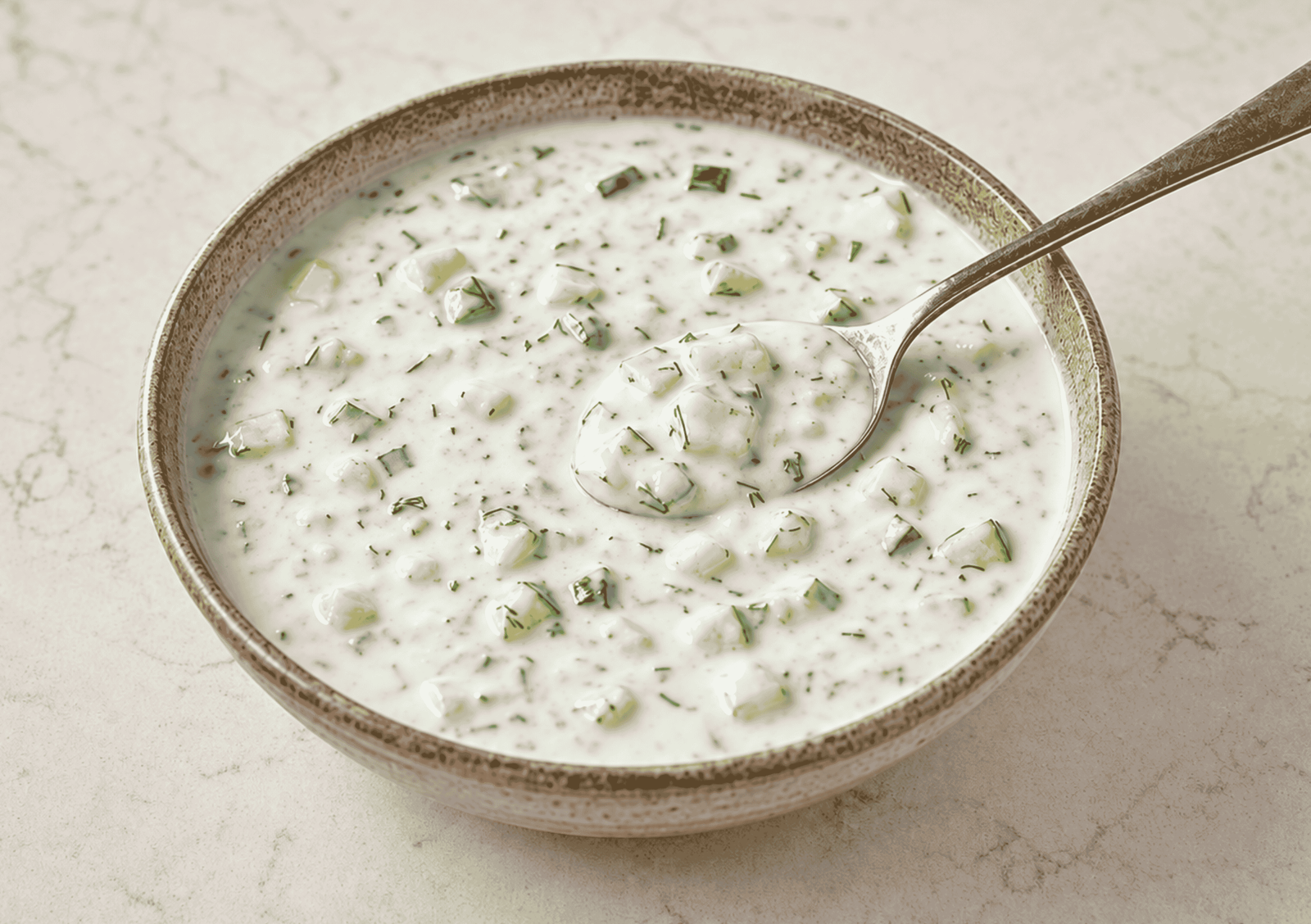
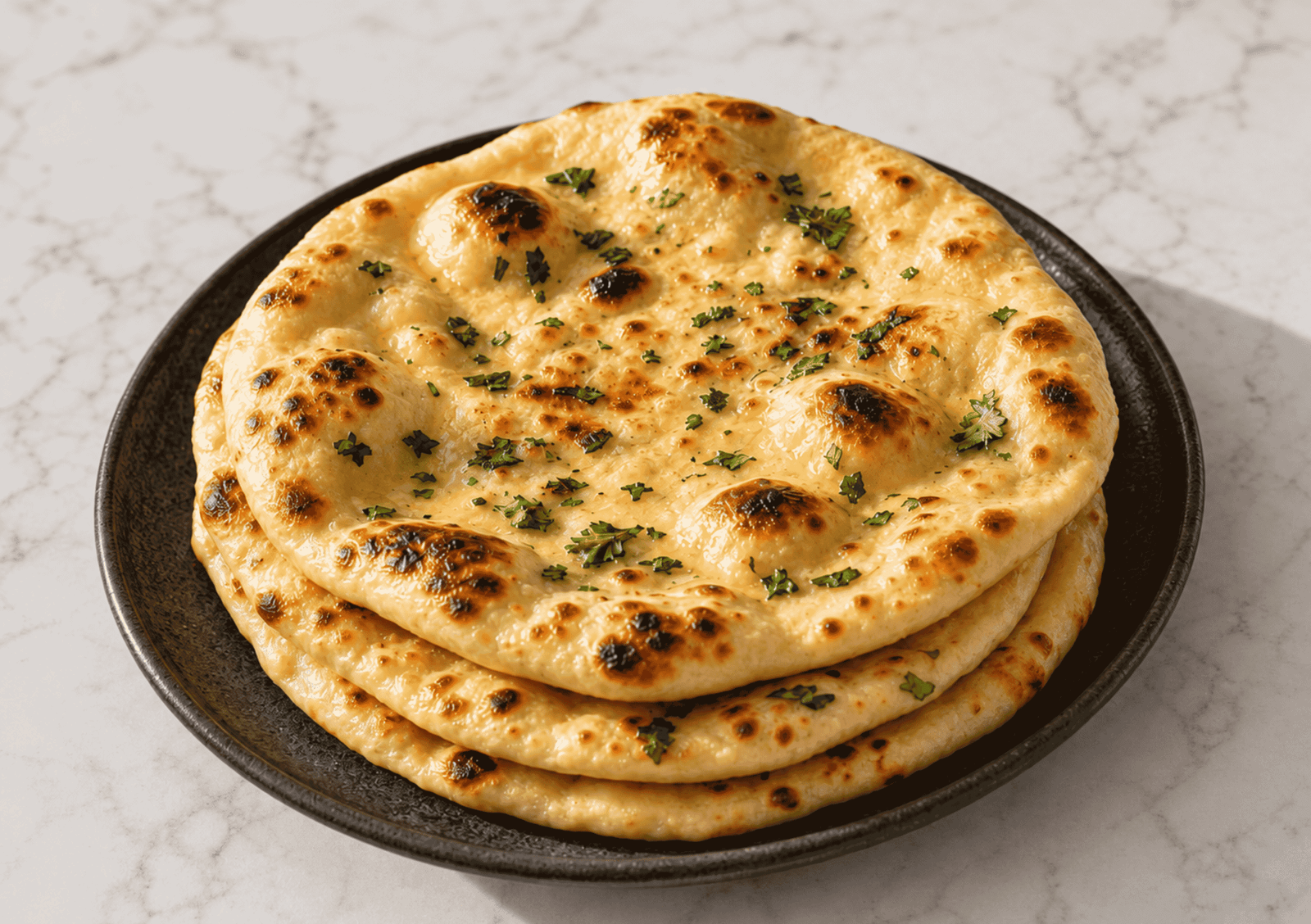
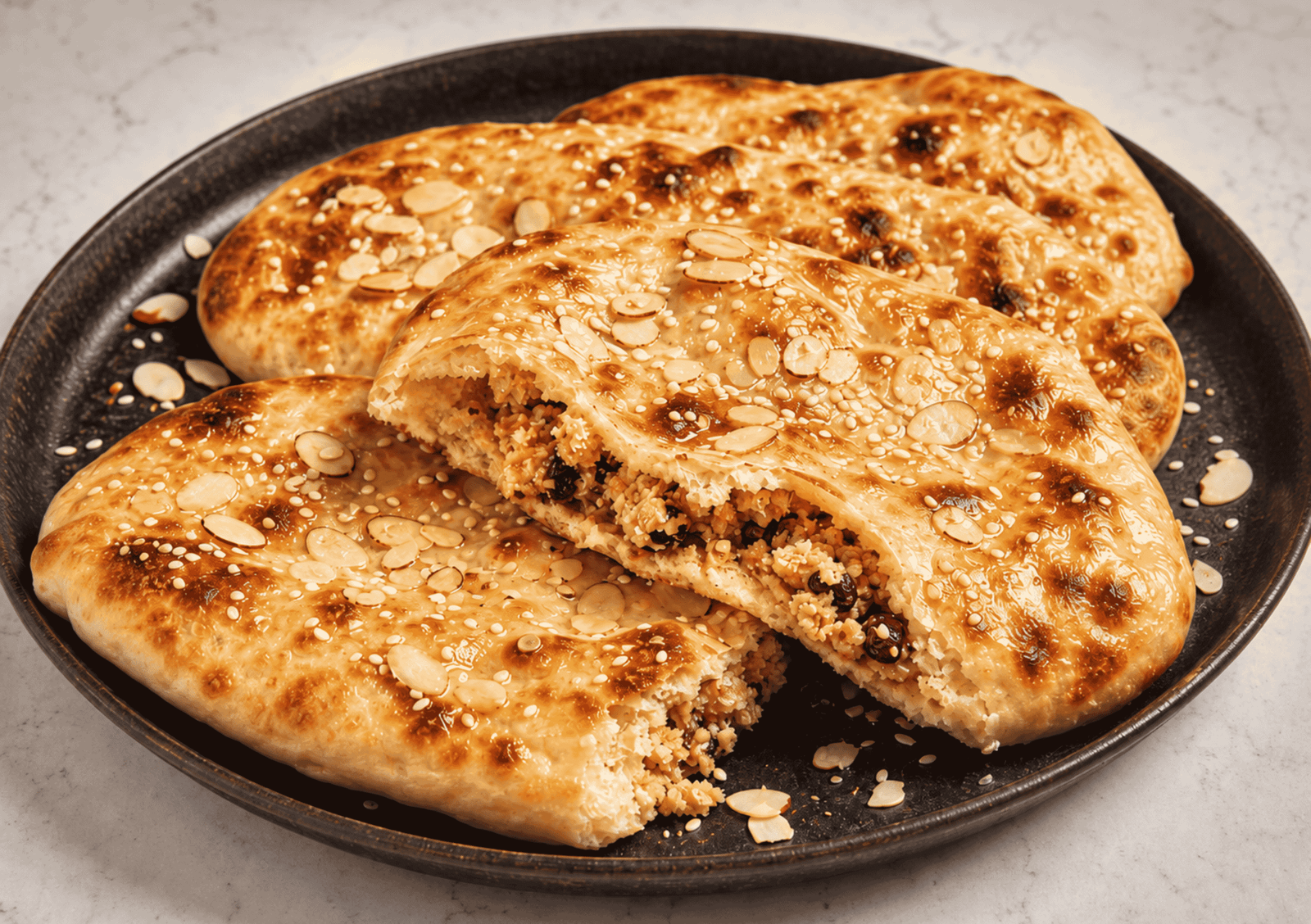
Aloo gobi is substantial enough to serve as a vegetarian main with chapati, naan or white basmati rice. Add cucumber raita if you want a cool, creamy contrast.
For a larger curry night, pair it with tarka dhal and another vegetable dish. Saag aloo offers a softer, greener potato side, while Bombay potatoes provide a more concentrated tomato and spice flavour. Because all three contain potato, choose one rather than serving them together unless you are preparing a very broad buffet.
How to Store and Reheat Aloo Gobi
Allow leftovers to cool, transfer them to a covered container and refrigerate within two hours. Eat refrigerated aloo gobi within two days. The cauliflower will soften slightly in storage, but the flavour of the masala often deepens overnight.
Reheat it only once, either in a covered pan over low heat or in the microwave. Add a teaspoon of water if the masala is very dry, then heat until the food is steaming hot throughout. Stir or turn it during reheating so the centre warms evenly.
Aloo gobi can be frozen, although the vegetables will be softer after thawing. Freeze cooled portions in airtight containers for up to three months. Defrost in the refrigerator, use within 24 hours and reheat thoroughly.

Aloo Gobi: Potato and Cauliflower Curry
Ingredients
- 500 g potatoes peeled and cut into 2.5cm pieces
- 500 g cauliflower florets cut into medium pieces
- 3 tablespoons rapeseed oil divided
- 1 teaspoon cumin seeds
- 1 medium onion approximately 150g, finely chopped
- 1 green chilli finely chopped
- 1 tablespoon Garlic and Ginger Paste
- 200 g ripe tomatoes finely chopped
- 1½ teaspoons ground coriander
- 1 teaspoon ground cumin
- ½ teaspoon ground turmeric
- ½ teaspoon Kashmiri chilli powder or to taste
- 1 teaspoon fine salt plus extra for the potato water
- 100 ml freshly boiled water plus more only if needed
- 1 teaspoon dried fenugreek leaves
- 1 teaspoon garam masala
- 3 tablespoons finely chopped fresh coriander
- 1 teaspoon fresh lemon juice
Instructions
- Bring a saucepan of salted water to a boil. Add the potatoes and cook for 6 minutes after the water returns to a simmer. They should be slightly softened outside but firm in the centre. Drain thoroughly.
- Meanwhile, rinse the cauliflower and dry it well. Heat 1 tablespoon of the oil in a wide, heavy based pan over a medium high heat.
- Add the cauliflower in a single layer and cook for 5 minutes, turning occasionally, until lightly browned in places but still firm. Transfer it to a plate.
- Reduce the heat to medium. Add the remaining 2 tablespoons oil and the cumin seeds. Fry for 30 seconds, then add the onion and green chilli. Cook for 7 to 8 minutes until soft and lightly golden.
- Add the garlic and ginger paste. Stir continuously for 1 minute without allowing it to catch.
- Add the tomatoes, ground coriander, ground cumin, turmeric, Kashmiri chilli powder and salt. Cook for 6 to 8 minutes, stirring regularly, until the tomato has softened and the masala is thick.
- Add the drained potatoes and fold them through the masala. Pour in 100ml freshly boiled water, cover and cook over a low heat for 6 minutes.
- Add the browned cauliflower and turn it carefully through the potatoes. Cover and cook for 8 to 10 minutes, or until both vegetables are tender. Check halfway and add 1 tablespoon hot water only if the masala is catching.
- Remove the lid. Cook for 3 to 5 minutes, turning carefully, until no thin liquid remains and the masala coats the vegetables.
- Crush the dried fenugreek between your palms. Add it with the garam masala, coriander and lemon juice. Fold gently, taste for salt and rest off the heat for 5 minutes before serving.
Notes
- Choose a firm all-purpose or waxy potato if possible. Floury potatoes require more careful stirring.
- The cauliflower should still be firm after browning because it cooks again with the potato.
- Tomato moisture varies. Reduce the masala thoroughly before adding the vegetables.
- Add further water only a tablespoon at a time. The finished curry should be dry to semi dry.
- For a milder dish, omit the green chilli and reduce the Kashmiri chilli powder.