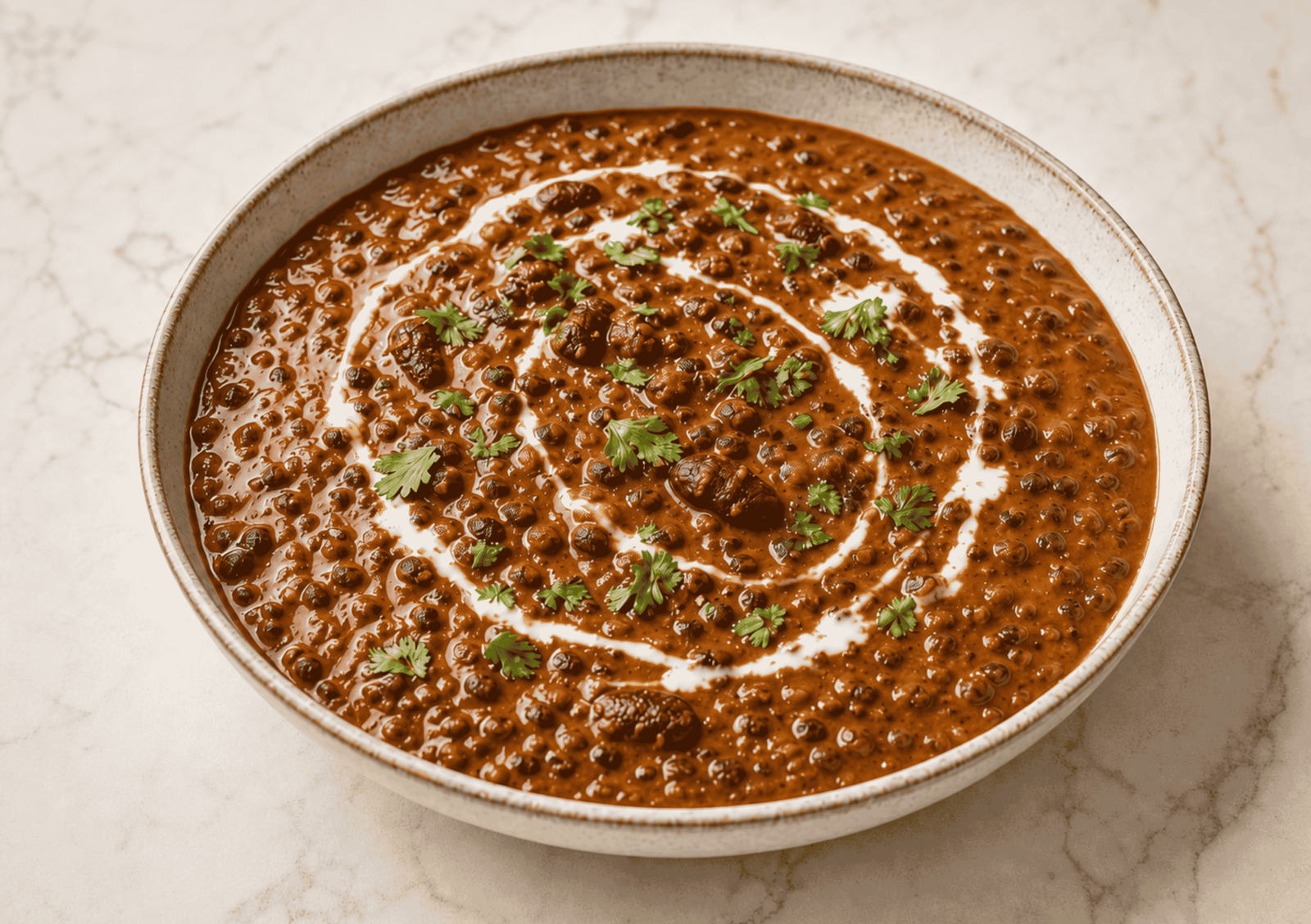
Dal Makhani (Creamy Black Lentil Curry)
Dal makhani is a rich Punjabi lentil dish made with whole black gram, red kidney beans, tomato, butter and cream. Its smooth consistency does not come from blending. It develops as the fully softened pulses simmer slowly, release their starch and combine with the buttery tomato masala.
This is a recipe to begin the night before. The black gram and kidney beans need a long soak, thorough pressure cooking and a gentle final simmer. None of the individual stages is difficult, but each one contributes to the dark colour and creamy body expected from dal makhani.
Serve it as a vegetarian main course with naan or rice, or add it to a larger Indian menu. The flavour improves after resting, making it particularly useful when cooking for guests.
What Is Dal Makhani?
Dal makhani is associated with Punjabi and North Indian cooking. The word dal refers to pulses and dishes made from them, while makhani describes the buttery character of the finished sauce. Whole black urad, also called sabut urad or black gram, is the defining pulse. A smaller amount of rajma, or red kidney beans, adds colour and a firmer texture.
Restaurant versions are known for long, slow cooking and a generous dairy finish. The seasoning is usually restrained compared with many curries. Tomato, ginger, garlic, chilli and garam masala support the earthy pulses, while butter and cream round out the sauce without hiding its flavour.
This recipe uses a pressure cooker to make the initial cooking reliable, followed by a long simmer in a heavy pan. The second stage is essential because it concentrates the masala and turns the separate cooking liquid into a cohesive sauce.
Which Lentils Should I Use for Dal Makhani?
Use whole black urad with its dark skin intact. Packages may label it whole urad dal, sabut urad, black gram or kali dal. Split urad and skinned white urad cook differently and will not give dal makhani its characteristic appearance or consistency.
Black beluga lentils are not a direct substitute. They remain more distinct after cooking and do not release the same amount of starch. They can make a pleasant lentil curry, but the result will not have the dense, creamy body of dal makhani.
The rajma should be dried red kidney beans rather than a full tin of cooked beans. Soaking and pressure cooking the two pulses together allows their cooking liquid to become part of the sauce. If dried kidney beans are unavailable, omit them and replace their weight with additional whole black urad.
Why Must the Pulses Be Soaked?
Whole black gram and dried kidney beans are dense pulses. Soaking them overnight allows water to reach their centres, helping them cook evenly and reducing the time required under pressure. Rinse them thoroughly before soaking, then discard the soaking water and rinse again before cooking.
An eight hour soak is the practical minimum for this recipe. If your kitchen is especially warm, soak the pulses in the refrigerator. Older dried beans can remain firm for much longer, so use a packet that is within date and has not been stored open for years.
Do not add the soaked pulses straight to the tomato masala. They must first be cooked in fresh water until both the urad and kidney beans crush easily. Tomato is acidic and can slow the softening of beans that are still firm.
How Soft Should the Urad Dal and Kidney Beans Be?
Both pulses need to be completely tender before they meet the masala. A kidney bean should crush into a smooth paste when pressed with the back of a spoon. The black gram should split easily, with no chalky or firm centre.
If either pulse is still firm after pressure cooking, add more hot water and cook it under pressure again. Extending the later simmer will not reliably correct undercooked kidney beans once tomato has been added.
When the pulses are soft, mash a small portion against the side of the cooker. Leave most of them whole. This releases enough starch to begin thickening the dal while preserving the varied texture of the black gram and kidney beans.
Why Does Dal Makhani Need Slow Cooking?
Pressure cooking softens the pulses, but slow cooking creates the finished sauce. As the dal simmers, some of the black gram breaks down, the cooking liquid reduces and the tomato masala loses its sharpness. Butter can then disperse through the thickened liquid instead of floating on a thin broth.
Use the lowest heat that maintains a gentle bubble and stir across the base of the pan regularly. Black gram becomes increasingly prone to catching as it thickens. Add freshly boiled water whenever the dal becomes too thick to move freely, then continue simmering until it becomes creamy again.
One hour of slow simmering gives a good home cooked result after the pulses are fully tender. A longer simmer produces a deeper colour and smoother body, provided you keep adding water and stirring to prevent scorching.
How to Make Dal Makhani
Begin by soaking the pulses the night before. On the day of cooking, pressure cook them until completely soft, then make the tomato masala in a separate heavy pan. Combine the two and allow enough time for a slow, gentle simmer before adding the final butter and cream.
See the recipe card at the bottom for exact quantities and printable directions
Ingredients You Will Need
For the pulses
- Whole black urad dal
- Dried red kidney beans
- Fresh water
- Bay leaf
- Fine salt
For the masala
- Ghee
- Cumin seeds
- Onion
- Garlic and Ginger Paste
- Passata
- Kashmiri chilli powder
- Ground coriander
- Garam masala
- Dried fenugreek leaves
- Unsalted butter
- Double cream
- Fresh coriander
Cooking Instructions
Step 1: Soak the pulses. Rinse the black urad and kidney beans several times. Cover them generously with fresh cold water and leave them to soak overnight.
Step 2: Pressure cook until soft. Drain and rinse the soaked pulses. Place them in a pressure cooker with fresh water and the bay leaf, then cook at high pressure. Allow the pressure to release naturally before opening the lid.
Step 3: Check and mash. Test both pulses with the back of a spoon. They must crush without resistance. Add the salt and mash a small portion against the side of the cooker, keeping the remaining pulses and their cooking liquid together.
Step 4: Soften the onion. Heat the ghee in a heavy saucepan over a medium heat. Fry the cumin seeds until fragrant, add the onion and cook until soft and evenly golden.
Step 5: Add the garlic and ginger. Stir in the garlic and ginger paste. Cook briefly, stirring continuously, until its raw aroma has softened without allowing it to catch.
Step 6: Reduce the tomato masala. Add the passata, Kashmiri chilli powder and ground coriander. Cook over a medium low heat until the sauce is thick, darker in colour and beginning to release fat around the edge.
Step 7: Combine the dal and masala. Remove the bay leaf, then add the cooked pulses and all their cooking liquid to the masala. Stir thoroughly, scraping the base of the pan.
Step 8: Simmer slowly. Bring the dal to a gentle simmer and cook over low heat, partially covered. Stir regularly and add freshly boiled water in small amounts whenever it becomes too thick.
Step 9: Add the finishing ingredients. Crush the dried fenugreek between your palms and stir it into the dal with the garam masala, butter and cream. Simmer gently until glossy and cohesive.
Step 10: Rest and serve. Check the salt and consistency, then remove the pan from the heat. Rest the dal briefly before garnishing it with coriander and a small swirl of cream, if wanted.
What Consistency Should Dal Makhani Have?
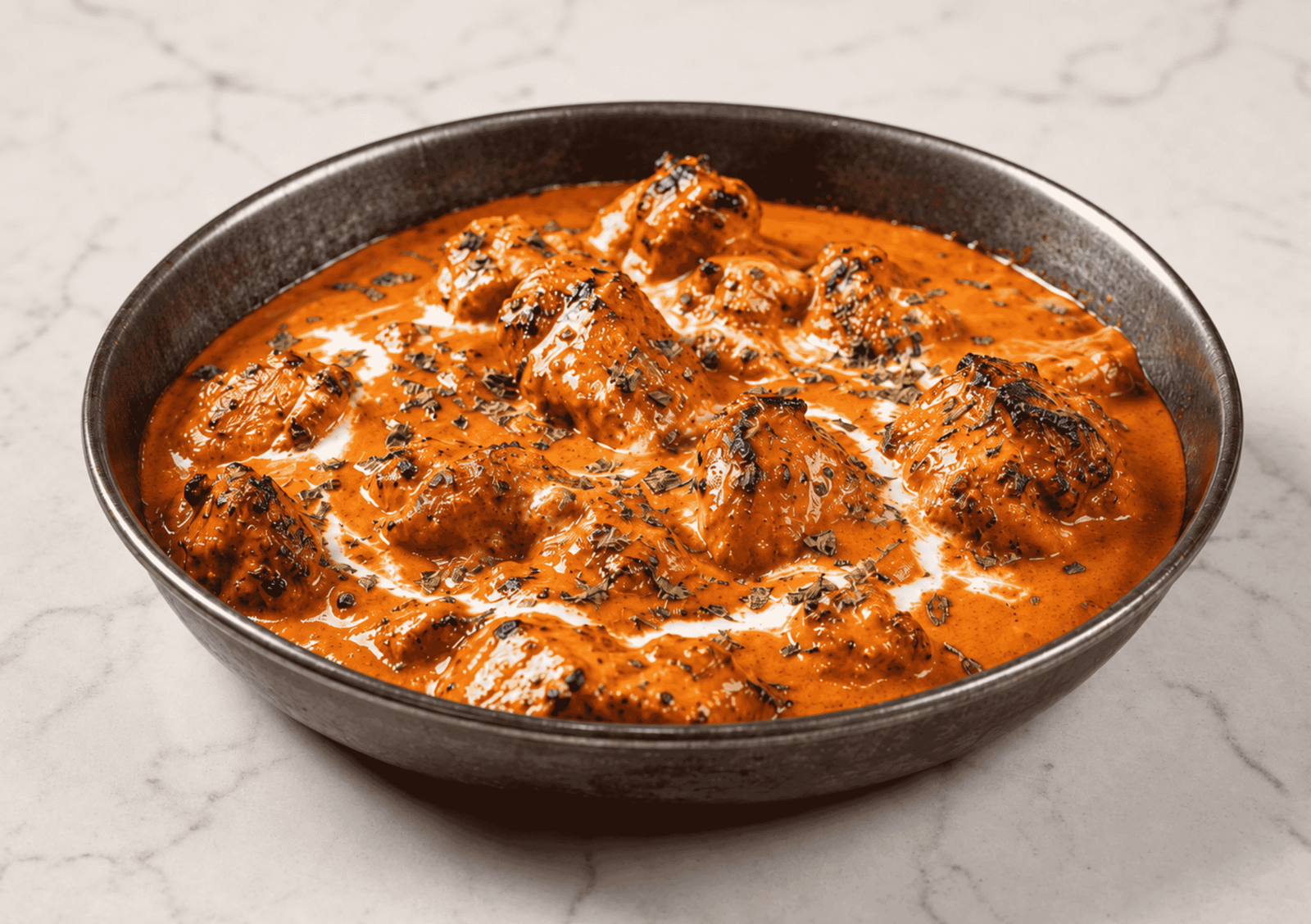
Finished dal makhani should be thick and creamy but still pourable. When you draw a spoon across the pan, the gap should close slowly. The sauce should surround the pulses rather than separating into thick solids and watery liquid.
The dal continues to thicken as it stands. Take it off the heat while it is slightly looser than the consistency you want to serve. If it becomes too thick, stir in a little freshly boiled water and warm it gently. If it is thin, continue simmering uncovered and stir frequently until it reduces.
Cream should soften the naturally sticky texture of cooked black gram, not turn the dal pale or soupy. Add it near the end and keep the heat gentle after it goes into the pan.
Does Dal Makhani Need a Smoky Flavour?
A faint smoky note is associated with versions cooked for many hours over charcoal or near a tandoor, but it is not required for a successful home recipe. Thorough browning of the onion, proper reduction of the tomato and a long simmer build enough depth without introducing burning charcoal into the kitchen.
If you prefer a more pronounced restaurant character, extend the slow simmer rather than adding excessive garam masala. Heavy spicing can obscure the flavour of the black gram and will not replace the depth created by patient cooking.
Why Is My Dal Makhani Not Creamy?
The most common cause is undercooked black gram. If the individual grains remain firm, they cannot release enough starch to thicken the sauce. Pressure cook them until they crush readily before adding any tomato.
A short final simmer can also leave the cooking liquid separate from the masala. Keep the combined dal at a low bubble and stir regularly. Mashing a small portion helps, but blending the entire pan removes the varied texture that makes the dish appealing.
Do not try to correct a thin dal by adding large amounts of cream. Cream supplies richness, but the main body should come from thoroughly cooked black gram and reduction.
Can I Make Dal Makhani Without a Pressure Cooker?
Yes, although it requires more time and attention. After soaking and rinsing, place the pulses in a large heavy saucepan with plenty of fresh water. Bring them to a full boil, boil briskly for ten minutes, then reduce to a steady simmer.
Cook until the black gram and kidney beans are completely tender, which can take up to two hours depending on their age. Keep them covered with water and stir occasionally. Once both crush easily, continue with the masala and slow simmering stages.
Do not use a slow cooker for raw or merely soaked kidney beans. Cook them thoroughly by boiling or pressure cooking before transferring them to any slow cooking appliance.
Variations and Substitutions
- Replace the dried kidney beans with the same weight of additional whole black urad for a smoother, more uniform dal.
- Use mild paprika in place of Kashmiri chilli powder if necessary, although the colour and chilli character will be slightly different.
- Reduce or omit the cream for a less rich result, but retain some butter so the dish keeps its makhani character.
- For a dairy free version, cook the masala in rapeseed oil and finish with smooth cashew cream. The flavour will differ from the butter based recipe.
- Add a slit green chilli with the garlic and ginger for a fresher heat.
- Passata gives an even sauce, but blended ripe tomatoes can be used if they are cooked until fully reduced.
Cooking Tips
- Buy whole black urad rather than split or skinned urad.
- Soak the pulses in plenty of water because they expand considerably.
- Discard the soaking water and pressure cook in fresh water.
- Make sure the kidney beans are completely soft before adding tomato.
- Use a heavy pan for the final simmer to reduce the risk of scorching.
- Keep freshly boiled water nearby and loosen the dal before it begins to stick.
- Stir more frequently as the sauce thickens.
- Add butter and cream near the end rather than using them to fry the tomato masala.
- Rest the finished dal before serving and adjust its consistency once more if necessary.
Can Dal Makhani Be Made Ahead?
Dal makhani is well suited to advance preparation. Make it through the long simmer, then cool and refrigerate it before adding the final butter, cream, fenugreek and garam masala. Reheat it slowly the next day, loosen with water and add the finishing ingredients once it is hot.
The resting time allows the tomato, aromatics and pulses to settle into a more unified flavour. It also makes the recipe easier to manage for a gathering because only gentle reheating and the final seasoning remain.
What to Serve with Dal Makhani
Serve dal makhani with naan, chapati or white basmati rice. pilau rice provides a more aromatic accompaniment, although plain rice allows the buttery black dal to remain central.
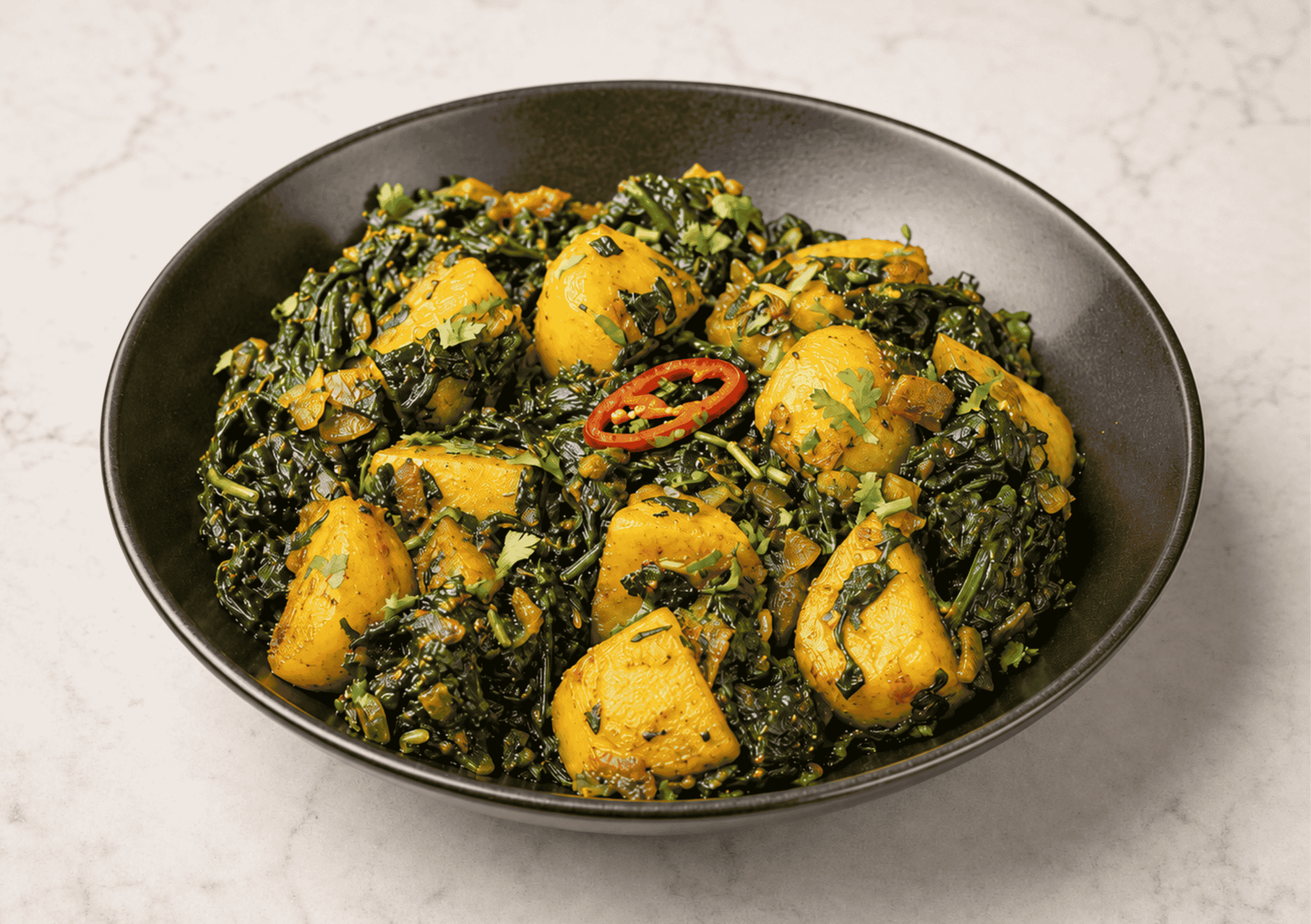
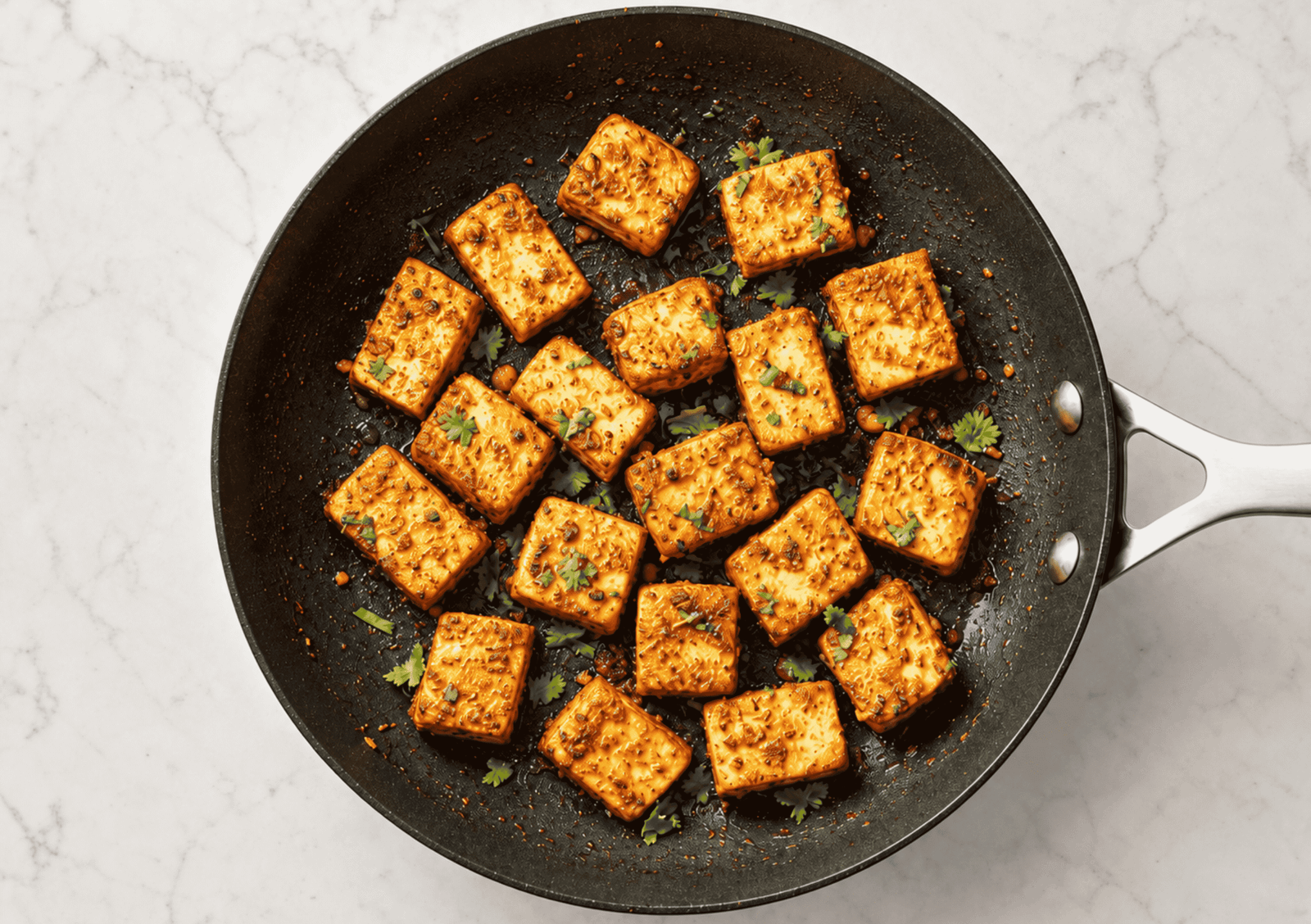
For a broader vegetarian meal, add aloo gobi, paneer tikka masala or a fresh salad. Cucumber raita is useful if you are serving a hotter curry alongside the dal.
How to Store, Freeze and Reheat Dal Makhani
Cool leftover dal promptly, place it in a covered container and refrigerate it within two hours. Eat it within two days. It thickens considerably in the refrigerator, so add a little water before reheating.
Freeze cooled dal in labelled portions for up to three months. For the freshest finish, freeze it before adding the cream and final butter. Defrost it in the refrigerator and use it within 24 hours once fully thawed.
Reheat dal makhani only once. Warm it in a saucepan over low heat, stirring frequently and adding water as needed, until steaming hot throughout. Add the cream and butter after the dal is hot if they were left out before storage.

Dal Makhani (Creamy Black Lentil Curry)
Ingredients
For the pulses
- 180 g whole black urad dal
- 50 g dried red kidney beans
- 1.2 litres cold water for pressure cooking
- 1 bay leaf
- 1¼ teaspoons fine salt divided
For the masala
- 2 tablespoons ghee
- 1 teaspoon cumin seeds
- 1 medium onion approximately 120g, finely chopped
- 1½ tablespoons Garlic and Ginger Paste
- 250 g passata
- 1 teaspoon Kashmiri chilli powder
- 1 teaspoon ground coriander
- 250 ml freshly boiled water plus more as needed
- 1 teaspoon dried fenugreek leaves
- 1 teaspoon garam masala
- 40 g unsalted butter
- 75 ml double cream plus a little extra to garnish if wanted
- 2 tablespoons finely chopped fresh coriander
Instructions
- Put the black urad and kidney beans in a large bowl. Rinse several times, cover with plenty of cold water and soak for at least 8 hours.
- Drain the pulses, rinse them thoroughly and place them in a 6 litre electric pressure cooker with 1.2 litres fresh water and the bay leaf. Cook on high pressure for 30 minutes, then allow a natural pressure release for at least 15 minutes.
- Open the cooker only when it is safe to do so. The kidney beans and black gram should crush completely under the back of a spoon. If either remains firm, add 250ml hot water and pressure cook for another 8 minutes, followed by a natural release.
- Stir ¾ teaspoon salt into the cooked pulses. Mash about one quarter of the mixture against the side of the cooker, leaving the remainder whole. Keep all the pulses in their cooking liquid and discard the bay leaf.
- Heat the ghee in a large, heavy based saucepan over a medium heat. Add the cumin seeds and fry for 30 seconds. Add the onion and cook for 8 to 10 minutes until soft and evenly golden.
- Add the garlic and ginger paste and cook for 1 minute, stirring continuously. Add the passata, Kashmiri chilli powder, ground coriander and remaining ½ teaspoon salt. Cook over a medium low heat for 10 to 12 minutes until thick and darker in colour.
- Pour the cooked pulses and their liquid into the masala. Add 250ml freshly boiled water and stir well. Bring to a gentle simmer.
- Partially cover the pan and simmer over the lowest heat for 60 minutes. Stir across the base every 8 to 10 minutes. Add more hot water, about 100ml at a time, whenever the dal becomes too thick to simmer freely.
- Crush the dried fenugreek between your palms. Stir it into the dal with the garam masala, butter and double cream. Simmer uncovered for another 8 to 10 minutes until creamy and glossy.
- Taste and adjust the salt. The dal should be thick but pourable, so add a little hot water if required. Rest off the heat for 10 minutes, then garnish with coriander and optional cream.
Notes
- Use whole black urad with the skin intact. Split or skinned urad will produce a different consistency and appearance.
- Pressure cookers vary. Follow the manufacturer’s safety and maximum fill instructions for your model.
- The pulses must be completely soft before they are added to the acidic tomato masala.
- Keep the heat low during the final simmer and stir frequently because thick black gram catches easily.
- For advance preparation, add the butter, cream, dried fenugreek and garam masala while reheating.
- Without a pressure cooker, boil the soaked and rinsed pulses briskly for 10 minutes, then simmer in fresh water until completely soft before continuing with the recipe.