
Coriander and Mint Chutney
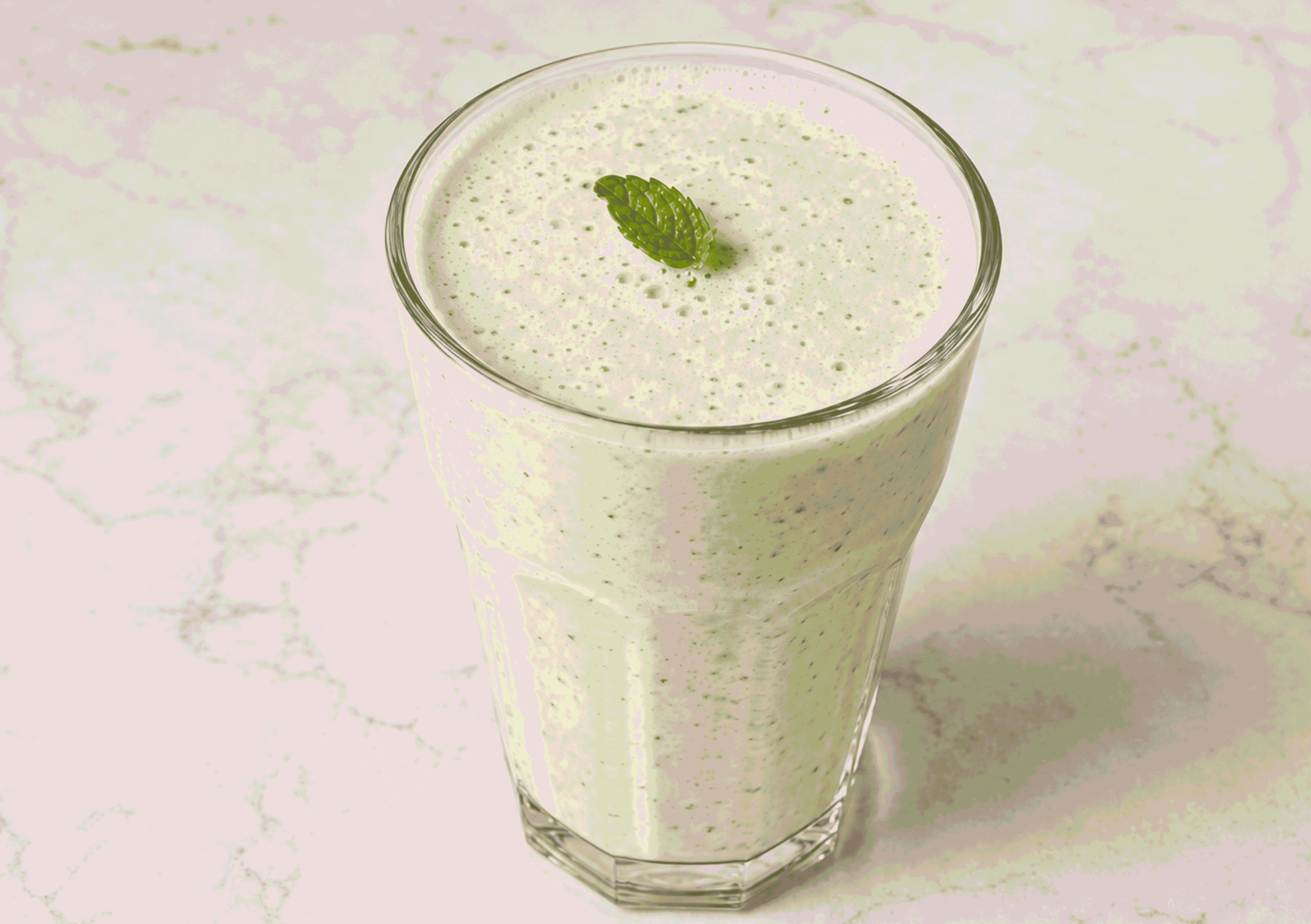
Coriander and mint chutney is the fresh green yoghurt dip served with poppadoms, samosas, onion bhajis and tandoori starters in many British curry houses. Fresh coriander gives it its vivid colour, mint adds a cooling note and green chilli provides a clean heat that can be adjusted easily.
This version is creamy and spoonable rather than watery. The herbs, chilli and garlic are first blended into a concentrated green paste, then whisked into full-fat natural yoghurt. Keeping most of the yoghurt out of the blender makes the final consistency easier to control.
The recipe serves four and makes approximately 250ml. It takes about 10 minutes to prepare, followed by a short rest in the fridge so the chilli, garlic and lime settle into the yoghurt.
What Is Coriander and Mint Chutney?
Coriander and mint chutney is a cold condiment made with fresh herbs, green chilli, garlic and lime. This curry house version also contains yoghurt, which softens the raw ingredients and gives the chutney a smooth, pale green finish.
Coriander provides most of the flavour and colour. Mint adds freshness without overpowering the coriander, while roasted cumin brings gentle warmth. Lime juice sharpens the herbs and prevents the yoghurt from tasting flat.
The balance varies between restaurants. Some versions are thin enough to pour from a bottle, while others are thick enough to hold on a poppadom. This recipe sits between the two, although it can be adjusted after blending.
Is It a Chutney or a Raita?
A fresh mixture of herbs, chilli and acid is commonly called green chutney. Once yoghurt forms a substantial part of the mixture, it also shares characteristics with raita.
British curry house names are not always strict definitions. Coriander and mint chutney, green chutney, mint raita and green yoghurt sauce can refer to closely related condiments. This recipe is best understood as a fresh herb chutney mellowed with yoghurt.
It is not the same as cucumber raita, which is thicker and contains grated cucumber. It is also different from curry house mint sauce, which is usually paler, sweeter and flavoured mainly with bottled mint sauce rather than a generous quantity of fresh herbs.
Which Yoghurt Works Best?
Full-fat natural yoghurt gives the chutney a creamy, pourable consistency without making it heavy. Choose an unsweetened yoghurt with a smooth texture and stir it before measuring.
Greek yoghurt produces a thicker dip. It works well, but may need to be loosened with a little cold water after the herb paste has been mixed in. Low-fat yoghurt can be used, although it tends to taste sharper and may release more whey as it stands.
Avoid blending all the yoghurt at high speed. Blending can loosen its structure and make the finished chutney thinner than expected. Blend a small portion with the herbs, then whisk that paste into the remaining yoghurt by hand.
How Spicy Is Coriander and Mint Chutney?
One medium green chilli gives gentle to moderate heat, but chillies vary considerably. For a mild chutney, remove the seeds and pale inner membrane or begin with half a chilli. For a hotter result, blend in more chilli after tasting.
The yoghurt softens the initial heat, and chilling can make the chutney seem milder. Taste it once after mixing and again after resting before deciding whether it needs more chilli.
How to Keep the Chutney Green
Use fresh coriander and mint without dark or wilted leaves. Tender coriander stems have plenty of flavour and can be included, but remove thick lower stalks. Strip the mint leaves from firm stems because those stems can make the chutney fibrous or bitter.
Dry the washed herbs thoroughly. Water clinging to the leaves dilutes the sauce and makes it harder to judge the consistency. Blend in short bursts only until the paste is reasonably smooth because extended blending warms and bruises the herbs.
The colour will naturally soften during storage. Lime juice contributes acidity and bright flavour, but it will not preserve a vivid green indefinitely. For the freshest appearance, make the chutney on the day it will be served.
How to Make Coriander and Mint Chutney
Wash and dry the herbs, then blend them with the chilli, garlic, lime, cumin and a small portion of the yoghurt. Whisk the concentrated green paste into the remaining yoghurt by hand, adjust the seasoning and consistency, then chill briefly before serving. See the recipe card at the bottom for exact quantities and printable directions
Ingredients You Will Need
- Full-fat natural yoghurt
- Fresh coriander
- Fresh mint leaves
- Fresh green chilli
- Garlic
- Fresh lime juice
- Ground cumin
- Fine salt
- Caster sugar, optional
- Cold water, only if needed
Cooking Instructions
Step 1: Prepare the herbs. Rinse the coriander and mint in cold water, then dry them thoroughly in a salad spinner or between clean tea towels. Remove the thick coriander stalks and all firm mint stems.
Step 2: Load the blender. Put the coriander, mint, green chilli, garlic, lime juice, ground cumin, salt, optional sugar and a small spoonful of the yoghurt in a mini blender or food processor.
Step 3: Make the herb paste. Blend in short bursts, stopping to scrape down the sides, until the herbs form a smooth green paste. Add a small splash of cold water only if the blades cannot move the mixture.
Step 4: Smooth the yoghurt. Place the remaining yoghurt in a mixing bowl and stir gently until any lumps disappear. Do not beat it vigorously because this can make it runny.
Step 5: Combine the chutney. Add the green herb paste to the bowl and whisk by hand until the colour is even and no dark streaks remain.
Step 6: Adjust the consistency. The chutney should coat a spoon but still pour easily. If it is too thick, stir in cold water one teaspoon at a time. If it is too thin, add a little more thick yoghurt.
Step 7: Season and chill. Taste and adjust the lime, salt or chilli. Cover and refrigerate for 20 minutes, then stir once more before serving cold.
Why Has My Chutney Become Watery?
Blending the full quantity of yoghurt is the most common cause of thin chutney. High speed blending loosens the yoghurt, so only a small amount should be added to help the herbs move around the blades.
Water left on the washed herbs can also dilute the mixture. Dry the coriander and mint before weighing them and add water only after the herb paste and yoghurt have been combined.
If a little whey appears after chilling, stir it back in. If the chutney remains too loose, fold in one or two spoonfuls of thick natural or Greek yoghurt. Adding more herbs will thicken it slightly but will also change the flavour balance.
Why Does My Chutney Taste Bitter?
Firm mint stems and thick coriander stalks can give blended chutney a coarse, bitter edge. Use mint leaves and soft tips, along with the leaves and tender upper stems of the coriander.
Over blending can also warm and bruise the herbs. Pulse only until the paste is smooth enough, rather than running the machine continuously. Burnt cumin, too much lime pith or an unusually bitter chilli can cause similar problems.
A small pinch of sugar can round off slight bitterness without making the chutney noticeably sweet. If the bitterness is strong, adding more sugar is unlikely to produce a balanced sauce.
Cooking Tips
- Dry the washed herbs thoroughly before blending.
- Weigh the coriander and mint after removing unusable stems.
- Include tender coriander stems because they contain useful flavour.
- Blend the herbs with only a small portion of the yoghurt.
- Pulse the blender and scrape down the bowl as needed.
- Add water only after checking the mixed chutney.
- Taste the chutney again after chilling because cold yoghurt softens the perception of chilli and salt.
- Use the chutney on the day it is made when a vivid green colour matters.
Variations and Substitutions
For a thicker dip, replace the natural yoghurt with full-fat Greek yoghurt and add cold water gradually until it reaches the required consistency.
Lemon juice can replace lime juice in the same quantity. It produces a slightly different citrus note but supplies the acidity needed to sharpen the herbs and yoghurt.
For a dairy free version, use a thick, unsweetened plant-based yoghurt. Soya yoghurt has a relatively neutral taste, while coconut yoghurt adds noticeable sweetness.
For a yoghurt free green chutney, omit the yoghurt and blend the herbs with the lime juice and just enough cold water to move the blades. This produces a stronger, hotter chutney that should be served in smaller amounts.
Chaat masala can be added for extra tang. Begin with a small pinch and taste before adding more salt because chaat masala is already salty.
What to Serve with Coriander and Mint Chutney
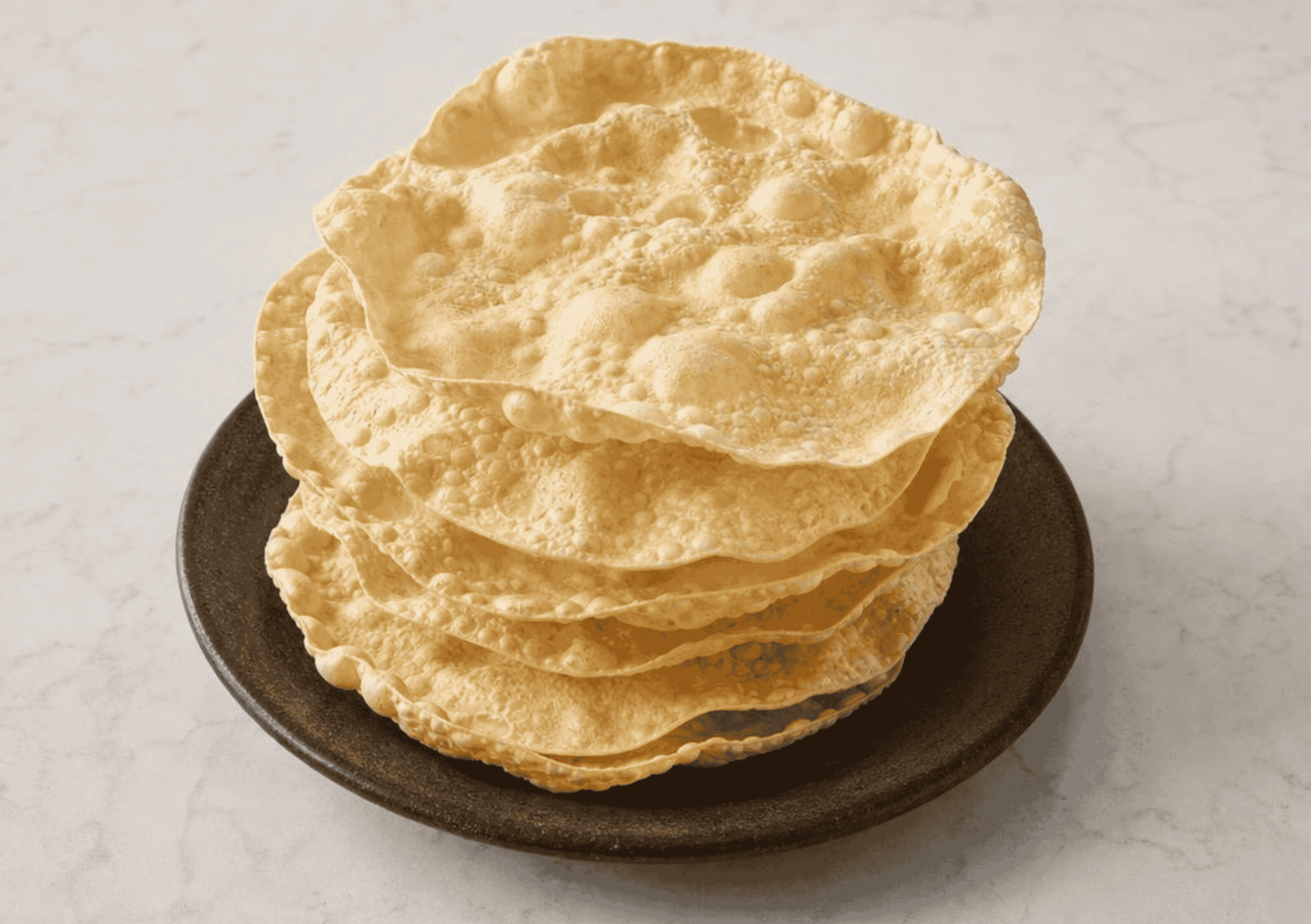
Serve the chutney with poppadoms, vegetable samosas, onion bhajis, pakoras or chaat. The yoghurt cools fried starters, while the herbs, chilli and lime keep the dip fresh and savoury.
It also works well with chicken tikka, tandoori lamb tikka, paneer tikka and seekh kebabs. Spoon it into wraps with grilled meat or vegetables, or serve it beside naan and chapati as part of a larger curry meal.
For a curry house chutney tray, pair it with red onion chutney, mango chutney and sweet tamarind sauce. Each brings a different balance of freshness, sweetness, acidity and heat.
How to Store Coriander and Mint Chutney
Transfer the chutney to a clean airtight container and refrigerate it promptly. It is at its brightest on the day it is prepared and is best eaten within two days.
Stir before serving because a little whey may collect around the edges. Discard the chutney if it develops visible mould, an unusual smell or another sign of spoilage.
Freezing the finished yoghurt chutney is not recommended. The yoghurt can separate when thawed and the herbs lose their fresh colour. If necessary, freeze the concentrated herb paste separately, defrost it in the fridge and combine it with fresh yoghurt before serving.

Coriander and Mint Chutney
Ingredients
- 200 g full-fat natural yoghurt
- 30 g fresh coriander leaves and tender stems
- 12 g fresh mint leaves firm stems removed
- 1 medium green chilli roughly chopped
- 1 small garlic clove roughly chopped
- 2 teaspoons fresh lime juice
- 1/2 teaspoon ground cumin preferably freshly roasted
- 1/4 teaspoon fine salt or to taste
- 1 small pinch caster sugar optional
- 1 to 2 tablespoons cold water only if needed
Instructions
- Wash and thoroughly dry the coriander and mint. Remove thick coriander stalks and firm mint stems.
- Put the herbs, chilli, garlic, lime juice, cumin, salt, optional sugar and 2 tablespoons of yoghurt in a mini blender.
- Blend in short bursts until smooth, scraping down the sides as needed. Add 1 teaspoon cold water only if the blades cannot move the mixture.
- Stir the remaining yoghurt in a bowl until smooth, then whisk in the green herb paste by hand.
- Check the consistency and add cold water 1 teaspoon at a time only if the chutney is too thick.
- Taste and adjust the lime, salt or chilli. Cover and refrigerate for 20 minutes.
- Stir the chutney and serve cold.
Notes
- One green chilli gives gentle to moderate heat, depending on its variety.
- Removing the chilli seeds and inner membrane makes the chutney milder.
- Blend only a small portion of the yoghurt to help retain a creamy consistency.
- Greek yoghurt can be used for a thicker result.
- The chutney is at its greenest on the day it is made.
- Keep refrigerated and use within two days.
- Freezing the finished yoghurt chutney is not recommended.