Curry House Garlic Naan
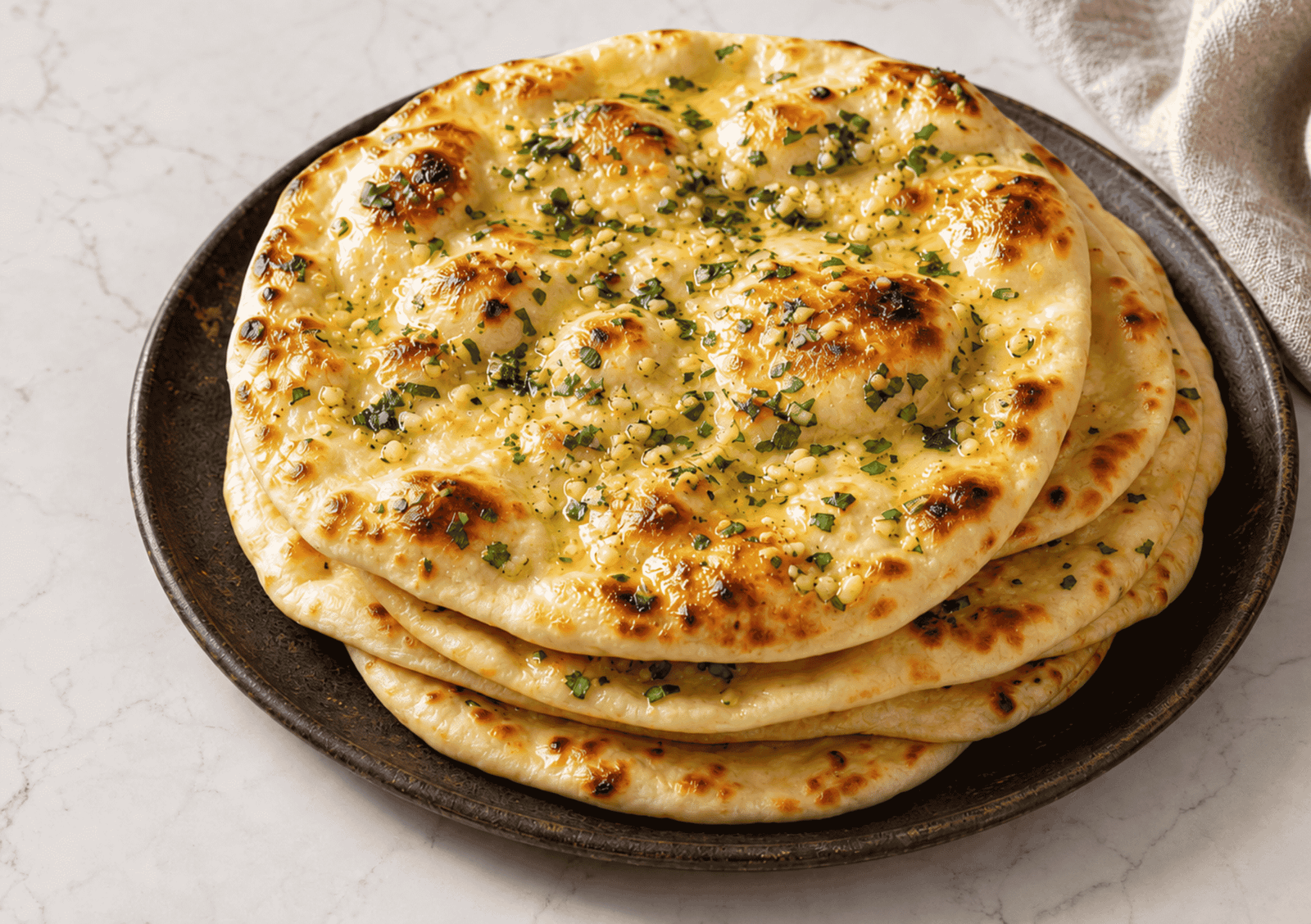
Garlic naan adds a savoury, buttery finish to the soft flatbread served with British curry house meals. The bread itself should remain light and flexible, with raised bubbles and toasted patches, while the garlic should taste fragrant rather than raw or burnt.
This version uses a yeast raised dough cooked in a heavy frying pan, so no tandoor is required. The garlic is gently fried in ghee and brushed over each naan after cooking. That small separation keeps the flavour fresh and prevents chopped garlic from scorching against the hot pan.
The recipe makes six large naans to serve four people. The dough takes time to prove, but the active preparation is straightforward and each naan cooks quickly once the pan is hot.
What Is Garlic Naan?
Garlic naan is a leavened flatbread finished with garlic and fat, often with fresh coriander added for colour and freshness. It is closely associated with Indian restaurants and British curry houses, where it is commonly served alongside saucy curries.
Traditional naan is cooked against the hot wall of a tandoor. At home, a heavy cast iron pan or tawa can create a similar combination of bubbles, darker toasted patches and a tender middle. The finished result will not be identical to tandoor baked bread, but it gives the naan the right character without specialist equipment.
Why Fry the Garlic Before Brushing the Naan?
Raw garlic burns quickly at the temperatures needed to cook naan. If it is pressed into the dough before cooking, the exposed pieces can blacken before the bread is ready and create a harsh, bitter taste.
Gently frying the garlic in ghee softens its raw edge and transfers its flavour into the fat. Brushing this mixture over the naan immediately after cooking allows the warm bread to absorb it evenly. You can keep the garlic pale for a softer flavour or cook it until lightly golden for a nuttier finish.
What Makes the Dough Light and Chewy?
Yeast creates gas during proving, which gives the naan an airy interior and a gentle chew. Baking powder adds a small amount of extra lift when the dough reaches the hot pan. Sugar feeds the yeast and also helps the bread colour.
The dough is deliberately soft and fairly moist. A dry dough may be easier to handle, but it cannot expand as readily and is more likely to produce hard naan. Thorough kneading and lightly oiled hands are more useful than adding large amounts of extra flour.
Which Flour Should You Use?
Plain white flour works well and produces a soft curry house style naan. Strong white bread flour is also suitable and gives a slightly chewier texture. It may absorb a little more water, so judge the dough after mixing rather than adding extra liquid immediately.
Gram flour cannot replace wheat flour in this recipe because it contains no gluten. Wholemeal flour can replace a small portion of the white flour, but it will make the naan denser and may require a little more water.
How to Make Garlic Naan
Mix and knead a soft yeast dough, then leave it covered until it has risen substantially. Divide the dough and allow the portions to rest before rolling. Cook each naan in a very hot dry pan, then brush it immediately with warm garlic and coriander ghee. See the recipe card at the bottom for exact quantities and printable directions
Ingredients You Will Need
- Plain white flour
- Fast action dried yeast
- Baking powder
- Caster sugar
- Fine salt
- Warm water
- Neutral vegetable oil
- Ghee or butter
- Fresh garlic
- Fresh coriander
Cooking Instructions
Stir the yeast and sugar into warm water and leave it briefly until a light foam develops. The water should feel comfortably warm rather than hot because excessive heat can damage the yeast.
Combine the flour, baking powder and salt in a large bowl. Add the yeast mixture and oil, then stir until no dry flour remains and a soft dough begins to form.
Knead the dough until it becomes smoother, more elastic and able to stretch without tearing immediately. It should remain tacky. Use lightly oiled hands if necessary and add extra flour only when the dough is genuinely unmanageable.
Place the dough in a lightly oiled bowl and cover it. Leave it in a warm, draught free place until it has almost doubled and feels light when gently pressed.
Divide the dough evenly and shape each portion into a smooth ball. Keep the balls covered and allow them to rest so the gluten relaxes and the dough becomes easier to roll.
While the dough rests, warm the ghee over a gentle heat. Add the chopped garlic and cook until fragrant and just beginning to colour. Remove it from the heat and stir in the chopped coriander.
Heat a heavy frying pan, cast iron skillet or tawa over medium high heat. Roll one dough ball into a thin oval or teardrop, keeping the remaining portions covered.
Brush the underside lightly with water and place it wet side down in the dry hot pan. Cook until bubbles rise across the surface and the base develops dark golden patches. Turn the naan and cook the second side until coloured and cooked through.
Transfer the naan to a plate and brush generously with the warm garlic ghee. Cover loosely with a clean tea towel while cooking the remaining breads, reheating the topping gently if it begins to solidify.
How Long Should the Dough Prove?
The first prove generally takes between one hour and an hour and a half in a warm kitchen. Room temperature, yeast activity and water temperature all affect the pace, so the dough’s appearance matters more than an exact minute count.
After dividing, the dough balls need another rest. They do not need to double again. The purpose is to relax the gluten, keep the portions soft and make them easier to roll without shrinking back.
How Soft Should Naan Dough Be?
The mixed dough should feel soft and tacky but still hold its shape. It may cling briefly to your fingertips, especially during the first few minutes of kneading. As gluten develops and the flour absorbs the water, it should become easier to handle.
If the dough spreads like a thick batter after thorough kneading, add flour a spoonful at a time. If it feels firm and develops cracks around the edges, knead in a small splash of water. Small adjustments preserve the balance better than a large correction.
Which Pan Is Best for Garlic Naan?
Cast iron is useful because it retains high heat between breads. An iron tawa or heavy stainless steel frying pan also works. A thin pan heats unevenly and may burn isolated areas before the centre of the naan cooks.
Non stick pans should only be heated within the manufacturer’s guidance. There is no need to invert the pan over a gas flame. Cooking both sides against the pan works on gas, electric and induction hobs and avoids exposing handles or coatings to direct flame.
How Hot Should the Pan Be?
The pan should be thoroughly preheated before the first naan is added. Bubbles should begin to appear soon after the dough touches the surface. If they develop very slowly, the naan will dry before it inflates.
Begin with medium high heat and adjust after the first bread. Dark brown patches are desirable, but a base that blackens while the upper surface remains flat indicates excessive heat. Wipe away burnt flour between batches because it can make later naans taste bitter.
Can You Make the Dough Ahead?
The dough can be prepared the day before. After kneading, leave it at room temperature only until fermentation has started, then cover it securely and refrigerate overnight. The cooler temperature slows the yeast and develops a slightly deeper flavour.
Bring the dough out of the fridge in advance and allow it to become pliable before dividing. Cold dough resists rolling and takes longer to inflate in the pan. Once softened, continue with the shaping and resting stages.
Garlic Naan Variations
For chilli garlic naan, add finely chopped green chilli to the garlic ghee after removing it from the heat. Keeping the chilli out of the pan prevents the small pieces from burning.
For cheese and garlic naan, place grated mature Cheddar or low moisture mozzarella in the centre of a dough portion. Pinch the edges securely over the filling, rest it briefly and roll gently before cooking. Avoid overfilling because melted cheese can break through and stick to the pan.
For coriander free garlic naan, leave out the herb without replacing it. Flat leaf parsley can provide colour but changes the flavour and is not necessary.
Butter can replace ghee, although its milk solids colour more quickly when the garlic is fried. Keep the heat low and remove the pan as soon as the garlic smells fragrant.
Cooking Tips
- Weigh the flour because cups vary considerably according to how firmly they are filled.
- Keep the dough balls covered so their surfaces do not dry while other naans cook.
- Use minimal flour during rolling. Loose flour burns in the pan and leaves a bitter residue.
- Cook the garlic gently. Dark brown garlic will continue cooking in the hot fat after the pan leaves the heat.
- Roll each naan only when the pan is ready so the shaped dough does not form a dry skin.
- Brush the garlic ghee over both the centre and edges immediately after cooking.
- Keep the cooked naan loosely covered rather than sealing it while piping hot.
Why Is My Naan Not Bubbling?
The dough may be under proved, too dry or placed in a pan that is not hot enough. Make sure the dough has expanded noticeably, remains soft and reaches a thoroughly heated surface.
Rolling too forcefully can also press out much of the trapped gas. Use steady, light pressure and stop as soon as the naan reaches an even thickness. Cook it without delay.
Why Does the Garlic Taste Bitter?
Garlic becomes bitter when it is browned too deeply or exposed directly to intense pan heat. Fry it over low to medium low heat and remove it while it is pale golden. The residual heat in the ghee will continue cooking it slightly.
If the topping has already become dark and acrid, it is better to make a fresh small batch than spread it across all the naan. Burnt garlic cannot be corrected with more butter or coriander.
What to Serve with Garlic Naan
Garlic naan works particularly well with chicken tikka masala, butter chicken, chicken korma, lamb bhuna and rogan josh. Its savoury topping also suits tarka dhal, saag paneer and keema curry.
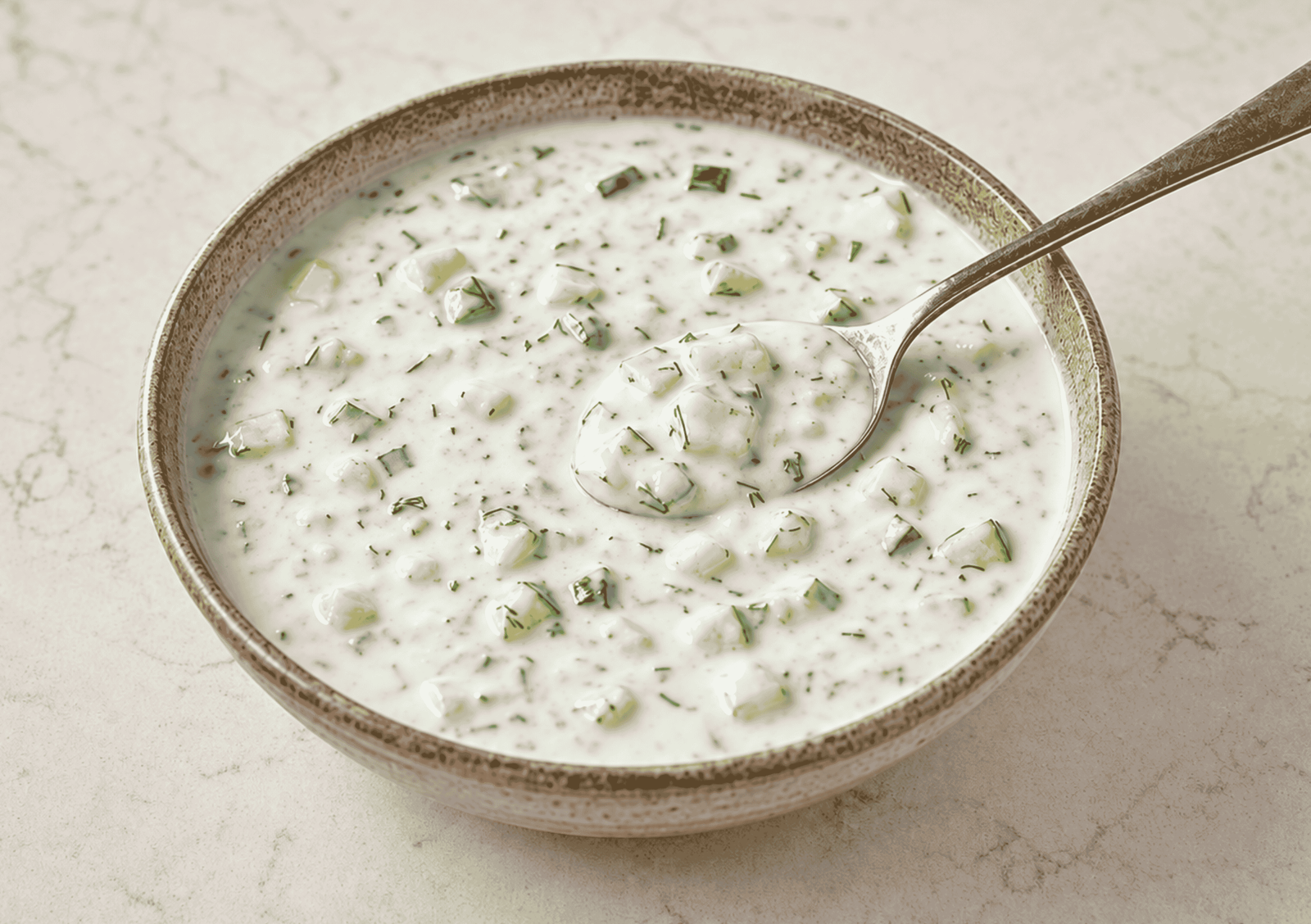
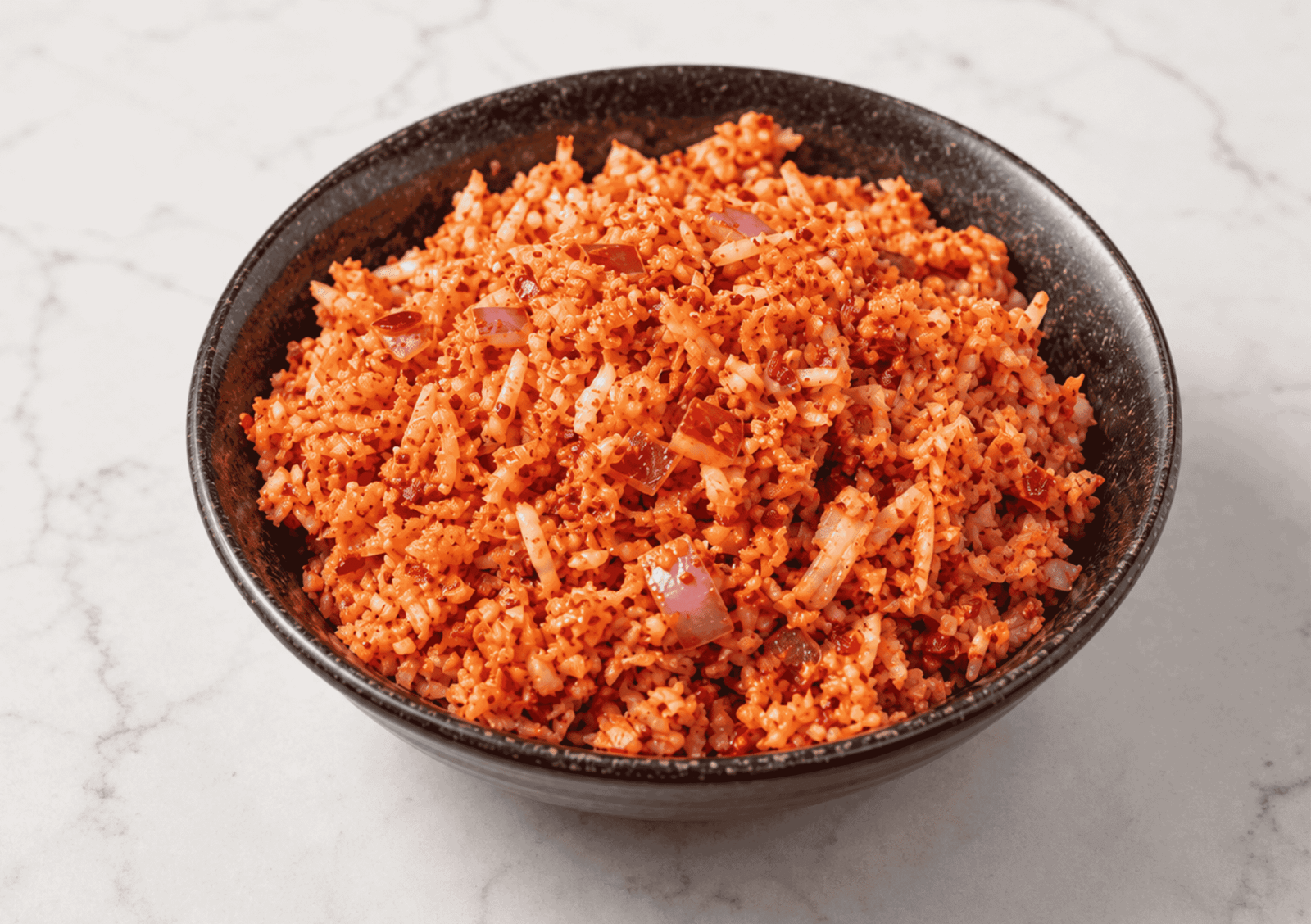
For a complete curry house meal, serve smaller pieces alongside pilau rice, cucumber raita, mint sauce and red onion chutney. The garlic flavour is pronounced, so plain rice provides a useful contrast.
How to Store and Reheat Garlic Naan
Allow leftover naan to cool, then separate the breads with baking paper and seal them in an airtight container. Refrigerate within two hours and eat within two days. The garlic topping will firm when chilled but soften again during reheating.
Warm naan in a dry frying pan over medium heat, turning once, or wrap it loosely in foil and place it in a moderate oven. Make sure it becomes steaming hot throughout. Avoid prolonged reheating because the garlic can darken and the bread can become dry.
The cooked naan can also be frozen. Separate the cooled breads with baking paper and place them in a freezer bag. For the best texture, use within three months. Defrost in the fridge or reheat gently from frozen.

Curry House Garlic Naan
Ingredients
For the Naan Dough
- 450 g plain white flour plus up to 25g extra for dusting
- 7 g fast action dried yeast
- 15 g caster sugar
- 1 teaspoon baking powder
- 1 1/4 teaspoons fine salt
- 310 ml warm water approximately 35°C
- 1 tablespoon neutral vegetable oil plus extra for the bowl
For the Garlic Ghee
- 50 g ghee or unsalted butter
- 4 garlic cloves very finely chopped
- 3 tablespoons finely chopped fresh coriander
Instructions
- Stir the warm water, sugar and yeast together in a jug. Leave for 5 to 10 minutes, until a light foam appears.
- Mix 450g flour, the baking powder and salt in a large bowl. Pour in the yeast mixture and vegetable oil, then stir until a soft dough forms.
- Knead by hand for 8 to 10 minutes, or with a dough hook for 6 minutes. The dough should become smoother and elastic while remaining tacky. Add the reserved flour a tablespoon at a time only if it is unmanageably wet.
- Place the dough in a lightly oiled bowl, cover and prove in a warm place for 60 to 90 minutes, until almost doubled.
- Divide into 6 equal pieces, shape into balls and place them on a lightly floured tray. Cover and rest for 30 minutes.
- Melt the ghee in a small frying pan over medium low heat. Add the garlic and cook for 1 to 2 minutes, stirring, until fragrant and very lightly golden. Remove from the heat and stir in the coriander.
- Preheat a heavy frying pan, cast iron skillet or tawa over medium high heat for 5 minutes. Roll one dough ball into an oval approximately 3mm thick and brush the underside lightly with water.
- Place the wet side against the dry pan. Cook for 60 to 90 seconds, until bubbles rise and the base develops dark golden patches. Turn and cook for another 45 to 60 seconds, until coloured and cooked through.
- Transfer to a plate and brush generously with the garlic ghee. Cover loosely with a clean tea towel and repeat with the remaining dough.