Nasi Uduk (Indonesian Coconut Rice)
Nasi uduk is coconut rice scented with lemongrass, pandan, Indonesian bay leaves, ginger and galangal. The rice is savoury and gently rich, with enough fragrance to sit alongside fried chicken, eggs, tofu or tempeh without needing a heavy sauce.
This Betawi style version uses a rice cooker. The important detail is to count the coconut milk as part of the cooking liquid and use the cooker’s matching rice and water measurements. After cooking, a short rest gives the grains time to finish steaming before they are fluffed and served.
What Is Nasi Uduk?
Nasi uduk is closely associated with the Betawi food of Jakarta, Indonesia. Rice cooks with coconut milk and aromatics, which give it a fuller flavour than plain steamed rice. It can form part of breakfast or a larger meal with several accompaniments.
The rice itself is not spicy. Chilli usually comes from a sambal served alongside it, allowing each person to choose how much heat to add.
This recipe focuses on the coconut rice rather than preparing an entire nasi uduk meal. Rolled omelette, fried chicken, cucumber and sambal can be prepared separately according to what you want to serve.
Which Rice Should I Use?
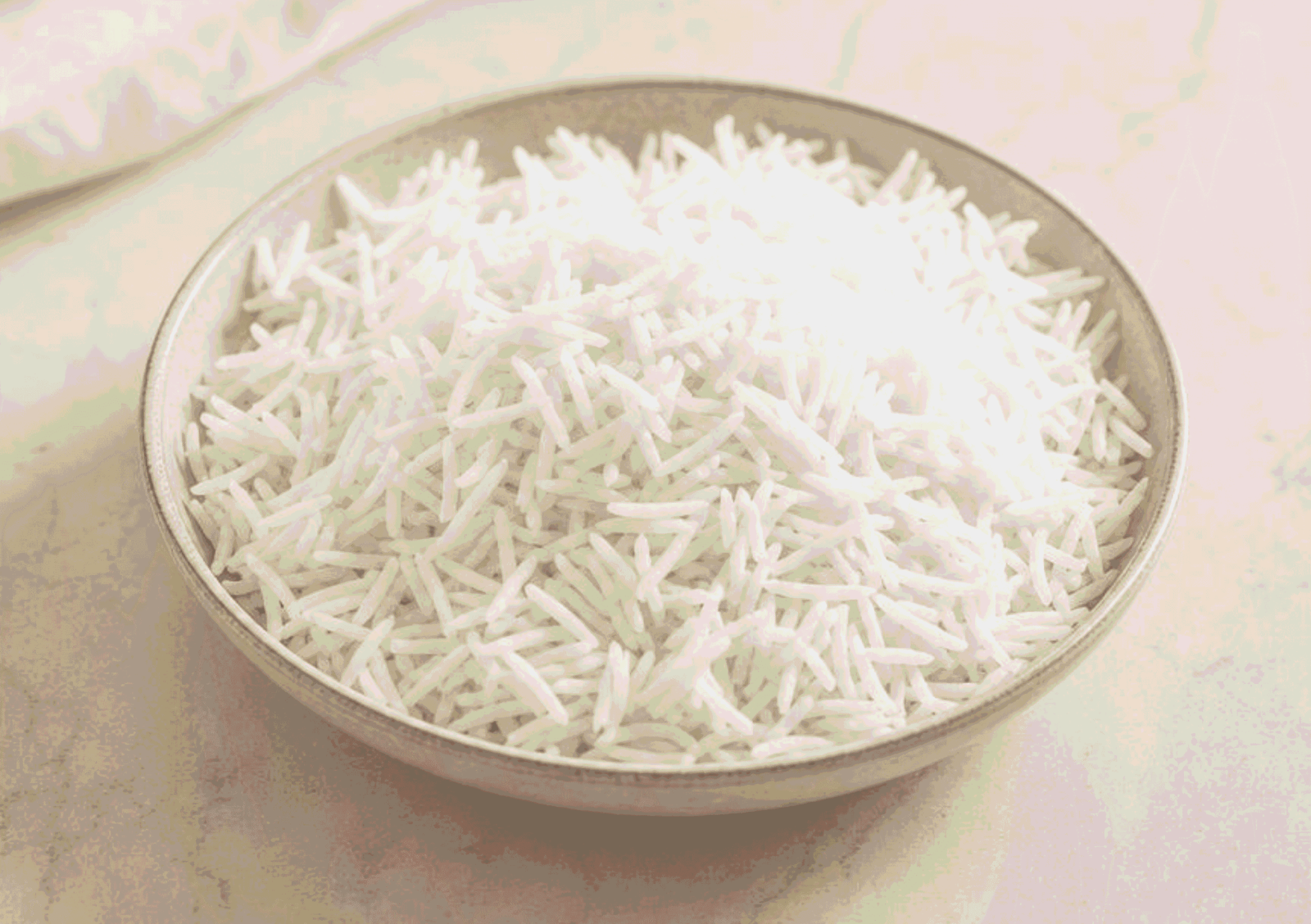
Jasmine rice suits this version because of its fragrance and tender texture. Choose ordinary uncooked jasmine rice, rather than instant, precooked or glutinous rice. The grains will have a softer texture than a basmati pilau.
Measure the dry rice first, then rinse and drain it before adding the cooking liquid. With this fill-to-line method, any residual rinse water is included in the final liquid level. Draining still makes the rice easier to handle, but it is not a separate liquid adjustment. There is no soaking stage in this method.
Brown rice needs different settings and cooking conditions, so it is not a direct replacement here. For a first batch, use white jasmine rice and the appropriate white rice water mark in your cooker.
The Aromatics That Give Nasi Uduk Its Flavour
Pandan contributes a rounded, sweet fragrance without making the rice taste sugary. Use fresh or frozen leaves, washed and tied into loose knots. Green pandan essence or sweetened pandan paste would change the colour and flavour and should not replace the leaves in this recipe.
Lemongrass brings a citrus aroma. Bruising the stalks helps release their fragrance while keeping them large enough to remove after cooking.
Indonesian bay leaves, called daun salam, are different from Mediterranean bay leaves. Look for the Indonesian name when buying them. Fresh, frozen or dried daun salam can be used; ordinary bay leaves will give a different flavour. If daun salam is unavailable, omit it rather than assuming the two leaves are interchangeable.
Ginger, galangal and a little ground coriander add another layer of aroma. Galangal is more peppery and fragrant than ginger, so both are included. These ingredients season the rice gently rather than producing the intensity of a curry paste.
Why Do the Rice Cooker Cup and Water Mark Matter?
A rice cooker cup is usually smaller than a standard measuring cup. This recipe uses two level 180ml rice cooker cups, giving 360ml of dry rice. If the original cup is missing, measure that total volume accurately with a measuring jug. The approximate gram weight is useful as a guide, but the measured dry rice volume is the reference for the cooker’s two cup line.
The coconut milk is added before topping up with water. It replaces part of the water; it is not extra liquid added after filling the pot to its mark. Read the level before adding the bulky leaves and stalks, which can make the liquid harder to judge.
Use the two-cup water line and setting your cooker recommends for jasmine rice. If it has separate jasmine rice markings, use those rather than automatically choosing a generic white rice line. The pot must sit level when you read the liquid level.
The water quantity deliberately follows the cooker’s calibrated line rather than a universal millilitre amount. This method assumes your cooker uses 180ml rice cups and permits coconut milk rice. If it specifies different liquid measurements for coconut rice, follow that guidance. Cookers with another measuring system need their own matching instructions.
How to Make Nasi Uduk
Have the washed aromatics ready before starting the cooker. Use unsweetened, full fat coconut milk intended for cooking, stirred until smooth. Thin coconut drinks do not provide the same richness. See the recipe card at the bottom for exact quantities and printable directions
Ingredients
- Jasmine rice
- Full fat coconut milk
- Water
- Lemongrass
- Pandan leaves
- Indonesian bay leaves, or daun salam
- Fresh ginger
- Galangal
- Ground coriander
- Fine salt
- Crisp fried shallots, optional, to serve
- Cucumber, optional, to serve
Cooking Instructions
Step 1: Rinse and drain the rice. Measure the dry rice with two level 180ml rice cooker cups, or measure the same total volume with a jug. Rinse in several changes of cool water until the water becomes less cloudy. Drain in a fine sieve for about 5 minutes, preparing the aromatics while it drains. Do not soak the rice.
Step 2: Prepare the aromatics. Trim the lemongrass, remove the tough outer layers and bruise the stalks with the flat side of a knife or a rolling pin. Fold or cut them into lengths that fit the pot. Wash the pandan and tie the leaves into loose knots. Rinse the Indonesian bay leaves and prepare the ginger and galangal slices.
Step 3: Measure the coconut milk and water. Put the drained rice into the cooker’s inner pot and spread it evenly. Add the measured coconut milk, then add water up to the two-cup line recommended for jasmine rice. Stir gently to distribute the coconut milk, level the rice and recheck the liquid level with the pot sitting flat. Read the level before adding the aromatics. Follow any specific coconut rice liquid guidance from the manufacturer instead if it differs.
Step 4: Cook the rice. Stir in the ground coriander and salt, then place the lemongrass, pandan, Indonesian bay leaves, ginger and galangal among the rice. Close the lid and run the cycle recommended for jasmine rice, usually the white rice or dedicated jasmine setting. Let the cooker complete its cycle rather than stopping it at a fixed number of minutes.
Step 5: Rest with the lid closed. When cooking finishes, leave the rice undisturbed on the warm setting for 10 minutes. Keep the lid closed so the trapped steam can finish distributing through the grains.
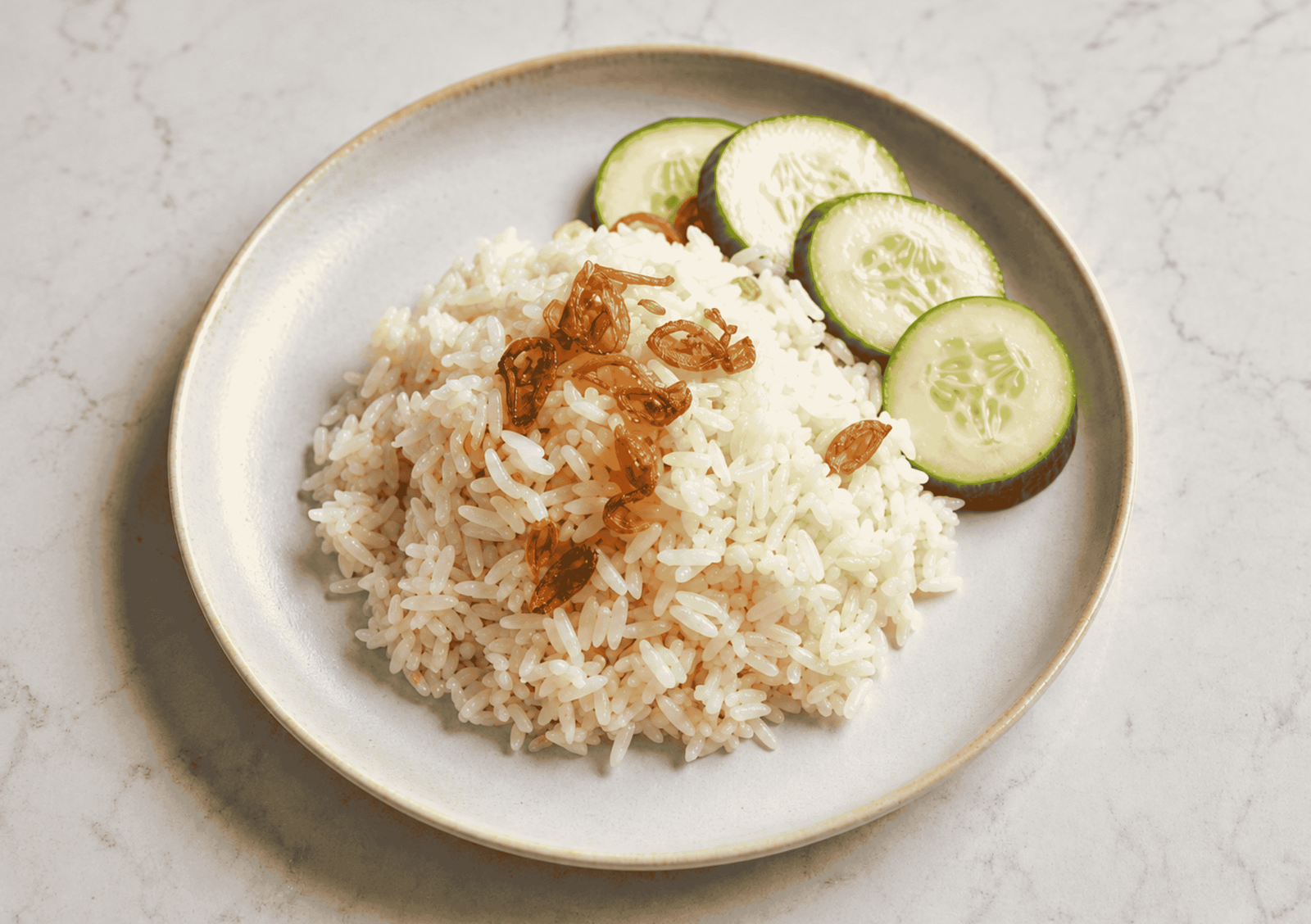
Step 6: Remove the aromatics and serve. Open the lid and lift out the lemongrass, pandan, Indonesian bay leaves, ginger and galangal. Gently lift and turn the rice with a rice paddle to loosen it without crushing the grains. Serve plain or with the optional fried shallots and sliced cucumber.
How Much Coconut Milk Does Nasi Uduk Need?
This version uses a modest amount of coconut milk so the rice remains suitable for serving with richly flavoured dishes. The lemongrass and leaves provide much of its fragrance.
Adding more coconut milk without reducing another part of the liquid can make the rice too wet. Using a much richer coconut cream can also change the result, even when the liquid reaches the same line. For consistency, begin with the full fat coconut milk specified in the card.
Shake or stir the coconut milk thoroughly before measuring. Taking only the thick top layer from a separated tin makes the amount of coconut fat less predictable.
Why Is My Coconut Rice Too Soft or Still Firm?
If the rice is too soft, check the measured dry rice volume, the selected water line and whether the pot was level when filled. Also check that the coconut milk was included before filling to the line. Fluff the cooked rice gently and allow excess steam to escape briefly; avoid stirring it into a sticky mass. Overcooked grains cannot be made firm again.
If the grains remain firm, make sure the correct jasmine rice cycle was used and the full resting time was allowed. If the rice is dry as well as undercooked, start by sprinkling over 1 tablespoon of hot water and finish steaming using the cooker manufacturer’s recommended procedure. Check again before adding more. A firm grain surrounded by liquid needs more cooking rather than extra water.
What to Serve with Nasi Uduk
Serve the rice with sliced omelette for a simple meal, or add Indonesian fried chicken, fried tofu or tempeh for a larger spread. Sambal terasi supplies chilli heat and a savoury shrimp paste flavour, while cucumber provides a fresh accompaniment.
Beef rendang and spiced fish are also useful serving options when you want a richer meal. Keep the rice lightly seasoned so it supports the main dish rather than competing with it.
Nasi uduk can be spooned straight onto plates or gently pressed into a small bowl and turned out for serving. Shaping is optional and does not affect the cooking method.
How to Store and Reheat Nasi Uduk
Refrigerating
Cool leftover rice as quickly as possible, ideally within one hour. Divide it into shallow portions instead of leaving it to cool in the rice cooker. Once cool, cover and refrigerate, then use within 24 hours.
Freezing
Rice can be frozen in individual portions after rapid cooling. Aim to get it into the freezer within one hour of cooking. Defrost in the fridge before reheating.
Reheating
Reheat only the portion needed and only once. Sprinkle with a little water, cover loosely in a microwave safe dish and heat, stirring partway through, until steaming hot throughout. Follow the microwave’s standing time guidance and eat immediately after reheating.

Nasi Uduk (Betawi Coconut Rice)
Ingredients
For the rice
- 360 ml dry jasmine rice measured as two level 180ml rice-cooker cups; approximately 300g
- 125 ml unsweetened full-fat coconut milk stirred until smooth
- Water enough to reach the cooker’s two-cup line recommended for jasmine rice after adding the rice and coconut milk; follow any different coconut-rice liquid guidance for your model
- 2 lemongrass stalks trimmed and bruised
- 2 pandan leaves washed and loosely knotted; thaw first if frozen
- 4 Indonesian bay leaves or daun salam, fresh, frozen or dried
- 2 thin slices peeled fresh ginger about 5g in total
- 2 thin slices galangal about 5g in total
- 1 teaspoon ground coriander
- ⅛ teaspoon fine salt
Optional, to serve
- 2 tablespoons crisp fried shallots
- 1 small cucumber sliced
Instructions
- Measure two level 180ml rice-cooker cups of dry rice, or 360ml with a measuring jug. Rinse until the water becomes less cloudy, then drain in a fine sieve for about 5 minutes while preparing the aromatics. Do not soak.
- Trim and bruise the lemongrass, folding or cutting it to fit the pot. Wash and knot the pandan. Rinse the Indonesian bay leaves and prepare the ginger and galangal slices.
- Spread the drained rice evenly in the inner pot. Add 125ml coconut milk, then add water to the two-cup line recommended for jasmine rice. Stir gently, level the rice and recheck the liquid with the pot sitting flat, before adding aromatics. Follow any different coconut-rice liquid guidance for your model instead.
- Stir in the coriander and salt. Add the lemongrass, pandan, Indonesian bay leaves, ginger and galangal. Close the lid and run the recommended jasmine-rice cycle, usually white-rice or a dedicated jasmine setting, until the cooker signals completion.
- Leave the lid closed and rest the rice on the warm setting for 10 minutes.
- Remove the lemongrass, pandan, Indonesian bay leaves, ginger and galangal. Fluff gently with a rice paddle and serve, adding the optional fried shallots and cucumber if desired.
Notes
- Measure dry rice before rinsing. Use two level 180ml rice-cooker cups, or 360ml in total, not two standard 240ml or 250ml kitchen cups. The approximate 300g weight is a guide, not a replacement for the volume reference used by the pot’s line.
- Coconut milk replaces some of the water. Add it before topping up to the line; do not fill with water first and then add the coconut milk.
- Read the liquid level before adding bulky leaves and stalks. The exact millilitres of water depend on the cooker’s calibrated pot, so no universal additional water quantity is specified.
- Use the line and setting recommended for jasmine rice, including a dedicated jasmine line if provided. Your cooker must permit coconut-milk rice. Follow any model-specific liquid instructions in preference to the general fill-to-line method.
- The 15-minute preparation estimate includes measuring, rinsing, draining and preparing the aromatics. The 30-minute cooking time is an estimate, so total time is 25 minutes plus your cooker’s actual cycle. Run the full cycle even if it takes longer.
- Jasmine rice gives the intended fragrant, tender texture. Brown, glutinous, instant or precooked rice are not direct substitutes for this method.
- Indonesian bay leaves are daun salam, not Mediterranean bay leaves. Omit them if unavailable; the flavour will be less complete. Fresh or frozen pandan leaves are preferable to essence or sweetened paste.
- No soaking time is needed. Rest the cooked rice for the full 10 minutes before fluffing.
- Cool leftovers promptly, ideally within one hour, and refrigerate for no more than 24 hours. Do not leave rice cooling in the cooker. Reheat once until steaming hot throughout and eat immediately.