Coconut Rice (Fragrant and Fluffy Jasmine Rice)
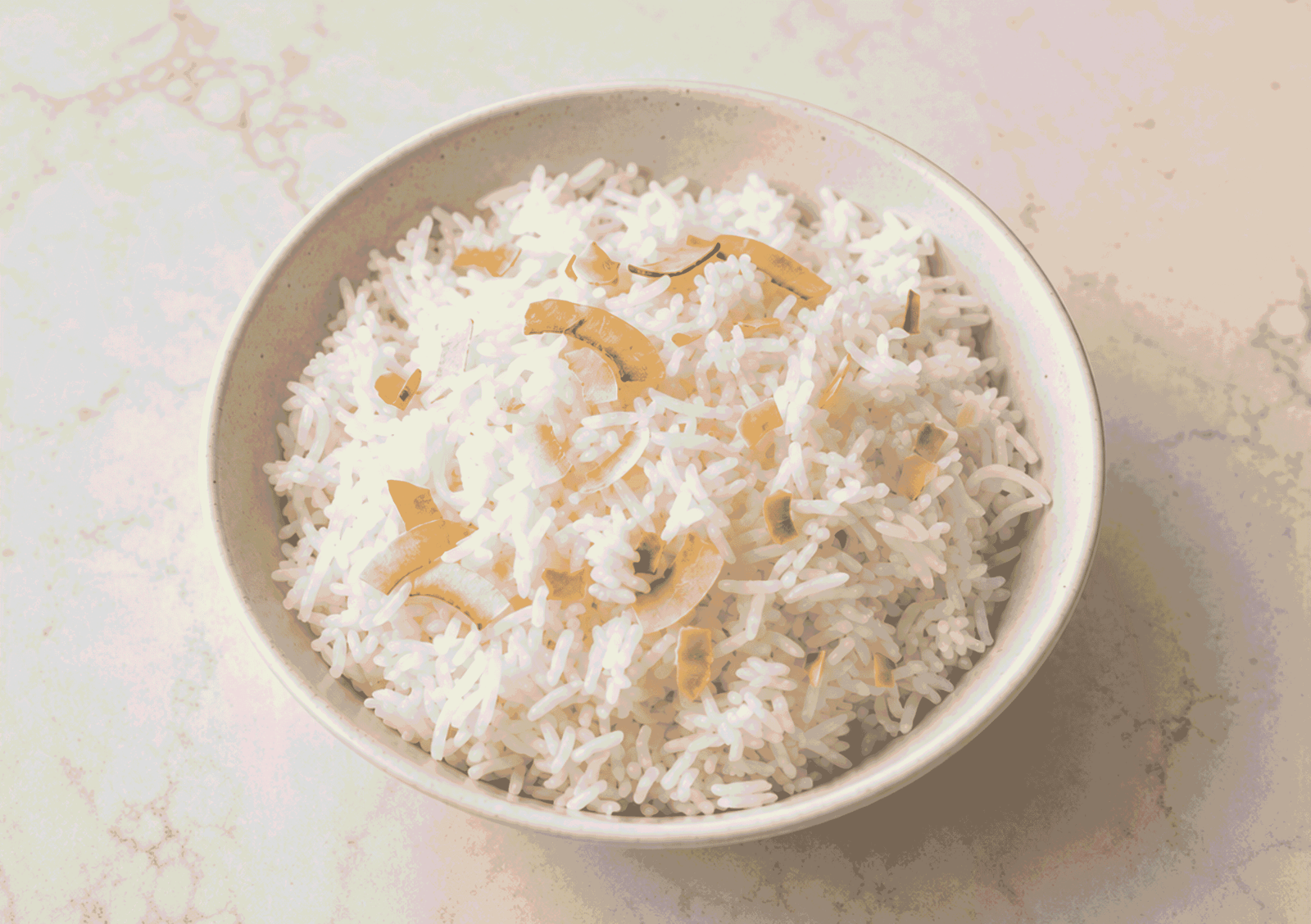
Coconut rice turns a simple bowl of rice into a fragrant side dish with very little extra work. This version combines jasmine rice with full fat coconut milk and optional pandan, then cooks it in the oven so the grains absorb the liquid evenly without catching on the bottom of a saucepan.
The finished rice is savoury, gently coconutty and only subtly sweet. It is particularly useful with Malaysian and Thai curries, grilled fish, sambal dishes and rich, slow cooked meat recipes.
What Is Coconut Rice?
Coconut rice is a broad name for rice cooked with coconut milk or freshly extracted coconut. Versions are found across Southeast Asia, South Asia, the Caribbean, parts of Africa and Latin America, but they are not all the same dish.
This recipe is a simple Southeast Asian style side made with jasmine rice. Pandan leaves can be added for a soft, fragrant aroma, while makrut lime leaves give a more citrus led alternative. It is not intended to replace Malaysian nasi lemak, Indonesian nasi uduk or Sri Lankan kiribath, each of which has its own method, texture and traditional accompaniments.
Why Bake Coconut Rice?
Coconut milk contains fat and coconut solids, so it does not behave in exactly the same way as water. On the hob, the bottom can catch before the upper grains have absorbed enough liquid, especially if the heat is slightly too high.
Baking surrounds the covered dish with steady heat. The rice cooks more evenly, there is no need to stir it and the coconut milk is less likely to scorch. A tight lid or a firmly sealed layer of foil is important because escaped steam changes the liquid balance.
Which Rice Works Best?
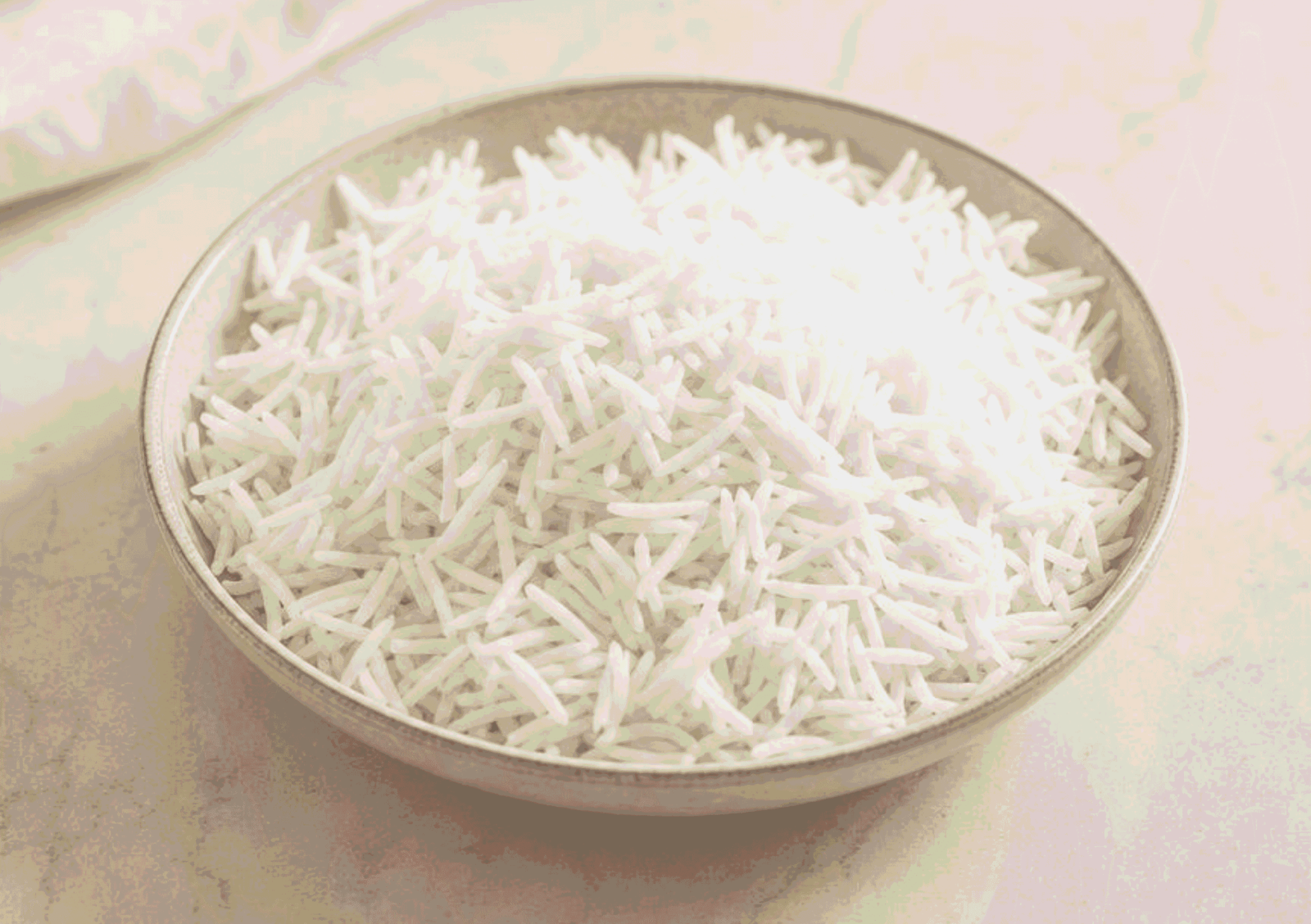
Jasmine rice is the best choice for this version. Its floral aroma works naturally with coconut milk, and the cooked grains remain tender without becoming heavy when they are rinsed, soaked and drained properly.
Ordinary long grain white rice can be used, but it may need a little more water and the texture will be less aromatic. Basmati has a firmer, drier character and is better reserved for recipes where its separate grains and distinctive fragrance are part of the dish. Brown rice, risotto rice and paella rice need different liquid ratios and cooking times, so they are not suitable direct substitutes here.
How Do You Keep Coconut Rice Fluffy?
Rinse the rice several times to remove loose surface starch, then soak it so the grains begin absorbing water before they meet the richer coconut mixture. Drain it thoroughly because unmeasured soaking water can make the finished rice too soft.
Once the hot coconut liquid has been added, stir only enough to distribute the rice. Keep the dish covered throughout baking and resting. The final rest allows steam to settle through the grains, after which the rice can be loosened gently without crushing it.
Which Coconut Milk Should You Use?
Use unsweetened full fat coconut milk from a tin or carton intended for cooking. Check the label because products with a higher coconut content usually give a fuller flavour and creamier aroma.
Coconut cream is too concentrated for a direct swap and can make the rice greasy. Light coconut milk will work, but the coconut flavour will be milder. Shake or stir the coconut milk before measuring so the thicker cream and thinner liquid are evenly combined.
How to Make Coconut Rice
Use a 2-litre ovenproof casserole with a close fitting lid or a 20cm square baking dish that can be sealed firmly with foil. Rinse and soak the rice before heating the coconut mixture, then keep the dish covered until the resting time is complete. See the recipe card at the bottom for exact quantities and printable directions
Ingredients
- Jasmine rice
- Full fat coconut milk
- Water
- Fine salt
- Caster sugar, optional
- Pandan leaves or makrut lime leaves, optional
- Toasted desiccated coconut, optional
Cooking Instructions
Step 1: Rinse the rice. Put the jasmine rice in a bowl, cover it with cool water and move the grains gently with your fingers. Drain and repeat four or five times, until the water is much less cloudy.
Step 2: Soak and drain. Cover the rinsed rice with fresh cool water and leave it to soak for 30 minutes. Drain it in a fine sieve for 5 minutes so excess water does not alter the measured cooking liquid. Meanwhile, preheat the oven to 190°C conventional, 170°C fan or gas mark 5.
Step 3: Heat the coconut mixture. Put the coconut milk, water, salt and optional sugar in a saucepan over a medium heat. Stir until smooth and bring it just to a simmer. Avoid a vigorous boil, which can cause the coconut milk to separate or foam over.
Step 4: Assemble the rice. Spread the drained rice evenly in the baking dish and add the knotted pandan leaves or lightly crushed makrut lime leaves, if using. Pour over the hot coconut mixture and stir once so no mound of rice remains above the liquid. Cover immediately with the lid or seal firmly with foil.
Step 5: Bake until tender. Bake for 40 minutes without lifting the lid or foil. Tilt the dish carefully at the end of the cooking time. There should be no pool of liquid, and the grains should be tender. If liquid remains, cover again and bake for another 5 minutes.
Step 6: Rest the rice. Remove the dish from the oven and leave it covered for 15 minutes. Do not shorten this stage because the trapped steam finishes cooking the grains and helps the surface moisture settle.
Step 7: Fluff and serve. Remove the pandan or lime leaves. Loosen the rice gently with a fork or flexible spatula, lifting from the edges towards the centre. Scatter over toasted coconut, if using, and serve hot.
Should Coconut Rice Taste Sweet?
This version is a savoury side dish. A small amount of sugar is optional and should round out the coconut flavour rather than make the rice taste sugary. Leave it out if the curry or main dish already contains noticeable sweetness.
Sweet coconut sticky rice is a separate preparation made with glutinous rice and considerably more sugar. It should not have the same loose, fluffy texture as this recipe.
Why Has My Coconut Rice Turned Sticky?
The most common causes are insufficient rinsing, excess liquid or stirring after the rice begins to cook. Use jasmine rice, drain it thoroughly after soaking and measure both the coconut milk and water rather than estimating them.
The grains will be tender and lightly creamy from the coconut milk, but they should still separate when fluffed. If the rice seems slightly damp when first uncovered, leave it for 2 to 3 minutes before loosening it so excess surface steam can escape.
Can I Make Coconut Rice in Advance?
The rice can be cooked a few hours before serving. Once it has rested, remove the aromatic leaves, fluff the grains and cool any portion you are not serving promptly. Refrigerate it as soon as it is cool rather than leaving cooked rice at room temperature.
To reheat, sprinkle over a small amount of water, cover and heat until steaming hot throughout. Reheat only the amount you intend to serve.
What to Serve with Coconut Rice
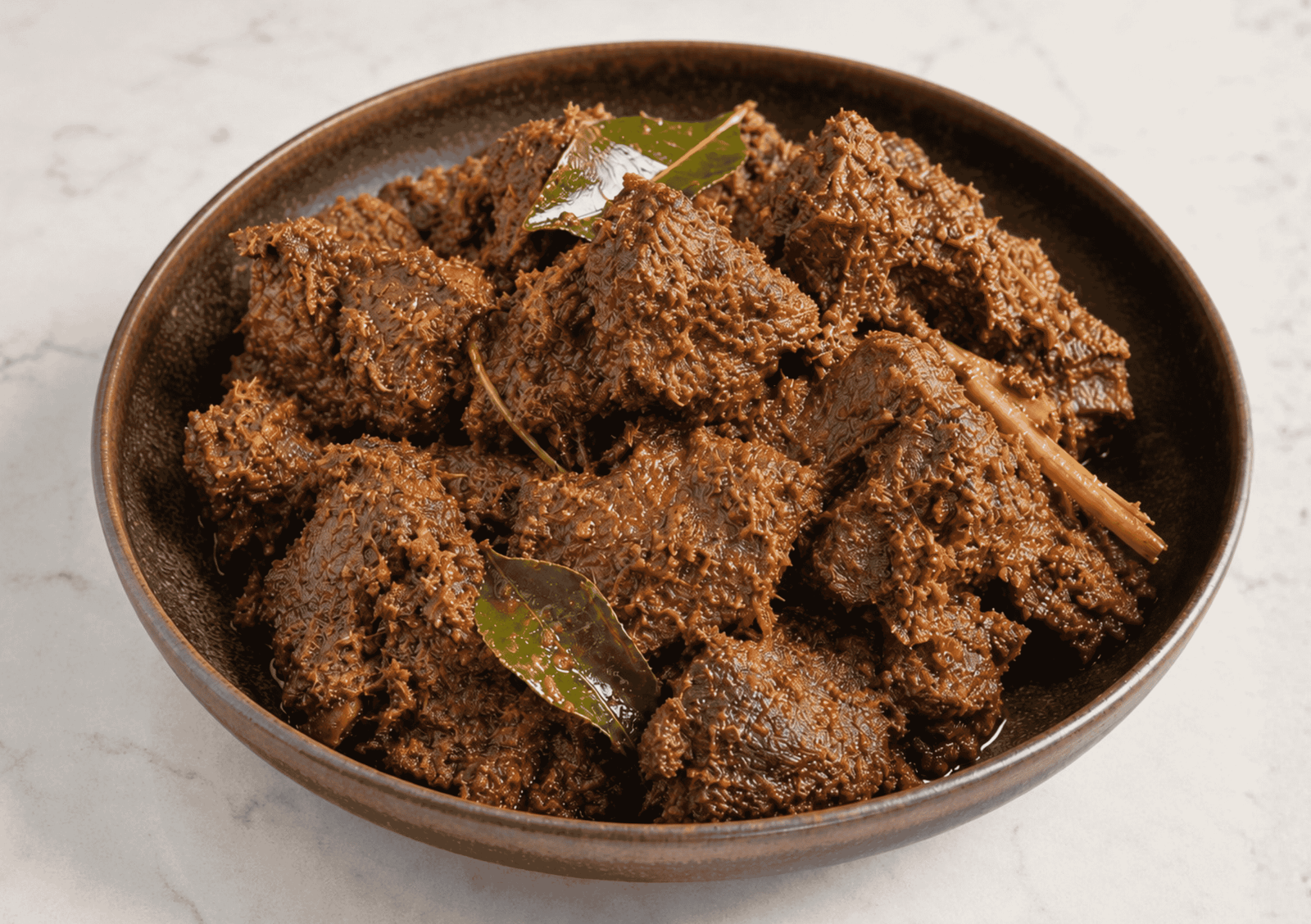
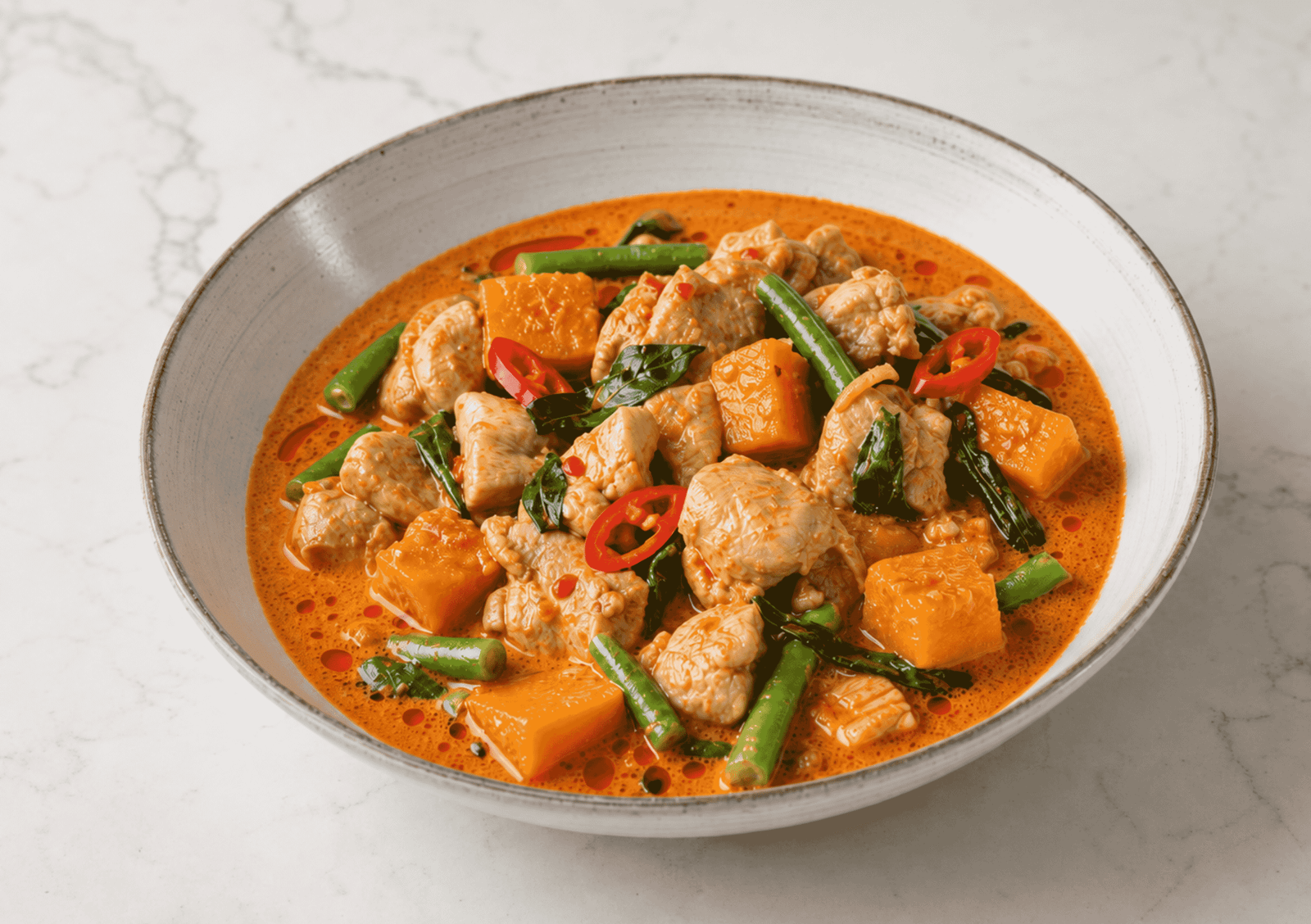
Coconut rice is particularly well suited to dishes with chilli, lime, tamarind or deeply toasted spices. Serve it with Malaysian Beef Rendang, Malaysian Chicken Curry, Thai Green Chicken Curry, Thai Red Chicken Curry or Ikan Bakar.
It also works with grilled chicken, prawns, aubergine curries and fresh cucumber salads. For a balanced plate, add something sharp or crisp so the coconut rich rice does not make the whole meal feel too heavy.
Storage and Reheating
Cool leftover rice quickly and place it in a shallow, covered container in the refrigerator. Use it within 24 hours for the best food safety margin and texture. Do not leave cooked rice sitting in a warm covered dish for several hours.
Reheat the rice once only, until steaming hot throughout. A microwave works well when the rice is covered and moistened with a teaspoon or two of water. This recipe can also be frozen in individual portions for up to one month. Defrost in the refrigerator and reheat thoroughly.

Coconut Rice: Fragrant and Fluffy Jasmine Rice
Ingredients
- 320 g jasmine rice
- 400 ml full fat coconut milk shaken or stirred before measuring
- 150 ml water
- 1 teaspoon fine salt
- 1 teaspoon caster sugar optional
- 2 pandan leaves tied in knots, or 3 makrut lime leaves, lightly crushed, optional
- 1 tablespoon desiccated coconut toasted, to garnish, optional
Instructions
- Put the jasmine rice in a bowl and cover it with cool water. Move the grains gently with your fingers, drain and repeat four or five times, until the water is much less cloudy.
- Cover the rinsed rice with fresh cool water and soak for 30 minutes. Drain in a fine sieve for 5 minutes. Meanwhile, preheat the oven to 190°C conventional, 170°C fan or gas mark 5.
- Combine the coconut milk, 150ml water, salt and optional sugar in a saucepan. Heat over a medium heat, stirring, until the mixture just reaches a simmer. Do not boil it vigorously.
- Spread the drained rice in a 2 litre ovenproof casserole or 20cm square baking dish. Add the pandan or makrut lime leaves, if using. Pour over the hot coconut mixture, stir once to level the rice and cover immediately with a close fitting lid or firmly sealed foil.
- Bake for 40 minutes without uncovering. Carefully tilt the dish to check that the liquid has been absorbed and taste a grain. If liquid remains, cover and bake for another 5 minutes.
- Remove the dish from the oven and rest the rice, still covered, for 15 minutes.
- Remove the aromatic leaves. Fluff the rice gently with a fork or flexible spatula, scatter over the toasted coconut if using and serve hot.
Notes
- Rinsing and soaking are included in the method because coconut milk makes excess surface starch more noticeable.
- If the coconut milk is very thick, whisk it with the measured water before heating.
- Pandan gives a soft, sweet fragrance. Makrut lime leaves give a brighter citrus aroma, so use one or the other rather than both.
- The teaspoon of sugar is optional. It should soften the savoury flavours without turning the rice into a sweet dish.
- Keep the baking dish tightly covered during cooking and resting so the measured steam is not lost.