Homemade Chaat Masala
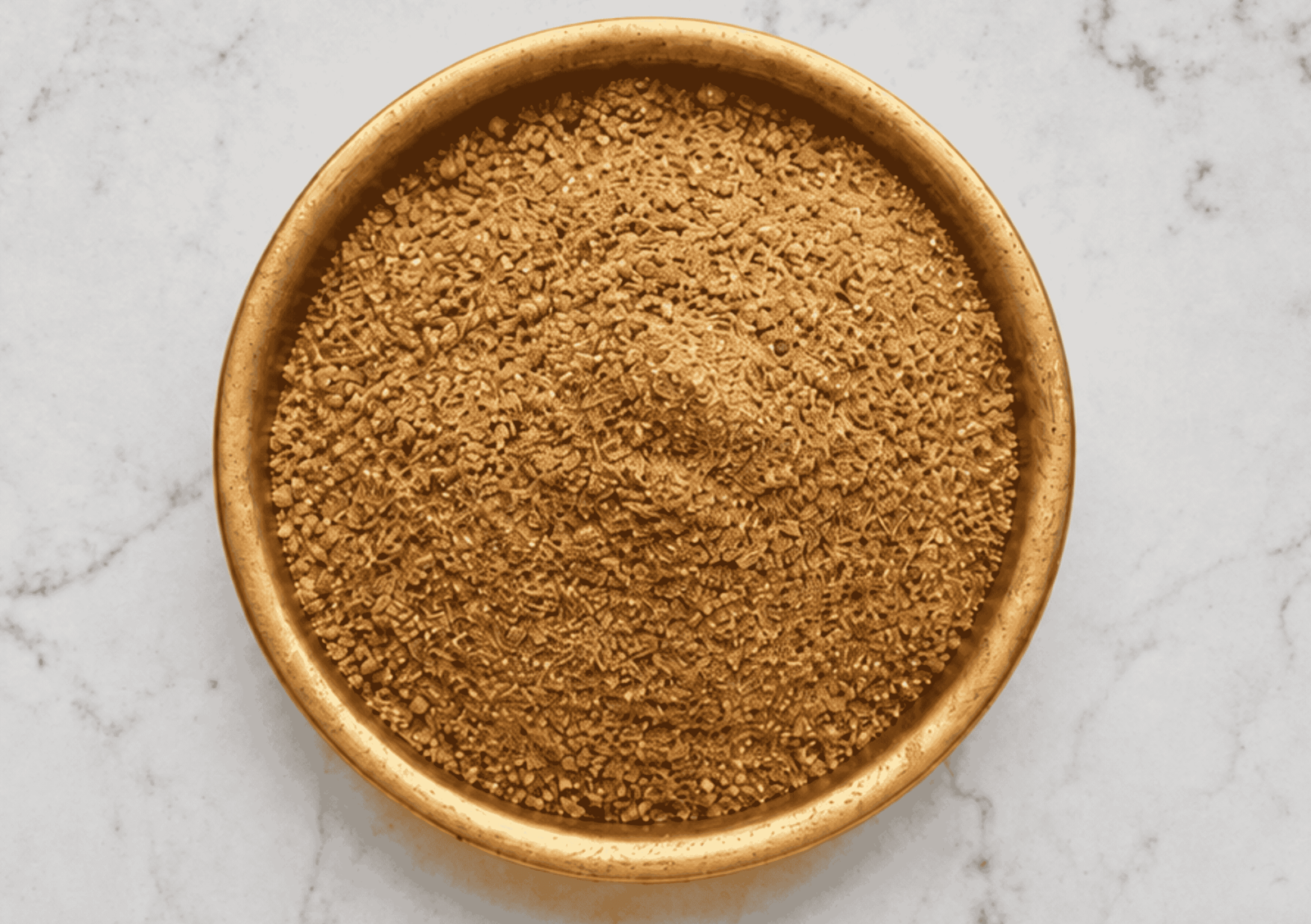
Chaat masala is a tangy, salty and aromatic South Asian spice blend used to finish snacks, fruit, salads, yoghurt dishes and grilled food. Unlike a curry powder that cooks into a sauce, chaat masala is often sprinkled over food at the table, where its sour mango and distinctive mineral notes remain clear.
This homemade version combines toasted cumin, coriander, ajwain and black pepper with amchoor, kala namak, chilli, dried mint and asafoetida. The result is lively without allowing the black salt to overpower every other spice.
A small jar lasts well because most dishes need only a pinch or two. Grind the toasted whole spices finely, let them cool completely and keep the finished blend away from heat, light and steam.
What Is Chaat Masala?
Chaat masala is a powdered seasoning associated with the broad family of South Asian snacks known as chaat. The blend varies between households and commercial brands, but it usually combines sour, salty, warm and lightly hot flavours.
Amchoor provides dry fruit acidity, while kala namak supplies saltiness and a sulphurous aroma. Toasted cumin, coriander, black pepper and ajwain add warmth, earthiness and a slightly herbal edge.
It differs from garam masala because it is designed to taste tangy and salty as well as aromatic. Garam masala usually finishes savoury cooked dishes, whereas chaat masala is frequently shaken directly over ready-to-eat food.
What Does Chaat Masala Taste Like?
The first impression should be sharp and savoury, followed by toasted cumin, pepper and a little chilli warmth. Kala namak adds a faint egg like mineral note that is recognisable but should not dominate the entire blend.
Amchoor gives acidity without adding liquid. This makes chaat masala useful on crisp fried snacks, fresh fruit and salads where lemon juice might soften the texture.
The seasoning is intentionally concentrated. Tasting a spoonful on its own can seem harsh, so judge it by sprinkling a pinch over cucumber, boiled potato or plain yoghurt.
What Is Amchoor Powder?
Amchoor, also written as amchur, is made from unripe mango that has been dried and ground. It has a dry, fruity sourness and is one of the ingredients that makes chaat masala immediately different from an ordinary spice blend.
Look for a pale beige powder with a clean, tart aroma. Old amchoor can lose its brightness and may taste dusty, so buy a modest packet and keep it tightly sealed.
Lemon juice can provide acidity in a finished dish, but it cannot replace amchoor inside a dry stored blend. Citric acid is used in some commercial mixes, although it has a sharper, less fruity flavour and needs to be measured very carefully.
What Is Kala Namak?
Kala namak is a mineral salt commonly called black salt. Despite the name, the ground product is often pinkish grey or mauve rather than black. Its sulphur compounds create an aroma often compared with cooked egg.
That character is valuable in chaat masala, but too much can make the blend smell aggressively sulphurous. This recipe uses 2 teaspoons, supported by a smaller amount of ordinary salt, so the mineral note remains part of the seasoning rather than its only flavour.
Pink Himalayan salt is not the same ingredient. It can supply saltiness but lacks the characteristic aroma, so use it only when you accept that the finished blend will taste less like chaat masala.
What Is Ajwain?
Ajwain is a small seed like fruit also sold as carom. Its aroma is strong, herbal and reminiscent of thyme, with a slight bitterness when used heavily.
Only 2 teaspoons are needed in this batch. Toasting wakes up the aroma, but the seeds can scorch quickly, so add them after the larger cumin and coriander seeds have already begun to warm.
There is no close substitute. A small amount of dried thyme can suggest one part of its aroma, but it does not reproduce ajwain’s pungency and should not be presented as an exact replacement.
How to Make Homemade Chaat Masala
Toast only the whole spices, allow them to cool and then grind them with the powdered ingredients. This protects the bright sourness of the amchoor and prevents the chilli and asafoetida from becoming harsh. A clean, completely dry grinder and storage jar are essential because even a little moisture can make the blend clump. See the recipe card at the bottom for exact quantities and printable directions
Ingredients You Will Need
- Cumin seeds
- Coriander seeds
- Ajwain seeds
- Black peppercorns
- Amchoor powder
- Kala namak
- Fine sea salt
- Kashmiri chilli powder
- Dried mint
- Ground ginger
- Asafoetida powder
Cooking Instructions
Place a dry, heavy based frying pan over low to medium low heat. Add the cumin and coriander seeds and shake the pan regularly until they begin to smell warm and nutty.
Add the ajwain and black peppercorns. Continue toasting briefly, moving the spices frequently, until aromatic. Do not allow them to darken heavily or smoke, as scorched spices will make the finished seasoning bitter.
Tip the toasted spices immediately onto a cool plate. Spread them out and leave them until completely cool to the touch. Grinding warm spices can create condensation in the grinder and shorten the storage life of the blend.
Transfer the cooled whole spices to a clean, dry spice grinder. Grind in short pulses until they form a fine powder.
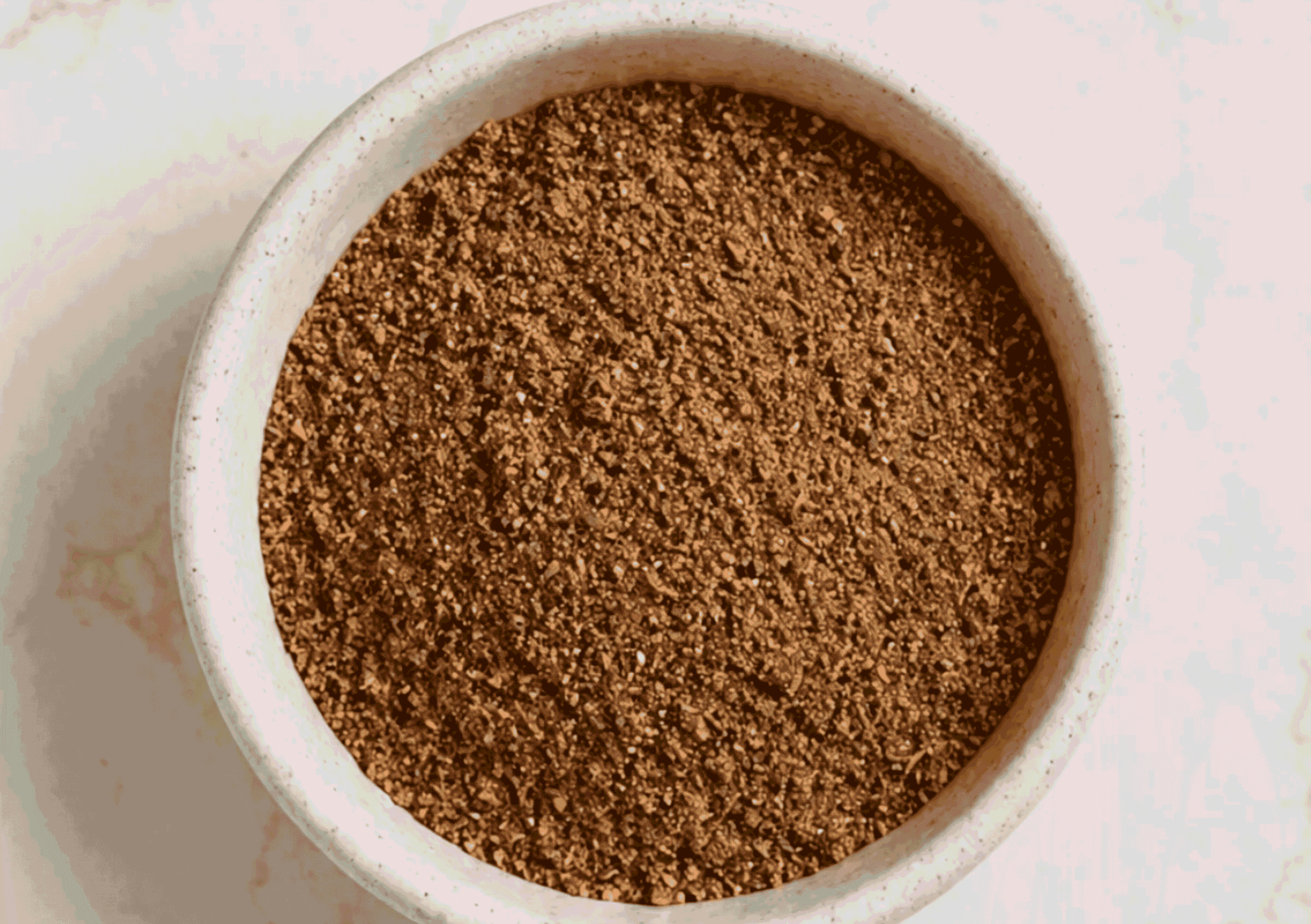
Add the amchoor, kala namak, sea salt, Kashmiri chilli powder, dried mint, ground ginger and asafoetida. Pulse again until the powders are evenly distributed and the mixture is fine.
Leave the lid closed briefly so the spice dust can settle. Test a small pinch on cucumber, boiled potato or plain yoghurt rather than tasting it neat, then adjust the salt, sourness or chilli if required.
Pass the chaat masala through a fine sieve if you want a particularly smooth table seasoning. Return any coarse pieces to the grinder and process them again.
Transfer the finished blend immediately to a clean, dry airtight jar. Label it with the name and date, then store it in a cool, dark cupboard.
Why Toast Only Some of the Spices?
Whole cumin, coriander, ajwain and peppercorns benefit from gentle dry heat. Toasting releases their aromatic oils and removes the raw edge before grinding.
Fine powders heat much faster and are more likely to burn. Amchoor can lose its fresh sourness, chilli becomes bitter, and asafoetida can turn overpowering if they sit directly in a hot dry pan.
Cooling the toasted spices is equally important. Grinding them while warm traps condensation inside the grinder and jar, which encourages clumping and shortens the blend’s useful life.
How Fine Should Chaat Masala Be?
For sprinkling over fruit, yoghurt and snacks, grind the blend to a fine, even powder. Coarse fragments of ajwain or pepper can taste disproportionately strong when they land in one bite.
A small electric spice grinder gives the most consistent result. Work in short pulses to avoid heating the spices, then wait before lifting the lid so the fine powder does not rise into the air.
A pestle and mortar works for a smaller batch, although the fibrous coriander husks may remain coarse. Sieving and returning the larger pieces to the mortar improves the texture.
How Much Chaat Masala Should I Use?
Begin with ¼ teaspoon per individual serving of fruit, salad, chips or yoghurt. Toss or stir, taste, then add more if the dish needs extra salt and acidity.
For a four person bowl of chana chaat, fruit chaat or potato chaat, start with 1 teaspoon. The correct amount depends on how much salt, lemon, tamarind or chutney is already present.
When using chaat masala in a marinade, 1 to 2 teaspoons is usually enough for 500g of meat, fish, paneer or vegetables. Remember that the blend already contains salt.
When Should Chaat Masala Be Added?
Its brightest flavour comes from adding it near the end of cooking or immediately before serving. Long simmering softens the amchoor and mint while dispersing the distinctive kala namak aroma.
Sprinkle it over fried or roasted food while the surface is still hot enough for the powder to adhere. For fruit and chopped salads, add it shortly before serving because salt draws out moisture.
In marinades, the blend can go in at the beginning because it has time to season the surface. Reduce any additional salt and taste the cooked food before applying another finishing sprinkle.
What Can I Make with Chaat Masala?
Use it on samosa chaat, aloo chaat, papdi chaat, bhel puri, dahi puri and chickpea chaat. It also works with boiled potatoes, roasted sweet potato, cucumber, tomato, onion and fresh fruit.
A pinch brings contrast to yoghurt, raita, chaas and salted lassi. It can also finish grilled corn, chips, pakoras, paneer, chicken tikka, fish tikka and kebabs.
For a quick snack, dust it over sliced apple, mango, orange or watermelon. Add gradually because the same quantity tastes stronger on delicate fruit than on potatoes or chickpeas.
Why Does My Chaat Masala Taste Too Sulphurous?
Kala namak is the likely cause. Its aroma becomes much stronger when the blend is tasted neat, so first test a small amount on food before changing the recipe.
If it still dominates, dilute the batch with additional amchoor, toasted ground cumin and coriander in the same general balance. Do not try to cover it with more chilli, which adds heat without correcting the sulphurous proportion.
Different brands of kala namak vary in intensity. When using an unfamiliar packet, add half the measured amount first, taste the completed blend on food and add the rest gradually.
Why Is My Chaat Masala Bitter?
Burnt whole spices are a common reason. Toast over modest heat and remove them as soon as they smell fragrant. Blackened cumin, ajwain or coriander cannot be repaired by adding sour powder.
Too much asafoetida or ajwain can also create bitterness. Both are strong ingredients, so level the measuring spoon and avoid increasing them until you have judged the rested blend.
If the bitterness is mild, extra amchoor and ground cumin may rebalance it. A strongly scorched batch is better discarded because the burnt flavour will carry into every dish.
Why Has the Blend Clumped?
Moisture causes powdered spices and salt to form lumps. The toasted ingredients may have been packed while warm, or steam may have entered the jar when it was held above cooking food.
Small dry clumps can be broken up with a clean spoon or pulsed briefly in the grinder. If the powder smells musty, shows moisture inside the jar or has changed unexpectedly, discard it.
Always spoon chaat masala out of the jar rather than shaking it directly over a steaming pan. Close the lid immediately after measuring.
Variations and Substitutions
- Milder chilli: Omit the Kashmiri chilli powder. Black pepper and ajwain will still provide gentle pungency.
- More sour: Add up to 1 extra tablespoon amchoor after tasting the blend on food.
- Less sulphurous: Begin with 1 teaspoon kala namak and replace the omitted teaspoon with fine sea salt.
- No kala namak: Use fine sea salt, understanding that the blend will lack one of chaat masala’s defining aromas.
- Citric acid: This is much sharper than amchoor. It should only replace a small part of the mango powder and must be weighed precisely, so amchoor is the safer home option.
- Sumac: Sumac is fruity and sour but has a different character and colour. It can make an enjoyable seasoning, but not a direct replacement for classic chaat masala.
- No dried mint: Omit it rather than using fresh mint, which would introduce moisture and reduce storage life.
- Extra ginger: Increase the ground ginger to 1 teaspoon for a warmer finish.
Tips for a Balanced Spice Blend
Measure level spoons, particularly for kala namak, asafoetida and ajwain. Small changes to these forceful ingredients have a larger effect than an extra pinch of coriander.
Use a clean grinder reserved for spices if possible. Coffee oils and old spice residue can alter the aroma of a delicate finishing blend.
After grinding, let the chaat masala rest in its closed jar for several hours before making final adjustments. The freshly ground pepper and cumin smell especially strong at first and settle as the blend stands.
Write the date on the jar. Chaat masala does not suddenly become unsafe after a few weeks, but its citrus, mint and toasted notes gradually weaken.
How to Store Homemade Chaat Masala
Keep the blend in a small airtight glass jar in a cool, dark cupboard. Heat, sunlight, air and moisture all speed up the loss of aroma.
For the clearest flavour, use it within two months. It will often remain usable for longer when kept dry, but a freshly made blend has a noticeably brighter amchoor and cumin character.
There is no need to refrigerate or freeze chaat masala. Cold storage can expose the powder to condensation each time the container is opened.
Use a dry spoon and close the jar promptly. If the blend develops moisture, mould, an unusual stale smell or signs of pantry pests, discard it.

Homemade Chaat Masala
Ingredients
- 2 tablespoons cumin seeds about 16g
- 1 tablespoon coriander seeds about 6g
- 2 teaspoons ajwain seeds about 5g
- 2 teaspoons black peppercorns about 5g
- 3 tablespoons amchoor powder about 24g
- 2 teaspoons finely ground kala namak about 10g
- 1 teaspoon fine sea salt about 6g
- 1 teaspoon Kashmiri chilli powder about 2g
- 1 teaspoon dried mint about 1g
- ½ teaspoon ground ginger
- ¼ teaspoon asafoetida powder
Instructions
- Toast the cumin and coriander seeds in a dry heavy based pan over low to medium low heat for 2 minutes, shaking regularly.
- Add the ajwain and peppercorns. Toast for another 1 to 2 minutes, until aromatic but not dark or smoking.
- Transfer the spices to a cool plate and leave for 10 minutes until completely cool.
- Grind the toasted spices finely, then add the amchoor, kala namak, sea salt, chilli powder, mint, ginger and asafoetida.
- Pulse until evenly combined. Let the powder settle before opening the grinder, then taste a pinch on cucumber or boiled potato.
- Sieve if desired and regrind any coarse pieces. Transfer to a clean, dry airtight jar and store in a cool, dark cupboard.