Malaysian Beef Rendang
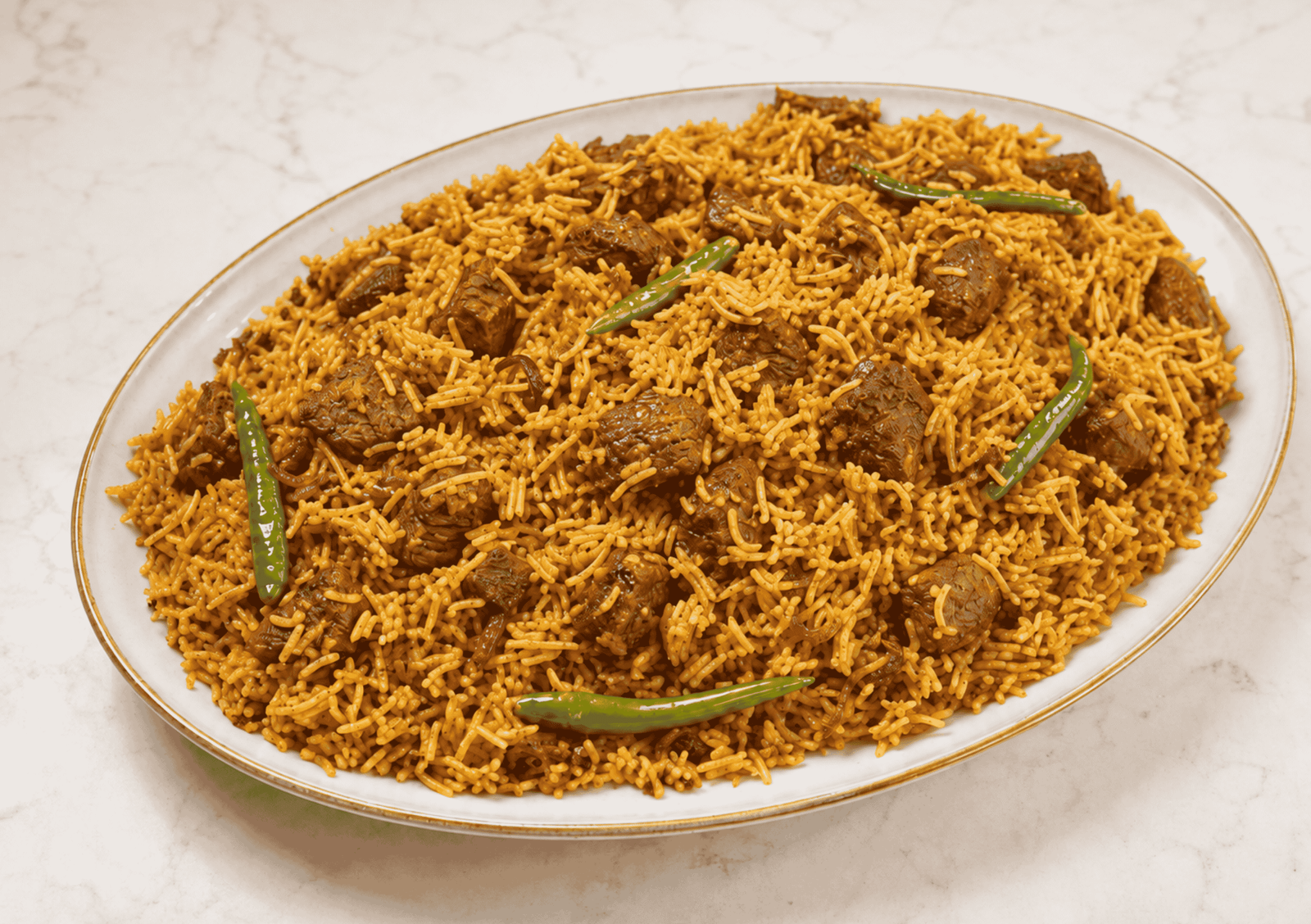
Malaysian beef rendang is a slow cooked dish of tender beef coated in a dark, concentrated mixture of coconut milk, toasted coconut, dried chillies and fresh aromatics. The cooking begins with plenty of liquid, but the sauce is gradually reduced until it clings closely to the meat and releases fragrant coconut oil around the edges of the pan.
This version serves four and uses beef chuck, a homemade spice paste and kerisik, which is coconut toasted until deeply golden and then ground. The process takes time, but most of it is gentle simmering. The final reduction needs closer attention because the sauce thickens rapidly once the water has evaporated.
What Is Beef Rendang?
Rendang originated in the Minangkabau culinary tradition of West Sumatra and has become firmly established across Indonesia, Malaysia and neighbouring parts of Southeast Asia. In Malaysia, rendang daging is commonly prepared for celebrations, gatherings and festive meals, although it is equally suitable for an unhurried meal at home.
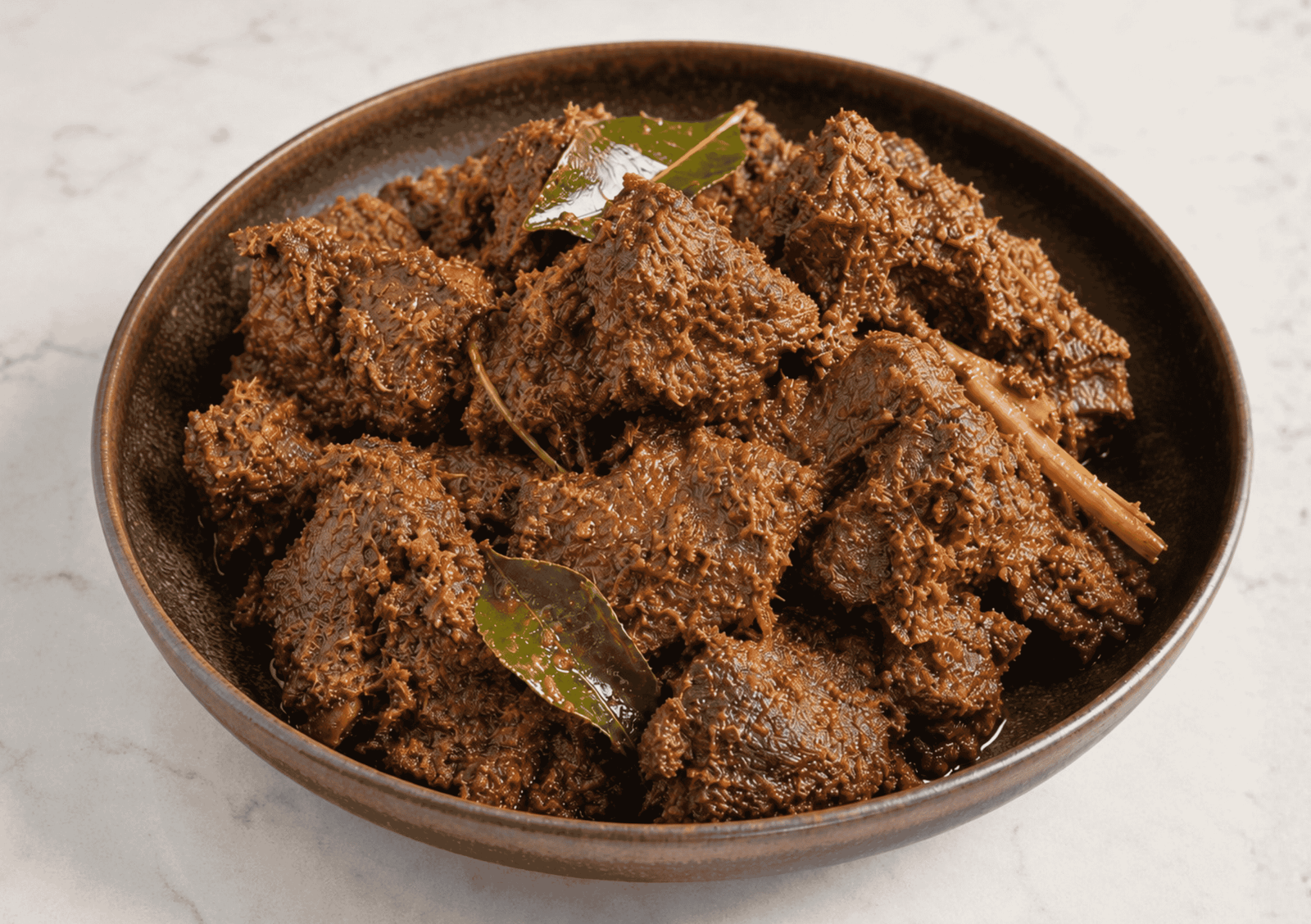
The dish is often grouped with curries, but its cooking method is distinct. Beef, coconut milk and aromatics are simmered until the liquid reduces, the coconut fat separates and the seasoning mixture darkens around the meat. A finished rendang should not contain a pool of gravy.
Recipes vary between regions and households. Malaysian versions often include kerisik and may use aromatic whole spices including cinnamon, cardamom, cloves and star anise. This recipe follows that Malaysian style approach.
What Are the Three Stages of Rendang?
Rendang changes significantly as it cooks. Recognising these stages is more useful than relying on the clock alone.
The first stage is wet and pale, with the beef simmering in coconut milk and spices. This is sometimes described as the gulai stage.
As water evaporates, the sauce becomes thicker and more golden, and coconut oil begins to appear. This middle stage is known as kalio. The beef may already be tender at this point, but the dish is still too wet to be a fully reduced rendang.
During the final stage, the sauce darkens and becomes almost dry. The cook must stir more frequently as the concentrated coconut, sugars and spice paste begin to fry gently in their own oil. The finished beef should be tender and thoroughly coated with the dark seasoning mixture.
Which Cut of Beef Is Best for Rendang?
Use a cut with enough connective tissue and fat to remain succulent during a long simmer. Beef chuck is a reliable choice because it becomes tender without disintegrating too quickly. Boneless short rib or well marbled stewing beef can also be used.
Cut the beef into pieces measuring about 4cm. Pieces that are too small may break apart during the final reduction, while very large pieces take longer to become tender.
Lean quick cooking steak is not suitable. It lacks the collagen needed for slow cooking and can become dry before the sauce reaches the correct consistency.
What Is Kerisik?
Kerisik is grated coconut toasted until deeply golden and then pounded or ground. Toasting removes moisture and develops a nutty, slightly bittersweet aroma. Grinding breaks down the coconut and releases some of its natural oil.
Kerisik thickens the reduced sauce and helps it adhere to the beef. It is particularly important in many Malaysian rendang recipes and should not be replaced with ground almonds or ordinary coconut flour.
Unsweetened desiccated coconut is a practical choice. Toast it over medium low heat and stir continuously, especially once it begins to colour. Remove it from the hot pan immediately so the residual heat does not burn it.
How to Make Malaysian Beef Rendang
Use a wide, heavy based casserole or sauté pan. A wide surface helps the coconut sauce evaporate steadily, while the heavy base reduces the risk of scorching during the final stage. Prepare the kerisik and spice paste before cooking the beef so everything is ready when needed. See the recipe card at the bottom for exact quantities and printable directions
Ingredients
For the kerisik:
- Unsweetened desiccated coconut
For the spice paste:
- Dried long red chillies
- Shallots
- Garlic
- Fresh ginger
- Fresh galangal
- Lemongrass
- Water
For the rendang:
- Beef chuck
- Neutral cooking oil
- Cinnamon stick
- Star anise
- Green cardamom pods
- Cloves
- Lemongrass
- Full fat coconut milk
- Water
- Tamarind paste
- Warm water
- Makrut lime leaves
- Kerisik
- Palm sugar or dark brown sugar
- Fine salt
Cooking Instructions
Step 1: Prepare the chillies and kerisik. Cover the dried chillies with freshly boiled water and leave them to soften while preparing the other ingredients. Toast the desiccated coconut in a dry frying pan over medium low heat for 7 to 10 minutes, stirring constantly, until evenly deep golden. Transfer it to a plate, cool briefly, then grind or pound it until fine and slightly oily. Set the prepared kerisik aside.
Step 2: Blend the spice paste. Drain the softened chillies and discard the soaking water. Put them in a blender with the shallots, garlic, ginger, galangal, sliced white lemongrass and measured blending water. Blend until smooth, stopping to scrape down the sides. Add only a small extra splash of water if the blades cannot move the ingredients.
Step 3: Fry the paste and whole spices. Heat the oil in a wide, heavy based casserole over medium heat. Add the cinnamon, star anise, cardamom and cloves and stir for 30 seconds. Add the blended spice paste and cook for 10 to 12 minutes, stirring frequently, until it has darkened slightly, smells mellow rather than raw and the oil begins to appear around its edges.
Step 4: Coat the beef. Add the beef and bruised lemongrass to the cooked paste. Stir over medium heat for 3 to 4 minutes, turning the pieces until they are thoroughly coated and the outside of the beef has changed colour.
Step 5: Simmer until the beef begins to tenderise. Add the coconut milk and measured water. Mix the tamarind paste with the warm water and pour it into the pan. Add half the salt and bring everything to a gentle simmer. Partially cover and cook over low heat for 70 to 80 minutes, stirring every 15 minutes, until the beef is beginning to become tender. Keep the simmer calm so the meat cooks evenly.
Step 6: Add the kerisik and reduce the sauce. Add the prepared kerisik, palm sugar, sliced makrut lime leaves and the remaining salt. Remove the lid and continue simmering over medium low heat for 30 to 40 minutes. Stir every 5 minutes at first, then more frequently as the sauce thickens. The mixture should pass from creamy and loose to thick, oily and deep brown.
Step 7: Finish the dry stage. Reduce the heat to low once very little loose sauce remains. Stir and turn the beef continuously for 10 to 15 minutes, scraping the base and sides of the pan, until the seasoning mixture is dark, concentrated and clinging to every piece. Remove the bruised lemongrass and whole spices where practical. Taste and adjust the salt, then rest for 10 minutes before serving.
How Dry Should Beef Rendang Be?
Finished rendang should be moist around the meat but should not have a pourable gravy. When a wooden spoon is drawn across the bottom of the pan, the space should remain visible rather than immediately filling with liquid.
The concentrated seasoning mixture should look dark brown and slightly oily. The oil is not a sign that the sauce has failed. It shows that much of the water has evaporated and the coconut milk has reduced sufficiently.
Stop before the spice coating becomes hard or the meat begins to shred. The beef should still hold its shape when lifted from the pan.
Why Is My Rendang Still Watery?
The pan may be too narrow, the heat may be too low or the lid may have remained on for too long. Transfer the rendang to a wider pan if necessary and continue cooking uncovered at a steady simmer.
Avoid increasing the heat sharply. The sauce contains coconut, sugar and a dense spice paste, all of which can catch on the base before the excess water has evaporated. A moderate heat and frequent stirring give a more even reduction.
Doubling the recipe also increases the reduction time substantially. Use a very wide cooking vessel or divide the batch between two pans during the uncovered stage.
How Do I Know When the Beef Is Tender?
Press a piece gently against the side of the pan with a wooden spoon. It should yield easily but should not fall apart without pressure. You should also be able to insert a fork with little resistance.
If the sauce is becoming dry before the beef is tender, add 100ml hot water and continue simmering gently. Allow this additional liquid to evaporate before beginning the final dry stage.
Cooking time varies with the cut, the age of the beef, the size of the pieces and the shape of the pan. Use the texture of the meat and sauce as the final guide.
Can I Make Beef Rendang in Advance?
Yes. Rendang is well suited to advance preparation because the concentrated spices continue to settle into the meat as it rests. Cook it fully, cool it promptly and refrigerate it in a covered container.
When reheating, add one or two tablespoons of water to prevent the thick coating from catching. Warm gently in a covered pan, stirring occasionally, then uncover for the final few minutes if the added water has not evaporated.
Variations and Substitutions
Boneless short rib can replace beef chuck without changing the method. Trim only very thick external pieces of fat because some marbling helps keep the beef moist.
Fresh galangal has a peppery, citrusy character that ginger alone does not reproduce. If it is unavailable, increase the ginger slightly, but expect a less distinctive rendang aroma.
Palm sugar gives a rounded sweetness, while dark brown sugar is the closest simple substitute. Do not make the rendang noticeably sweet. The sugar should balance the chilli and tamarind rather than dominate them.
If using tamarind concentrate, check the label because strengths differ. Begin with a smaller quantity when the product is highly concentrated and adjust after the sauce has reduced.
What to Serve with Beef Rendang
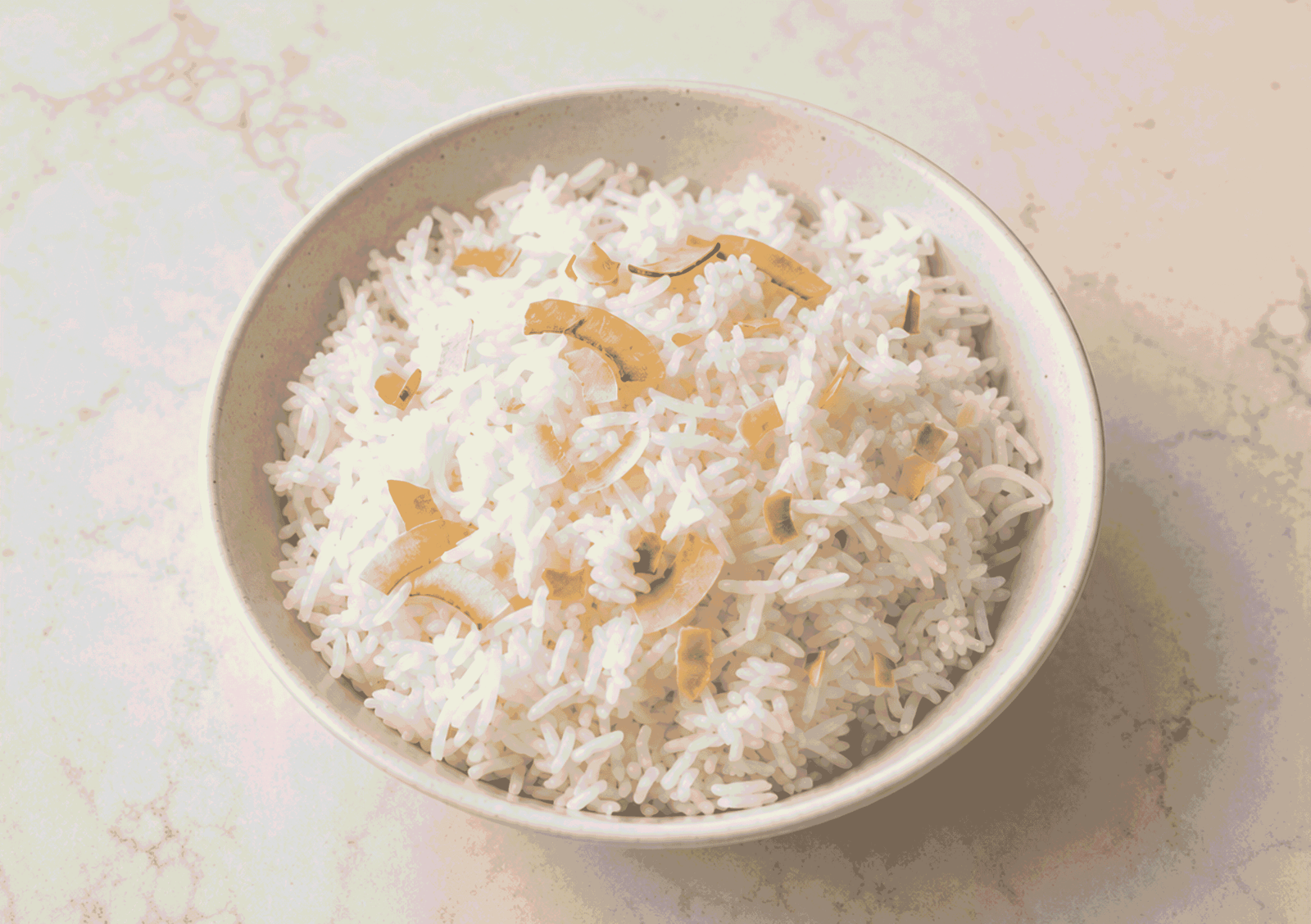
Serve beef rendang with steamed jasmine rice or coconut rice. The rice absorbs the fragrant oil and balances the concentrated seasoning.
Fresh cucumber, lightly dressed vegetables or a simple vegetable stir fry provide contrast to the rich beef. Rendang can also form part of a larger Malaysian meal with sambal, boiled eggs and other coconut based dishes.
How to Store and Reheat Beef Rendang
Cool the rendang promptly, divide it into shallow containers and refrigerate it within two hours. Use refrigerated leftovers within two days. Reheat only the portion you intend to eat.
Warm it in a covered saucepan over low heat with a small splash of water. Stir several times and heat until steaming hot throughout. The thick coconut coating can catch easily, so avoid high heat.
Freeze cooled rendang in labelled portions for up to three months for best quality. Defrost it in the refrigerator before reheating. The sauce may initially appear oily after thawing, but gentle heating and stirring will bring the coating back together.

Malaysian Beef Rendang
Ingredients
For the Kerisik
- 60 g unsweetened desiccated coconut
For the Spice Paste
- 8 dried long red chillies approximately 15g
- 180 g shallots peeled and roughly chopped
- 5 garlic cloves roughly chopped
- 25 g fresh ginger peeled and roughly chopped
- 30 g fresh galangal peeled and thinly sliced
- 3 lemongrass stalks tough outer layers removed and tender white parts thinly sliced
- 60 ml water plus a small extra splash only if required for blending
For the Rendang
- 800 g beef chuck cut into 4cm pieces
- 45 ml neutral cooking oil
- 1 cinnamon stick approximately 5cm
- 2 star anise
- 4 green cardamom pods lightly crushed
- 4 cloves
- 1 lemongrass stalk bruised and tied in a loose knot
- 400 ml full fat coconut milk
- 250 ml water
- 10 g tamarind paste
- 30 ml warm water for diluting the tamarind paste
- 6 makrut lime leaves central stems removed and leaves very finely sliced
- The entire prepared kerisik made from the 60g desiccated coconut above
- 20 g palm sugar or dark brown sugar
- 1½ teaspoons fine salt divided into two ¾-teaspoon portions, plus more if needed
Instructions
- Cover the dried chillies with freshly boiled water and leave them to soften. Toast the desiccated coconut in a dry frying pan over medium low heat for 7 to 10 minutes, stirring constantly, until deep golden. Transfer it to a plate, cool briefly, then grind or pound it until fine and slightly oily. Set aside the entire prepared batch of kerisik.
- Drain the softened chillies and discard the soaking water. Blend them with the shallots, garlic, ginger, galangal, sliced white lemongrass and 60ml water until smooth. Add only a small extra splash of water if necessary to move the blades.
- Heat the oil in a wide, heavy based casserole over medium heat. Add the cinnamon, star anise, cardamom and cloves and stir for 30 seconds. Add the spice paste and cook for 10 to 12 minutes, stirring frequently, until slightly darker, mellow smelling and beginning to release oil around the edges.
- Add the beef and bruised lemongrass. Cook for 3 to 4 minutes, turning the pieces until coated and no longer raw looking on the outside.
- Add the coconut milk and 250ml water. Mix the tamarind paste with 30ml warm water and add it with ¾ teaspoon salt. Bring to a gentle simmer, partially cover and cook over low heat for 70 to 80 minutes. Stir every 15 minutes until the beef is beginning to become tender.
- Add the entire prepared batch of kerisik, the palm sugar, finely sliced makrut lime leaves and the remaining ¾ teaspoon salt. Remove the lid and simmer over medium low heat for 30 to 40 minutes. Stir every 5 minutes at first and increasingly often as the sauce becomes thick, oily and deep brown.
- Reduce the heat to low when very little loose sauce remains. Stir and turn the beef continuously for 10 to 15 minutes, scraping the pan, until the dark seasoning mixture clings to every piece. Remove the bruised lemongrass and whole spices where practical. Taste and add more salt if needed, then rest for 10 minutes before serving.
Notes
- Reduce the number of dried chillies for a milder rendang, but keep enough to give the spice paste body and colour.
- Use a wide pan so moisture can escape during the uncovered cooking stage.
- If the rendang dries before the beef becomes tender, add 100ml hot water and continue simmering.
- The final stage requires almost continuous stirring because the coconut and spice paste can scorch quickly.
- When doubling the recipe, divide it between two wide pans for the uncovered reduction.
- Refrigerate leftovers promptly and use within two days, or freeze for up to three months for best quality.